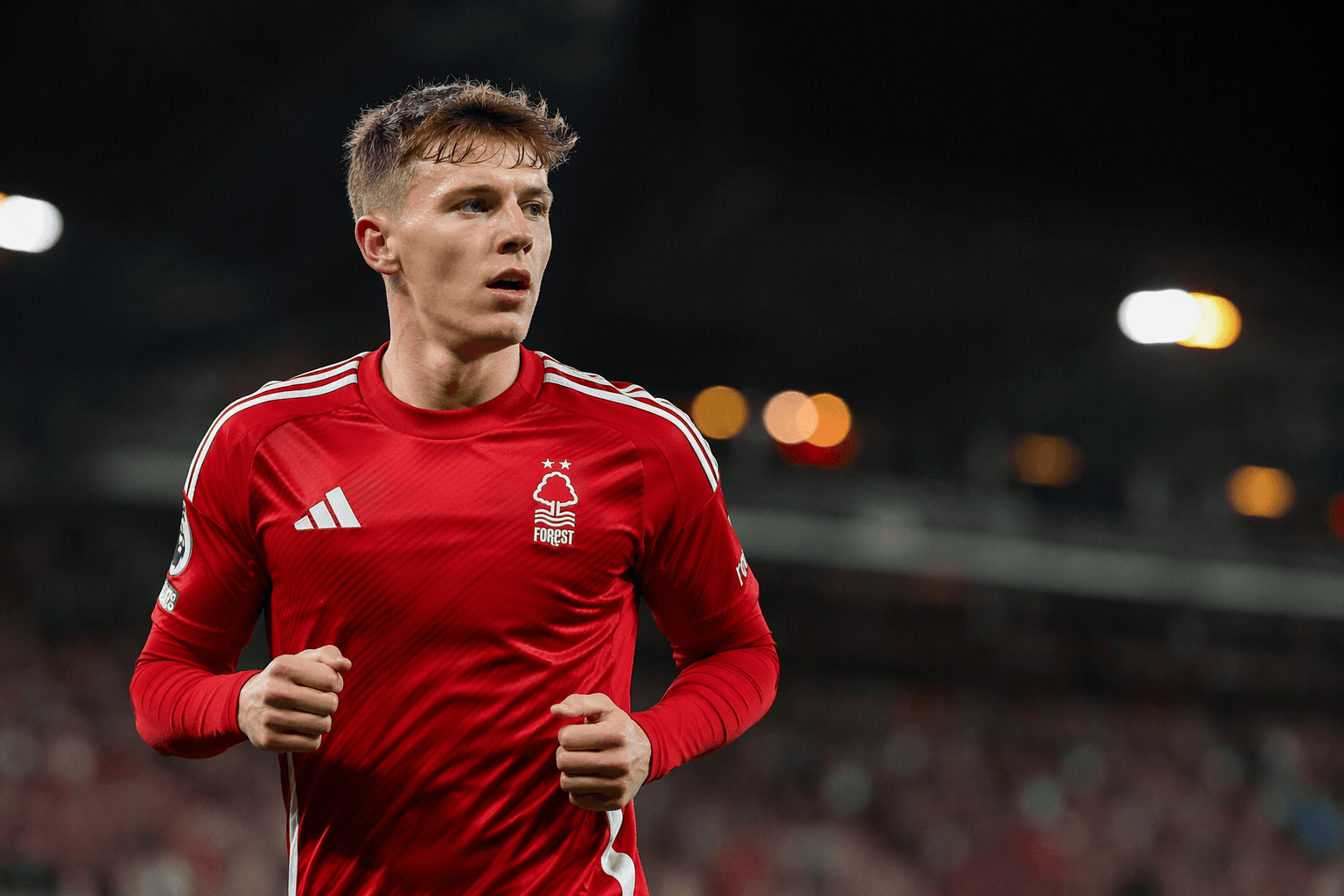
Napoleon Solo wins Preakness after last-minute entry gamble
Paco Lopez pushed Napoleon Solo into the Preakness after the colt’s fifth-place finish in the Wood Memorial. He repaid the gamble with a 1 1/4-length upset.

Paco Lopez saw a Preakness horse where others saw a colt with too many questions. After Napoleon Solo finished fifth in both of his 2026 starts, including the Wood Memorial in April, Lopez urged owner Al Gold and trainer Chad Summers to enter him in the 151st Preakness Stakes, betting that the 3-year-old still had more in him than his recent form suggested.
The decision looked risky for good reason. Napoleon Solo had won his first two career starts in 2025, then followed that early promise with a 6 1/2-length victory in the Champagne Stakes in October. But his two fifth-place finishes this year made Gold hesitant. Gold said he initially did not want to come to Laurel Park because he did not think the horse could go the distance, and the final days before the race were filled with worry over whether Napoleon Solo could handle 1 3/16 miles.
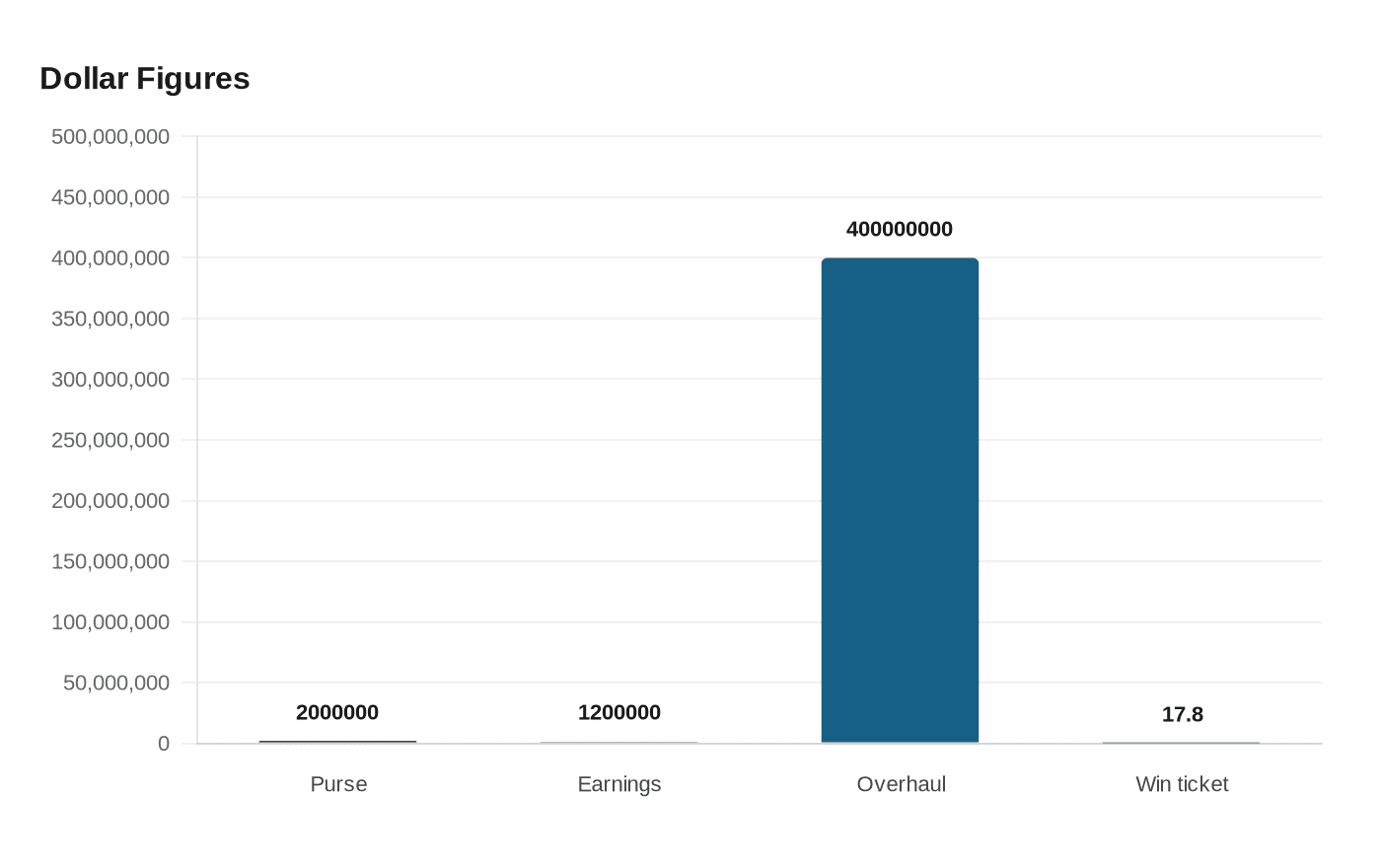
That hesitation gave way to a late entry gamble that changed the race. The Preakness was run at Laurel Park because Pimlico Race Course was undergoing a $400 million overhaul, and the 14-horse field was the largest in 15 years. Kentucky Derby winner Golden Tempo and runner-up Renegade stayed out, leaving the Triple Crown not in play and creating a wide-open second leg. Napoleon Solo was not among the favorites, going off at 7-1, but he delivered the kind of performance that rewards instinct over caution.
Napoleon Solo finished first by 1 1/4 lengths in 1:58.69 and paid $17.80 on a $2 win ticket. The colt earned $1.2 million from the $2 million purse, a payday that matched the scale of the upset. In a race with 13 other horses around him, he hustled to the front and held the field off long enough to turn a last-minute suggestion into a signature victory.
The win was the first Triple Crown race victory for Gold, Summers and Lopez. Afterward, Summers said critics had told them to “just shut up,” a line that fit the confidence behind a move that could easily have been turned down. In elite horse racing, the smallest calls can alter a season, and this one began with a jockey’s insistence that the horse was worth the trip to Laurel Park.
This article was produced by Prism’s automated news system from verified source data, official records, and press releases, then run through automated quality and moderation checks before publishing. The system is built and supervised by the people who set the standards it runs under. Read our full AI policy.
Did this article answer your question?
.jpg&w=1920&q=75)