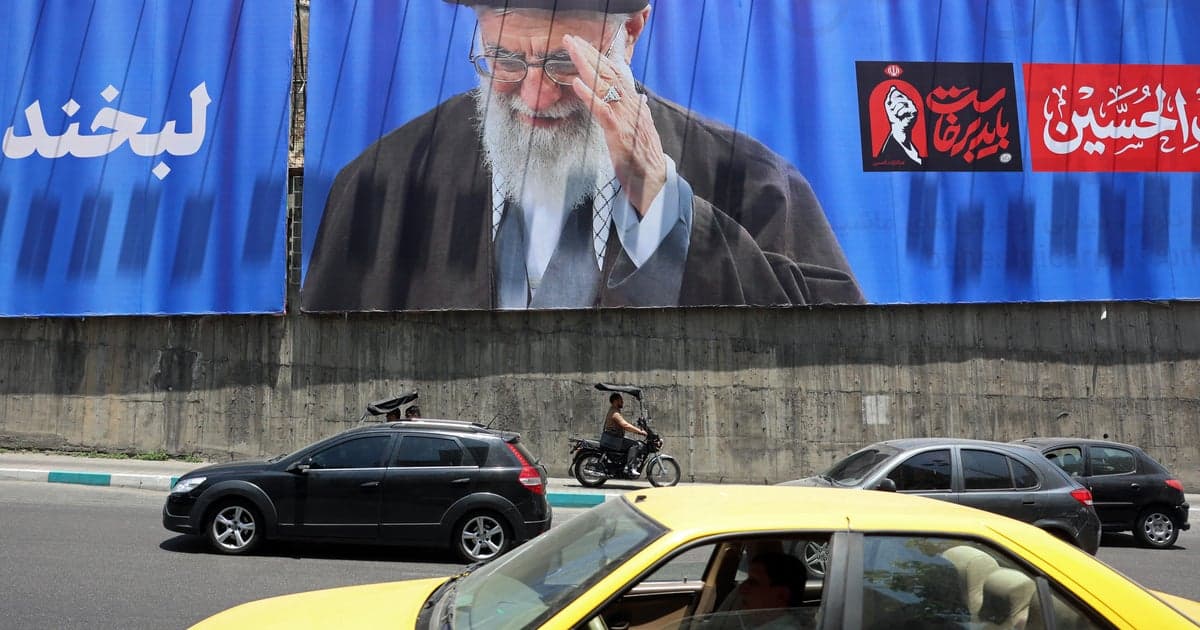
Narges Mohammadi hospitalized after catastrophic health collapse in Iranian prison
Iran rushed Nobel laureate Narges Mohammadi from prison to a hospital after she lost consciousness twice and suffered a severe cardiac crisis.

Narges Mohammadi, the 2023 Nobel Peace Prize laureate who became one of Iran’s most visible dissidents, was rushed from Zanjan Prison to a hospital in Zanjan province after a catastrophic decline in her health. Her family said the 54-year-old lost consciousness twice, suffered a severe cardiac crisis and remained unstable on oxygen after the transfer.
Mohammadi’s supporters said prison doctors concluded her condition could not be managed inside the facility, underscoring how quickly a long-running confrontation between the Iranian state and its best-known female rights campaigner has become a medical emergency. Her family and foundation said she had severe nausea, chest pain and dangerously fluctuating blood pressure before the transfer from the prison in northwestern Iran. Her brother, Hamidreza Mohammadi, said her blood pressure dropped sharply and could not be stabilized.
The case has drawn new international attention because Mohammadi is not an anonymous detainee. She won the Nobel Peace Prize for campaigning for women’s rights and against the death penalty in Iran, and her imprisonment has long made her a symbol of the cost of dissent in the Islamic Republic. Joergen Watne Frydnes, chair of the Norwegian Nobel Committee, said her life was in the hands of the Iranian authorities and urged that she be released to her dedicated medical team in Tehran.
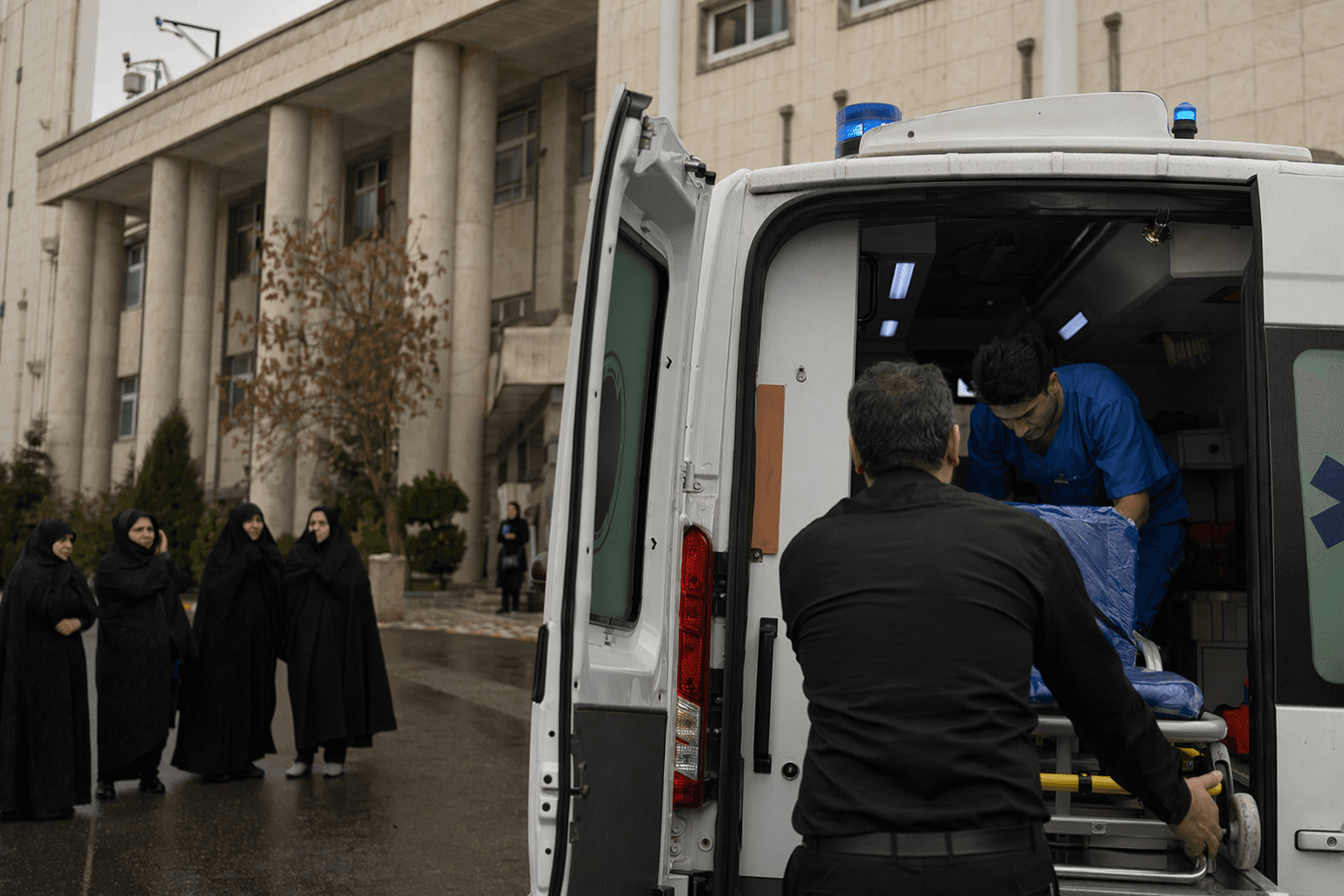
The family and the Narges Mohammadi Foundation said doctors had recommended treatment by her own specialists in Tehran, raising the prospect that the local hospital transfer came too late. Reuters has reported that Mohammadi suffered a suspected heart attack in late March and has undergone three angioplasty procedures, adding to concerns about the strain on her heart.
Her medical crisis comes only months after the foundation said she was sentenced to a new prison term of 7.5 years in February. That sentence followed earlier arrests tied to her criticism of the authorities, extending a punishment that has repeatedly placed one of Iran’s most internationally recognized dissidents back behind bars.

The episode tests whether Nobel recognition offers any real shield inside Iran’s prison system. For Mohammadi, the answer so far has been grim: global prestige has not stopped the prison gates, or the state machinery around them, from closing in on a woman whose health is now as central to the story as her politics.
This article was produced by Prism’s automated news system from verified source data, official records, and press releases, then run through automated quality and moderation checks before publishing. The system is built and supervised by the people who set the standards it runs under. Read our full AI policy.
Did this article answer your question?