NASA and SpaceX complete first ISS medical evacuation with Crew-11 return
NASA and SpaceX expedited Crew-11’s Dragon Endeavour for a medical evacuation, splashing down off San Diego; all four returnees are stable and under observation.
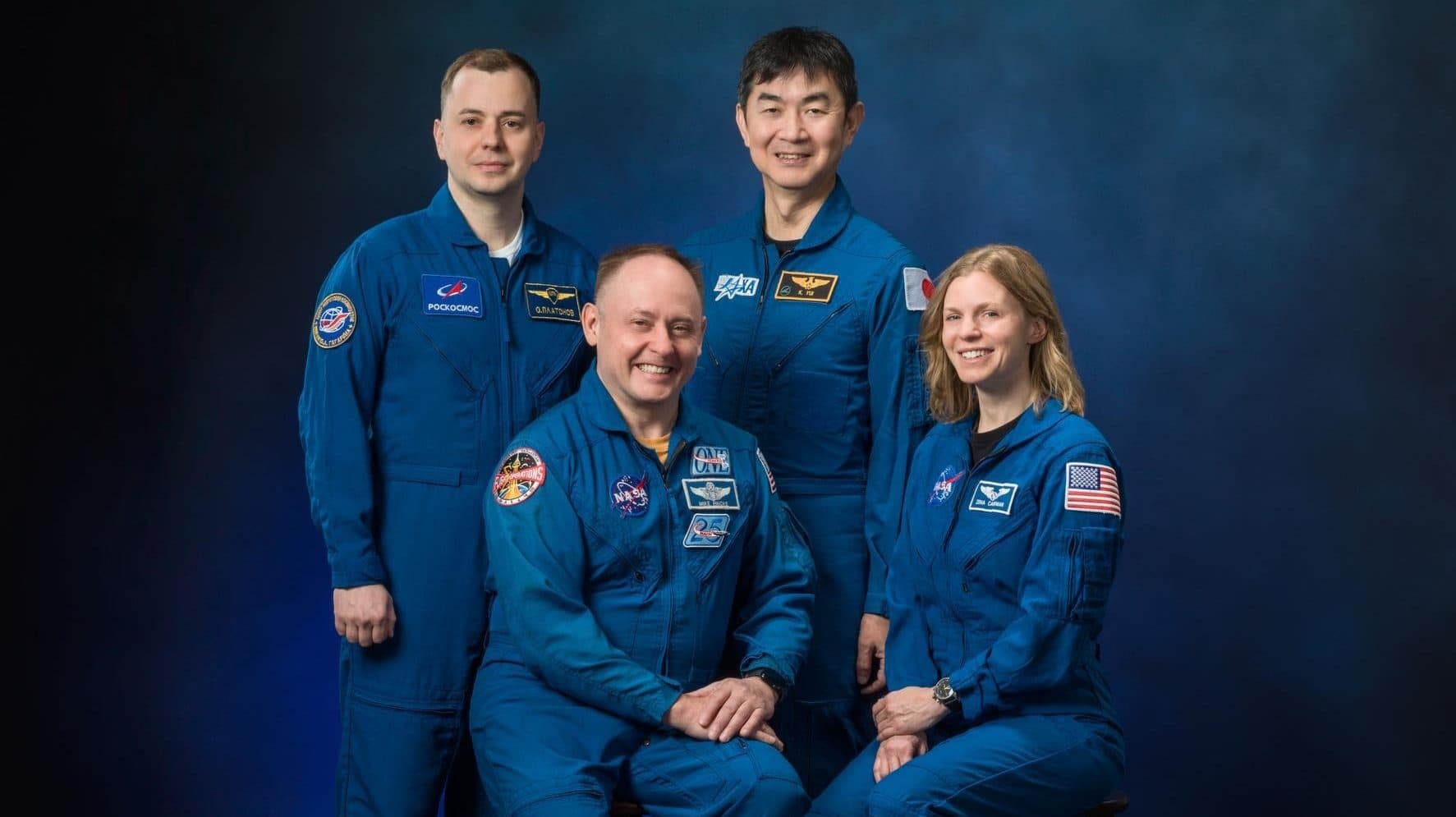
A planned, expedited medical evacuation from the International Space Station concluded successfully early Thursday when SpaceX’s Dragon Endeavour splashed down in the Pacific Ocean off San Diego, returning four Crew-11 astronauts after an early departure ordered last week.
The Dragon autonomously undocked from the station on Jan. 14 and completed a roughly 10-hour reentry and descent before landing under parachutes at 3:41 a.m. Eastern Standard Time on Jan. 15. Mission managers had ordered the early return on Jan. 8 after a medical issue involving one crew member was reported on Jan. 7; officials said the situation required full diagnostic capability on the ground but was not life threatening.
Onboard Endeavour for the return were NASA astronauts Michael Fincke and mission commander Zena Cardman, JAXA astronaut Kimiya Yui, and Russian cosmonaut Oleg Platonov. Remaining aboard the orbital outpost are Russian cosmonauts Sergey Kud-Sverchkov and Sergei Mikaev and NASA astronaut Chris Williams, who will continue station operations with the smaller crew.
Crew-11 had launched from Florida on Aug. 1, 2025 and arrived at the station on Aug. 2. The team had been aboard for about 167 days, roughly five months, and the early departure shortened a planned stay by about one month. The medical concern also prompted the cancellation of a planned Jan. 8 spacewalk that would have had Cardman and Fincke perform exterior upgrades, and a second spacewalk set for later in the week was postponed.
Recovery teams followed standard SpaceX procedures after splashdown, approaching and towing the capsule to a recovery ship, hoisting Endeavour aboard, opening the hatch and assisting the astronauts out. The four returning crew members exited smiling and were placed on stretchers, the normal precaution after long-duration exposure to microgravity. All four were taken to local hospitals overnight for observation and diagnostics. Officials reported that the astronaut whose condition prompted the early return is stable and undergoing routine checks.

Mission controllers radioed, "Welcome home, Crew-11," moments after splashdown, and in a post-landing briefing NASA officials said all four astronauts were "safe and in good spirits." For privacy reasons NASA has not identified the crew member involved or provided medical details.
The recovery and return mark a notable first in the station’s quarter-century of continuous human presence: it is the first time a mission was cut short and a crew returned specifically for medical reasons. Agencies involved emphasized that the decision reflected a conservative approach to crew health, moving the patient to the broader diagnostic and treatment resources available on Earth.
Weather in the Pacific splashdown zones off San Diego was favorable for the earlier-than-planned landing, and public events including a webcast ceremony had been scheduled in the days before departure. Space station operations will proceed with the remaining three crewmembers while mission managers assess schedule impacts and plan for upcoming crew rotations and station maintenance that were affected by the expedited return.
This article was produced by Prism’s automated news system from verified source data, official records, and press releases, then run through automated quality and moderation checks before publishing. The system is built and supervised by the people who set the standards it runs under. Read our full AI policy.
Know something we missed? Have a correction or additional information?
Submit a Tip