NASA awards Firefly $75 million to deliver moon drones
NASA tapped Firefly for four moon drones that will drop toward the south pole, where they could map terrain and resources before astronauts arrive.
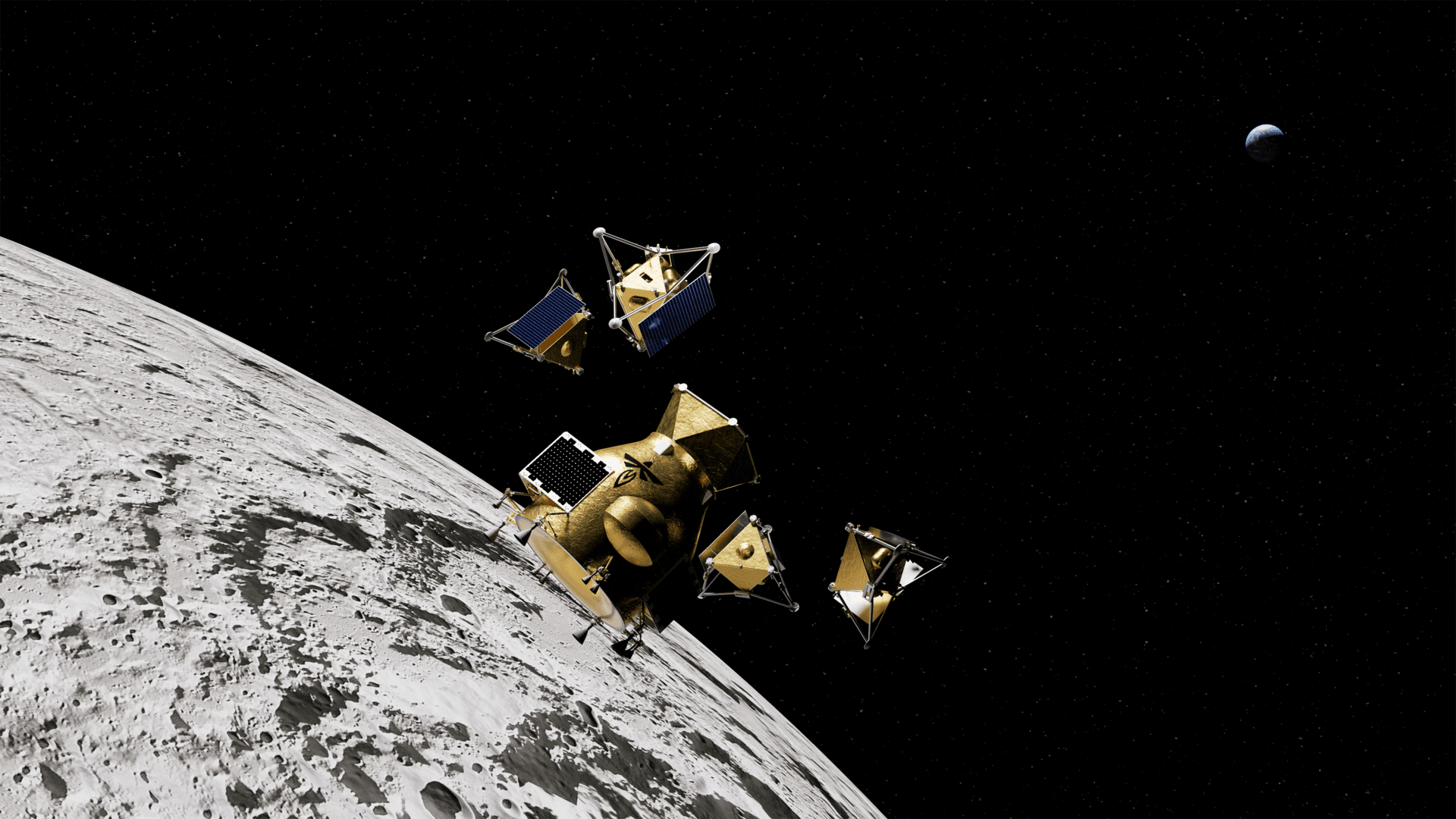
Firefly Aerospace won a $75 million subcontract to send four drones to the Moon’s south pole, a sign that NASA’s next lunar push is being built around scouting hardware as much as landers and rockets. The award, announced May 26, 2026, by the Cedar Park, Texas company, supports NASA’s MoonFall mission, which is targeted to launch no earlier than 2028.
The mission sits inside NASA’s Moon Base initiative, the agency’s phased plan to establish the first sustained presence on the Moon. NASA says that effort begins with robotic systems that can scout, experiment and prepare the surface for astronaut operations, a approach that puts the south pole at the center of the agency’s long-term strategy.
Under the current setup, NASA’s Jet Propulsion Laboratory in Southern California is managing MoonFall and building the drones, while NASA will source the launch vehicle. Firefly said its Elytra spacecraft will carry the drones from Earth orbit to the Moon and release them mid-descent. That makes the spacecraft more than a delivery vehicle. It is part of the mobility layer NASA needs to understand terrain that orbiters cannot resolve closely enough and landers cannot traverse once they touch down.
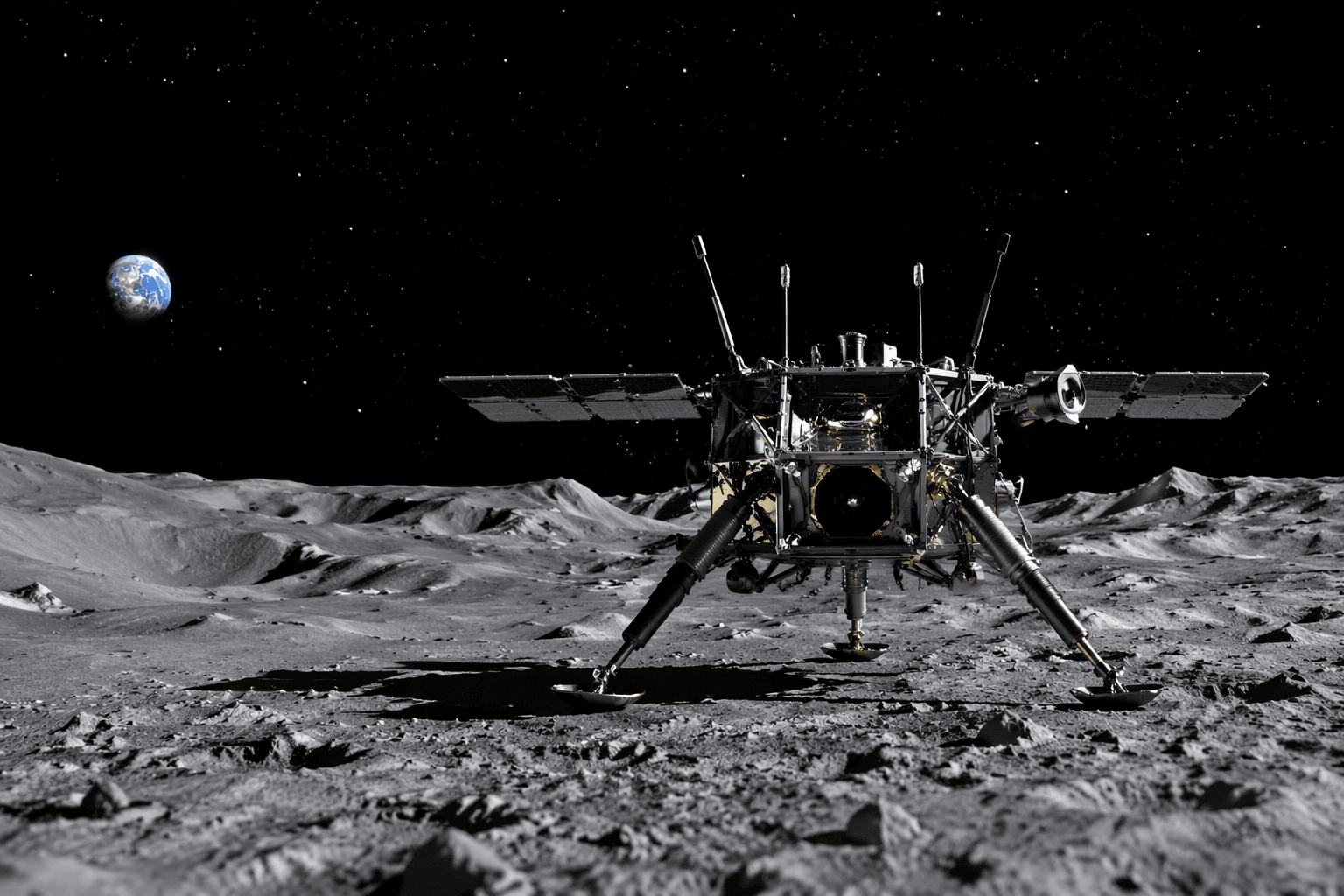
The focus on the lunar south pole reflects the region’s strategic value. NASA and other lunar researchers have identified it as a likely reservoir of water ice, a resource that could eventually support drinking water, oxygen production and rocket fuel for deeper missions. In that sense, the drones are infrastructure for survival, not novelty items. They are meant to help NASA decide where future systems can land, how surface crews can move and what resources can be extracted and used in place.
Firefly has been trying to prove it can deliver on that broader lunar role. Jason Kim, who became chief executive on Oct. 1, 2024, has overseen a stretch that included Blue Ghost Mission 1, Firefly’s first fully successful commercial Moon landing. Blue Ghost launched on Jan. 15, 2025, landed on March 2, 2025 and completed more than 14 days of surface operations.

NASA’s latest lunar commitments suggest the agency is widening that pipeline. In July 2025, NASA awarded Firefly $176.7 million for a separate Commercial Lunar Payload Services mission to deliver two rovers and three scientific instruments to the Moon’s south pole in 2029. Together, those contracts show a deliberate pattern: build the tools, map the terrain, and prepare the South Pole for the kind of sustained operations that a permanent lunar presence will require.
This article was produced by Prism’s automated news system from verified source data, official records, and press releases, then run through automated quality and moderation checks before publishing. The system is built and supervised by the people who set the standards it runs under. Read our full AI policy.
Did this article answer your question?