NASA awards moon base contracts, targets astronauts on the lunar surface in 2028
NASA began buying the first moon-base hardware, sending contracts to five companies as it pivots from Gateway to a South Pole buildout.
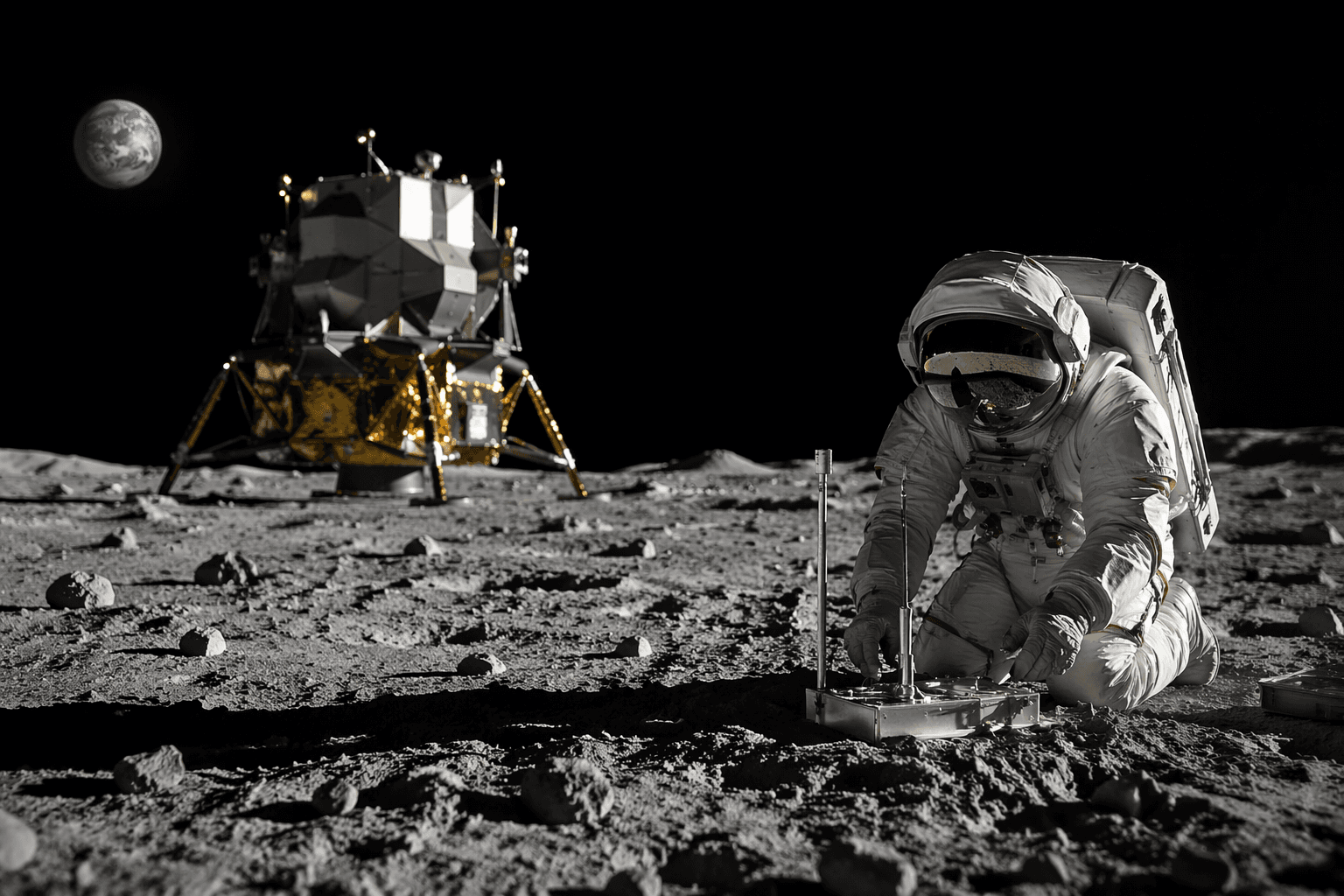
NASA began buying the first hardware for a moon base, awarding hundreds of millions of dollars in fixed-price contracts to Blue Origin, Astrolab, Lunar Outpost, Firefly Aerospace and Astrobotic as it shifts resources away from the planned Gateway station and toward the lunar surface. The agency said the Moon Base effort is meant to enable sustained human presence at the lunar South Pole, a region NASA views as central to future science, commercial activity, and the infrastructure needed for long-term operations.
Administrator Jared Isaacman cast the plan as a deliberate step-up in capability, calling Moon Base "America’s and humanity’s first outpost on another celestial world" while stressing that NASA was not trying to build a "glass dome moon base" in one shot. In Washington, NASA officials laid out a three-phase strategy that leans on commercial companies to design, build and launch the hardware while the government buys the service, a model that began with the Commercial Lunar Payload Services program in 2018.
The first phase starts with Moon Base I, targeted for launch no earlier than fall 2026. Blue Origin’s Blue Moon Mark 1 Endurance lander is slated to carry NASA payloads to the Shackleton Connecting Ridge near the lunar south pole. Moon Base II is planned for later in 2026 on Astrobotic’s Griffin lander and will carry more than 1,100 pounds of cargo, including Astrolab’s FLIP rover. Moon Base III is also targeted for later this year and will fly the first payload selected through NASA’s Payloads and Research Investigations on the Surface of the Moon initiative.
NASA said the early missions are meant to mature mobility systems, reduce risk for future crewed landings and build the first pieces of sustained surface operations. Blue Origin is set to deliver lunar terrain vehicles and other payloads, Astrolab and Lunar Outpost are building the two terrain vehicles, and Firefly Aerospace will deliver NASA’s rocket-powered Moonfall drones. The broader effort is estimated to cost about $20 billion over seven years, with as many as 25 Moon Base and CLPS missions by 2028, at least 21 lunar landings and roughly four metric tons of cargo delivered to the surface.
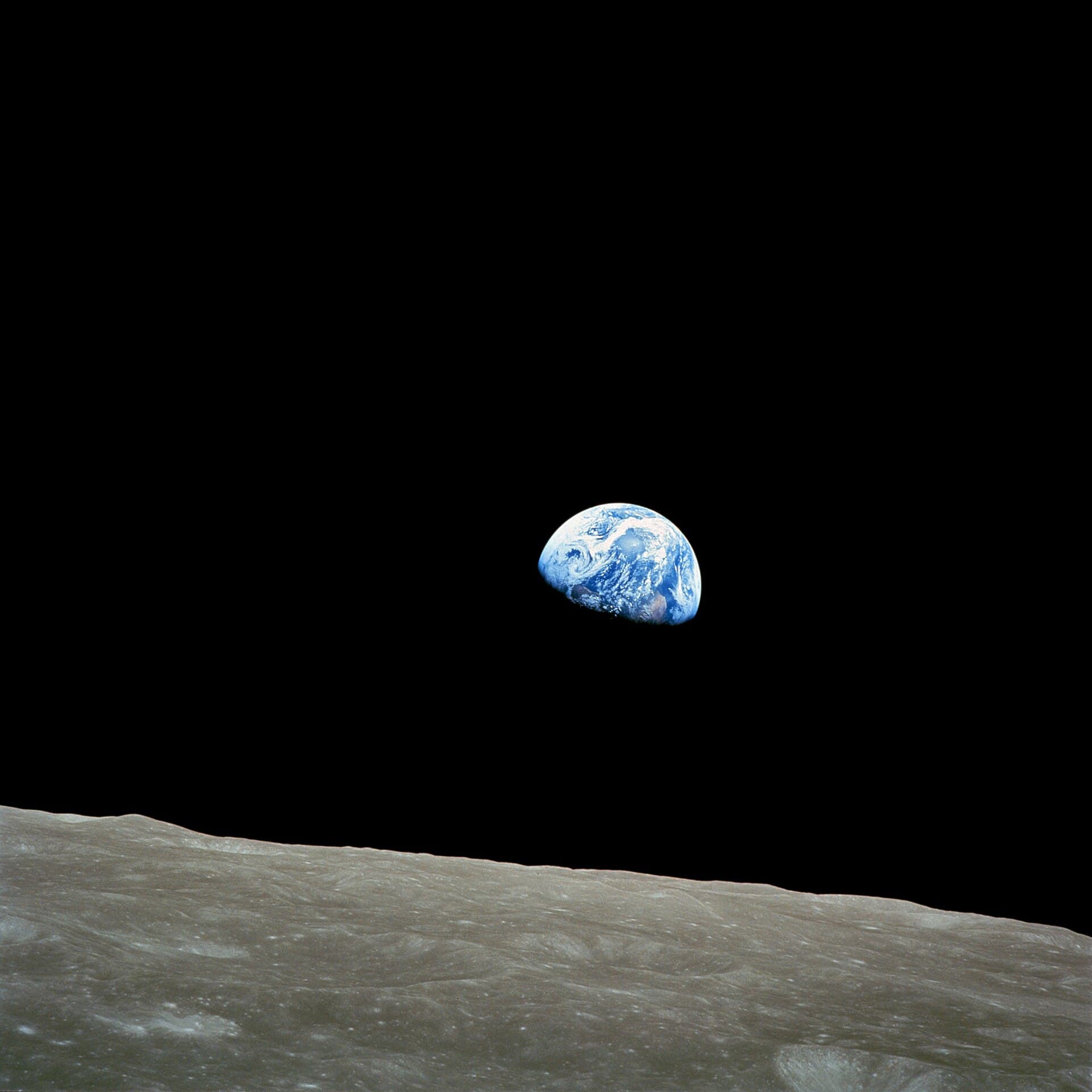
NASA’s current target is to return astronauts to the lunar surface in 2028, the first such landing since 1972. The agency’s new architecture puts the South Pole ahead of the old station-first logic, betting that repeated robotic deliveries and later crewed flights can build a permanent foothold through execution rather than spectacle.
This article was produced by Prism’s automated news system from verified source data, official records, and press releases, then run through automated quality and moderation checks before publishing. The system is built and supervised by the people who set the standards it runs under. Read our full AI policy.
Know something we missed? Have a correction or additional information?
Submit a Tip