NASA names four astronauts for Artemis III Moon mission in 2027
NASA picked Randy Bresnik, Luca Parmitano, Frank Rubio and Andre Douglas for Artemis III, a 2027 test flight meant to prove the systems behind a lunar landing.
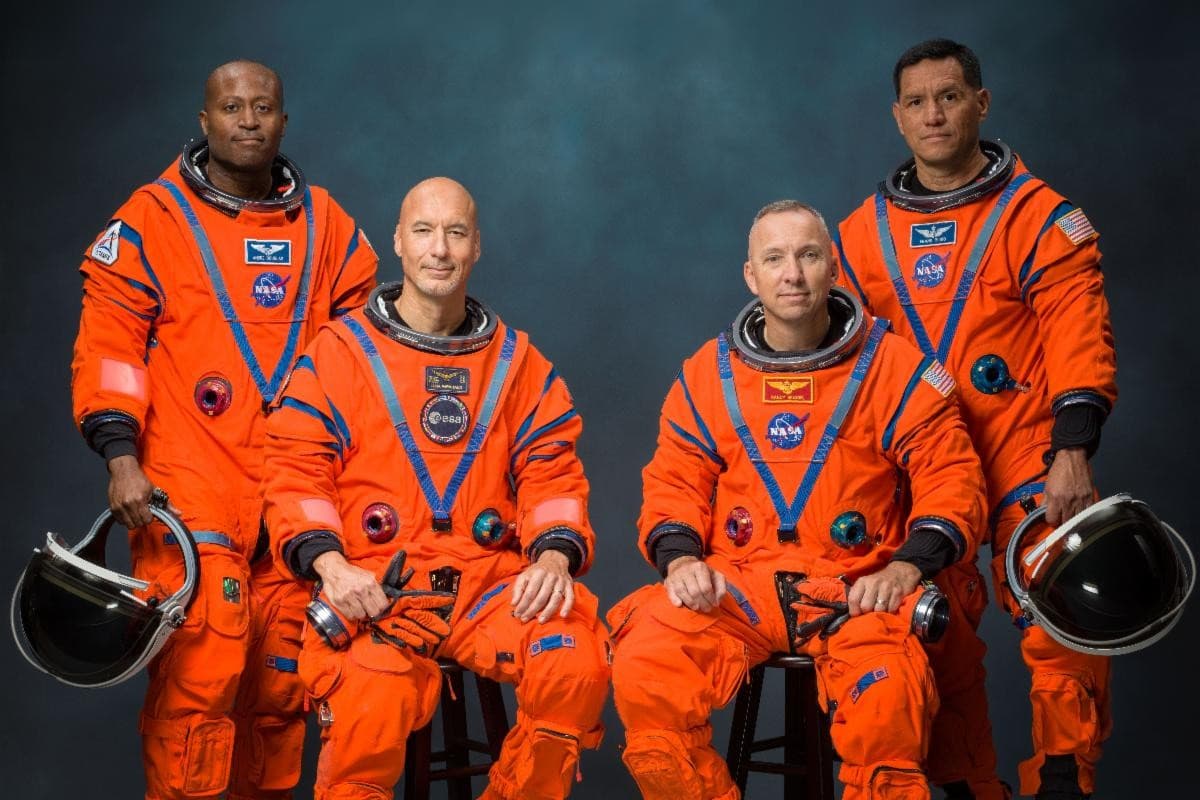
NASA put four veteran astronauts at the center of Artemis III, a mission it is using as a stress test for the next era of human spaceflight. Randy Bresnik will command the crew, Luca Parmitano will pilot, and Frank Rubio and Andre Douglas will serve as mission specialists on a flight NASA says is designed to prove the rendezvous and docking systems needed before a future lunar landing.
The agency introduced the crew at Johnson Space Center in Houston on June 9 and published an official portrait the same day. NASA said Bob Hines was named as the backup crew member. The four astronauts also spoke with CBS News’ Mark Strassmann about the assignment, underscoring how closely NASA is linking the crew announcement to public expectations for the mission.
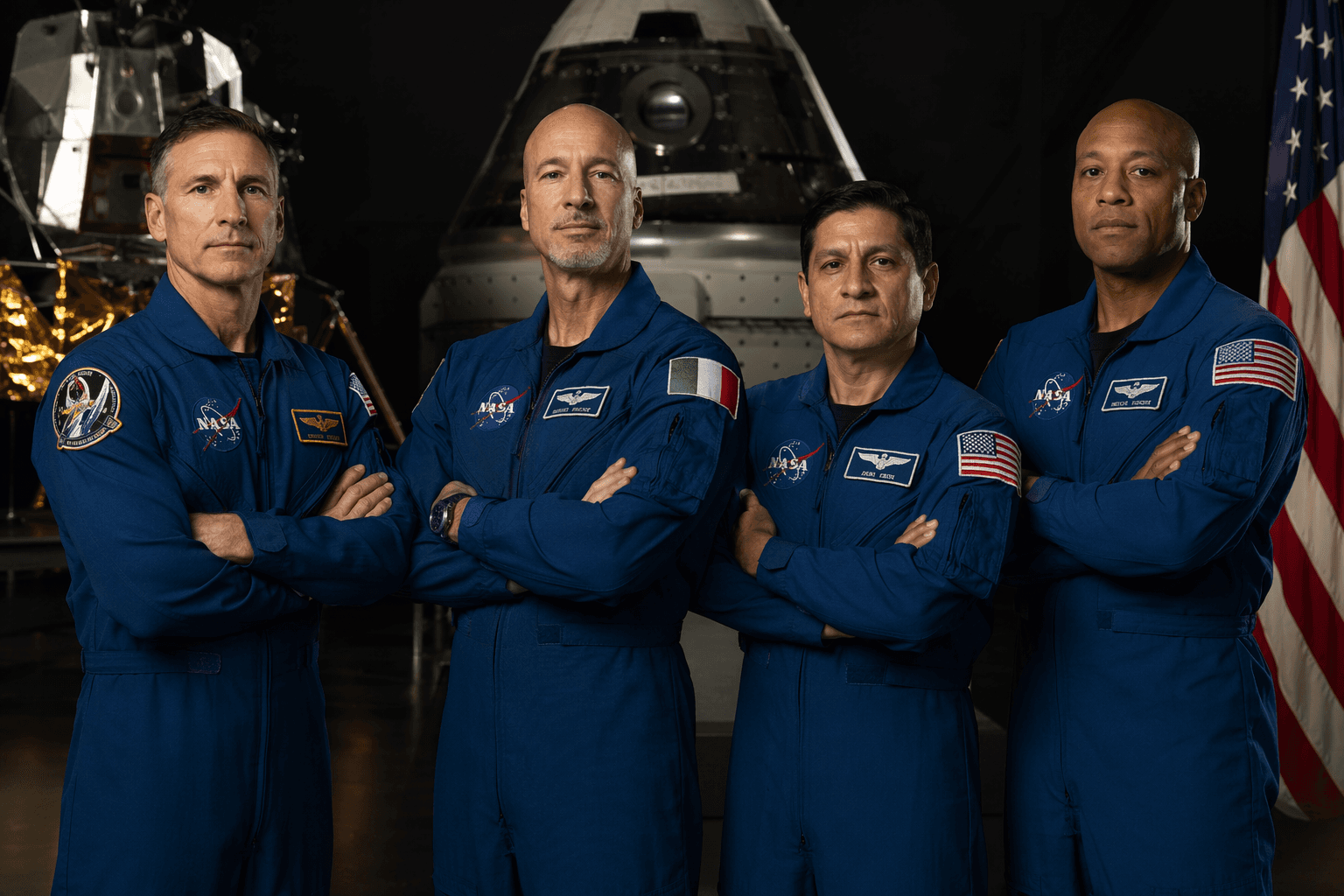
Artemis III is currently planned for 2027 and is part of NASA’s broader effort to return humans to the Moon after more than 50 years. But this is not a landing mission in itself. NASA described it as a low Earth orbit test flight meant to demonstrate critical rendezvous and docking capabilities between Orion and commercial human landing systems, with the goal of reducing risk before later lunar landings. One NASA mission page said the flight will carry four crew members, while another said it will test integrated operations between Orion and one or both commercial landers from SpaceX and Blue Origin.
The international makeup of the crew is central to that plan. ESA confirmed that Parmitano will serve as pilot and said it is providing the third European Service Module for the mission. That makes Artemis III a visible test case for the multinational partnerships NASA wants to carry into deep space operations, not just a ceremonial crew announcement.
NASA said the crew will begin a year or more of mission-specific training, a reminder that Artemis III is being treated as one of the most complex human spaceflight missions in recent history. The work is meant to sharpen procedures, hardware integration and crew coordination before later flights, including Artemis IV, which NASA says is the first planned crewed mission to the lunar South Pole.
The agency’s April Artemis II test flight is already feeding into that effort. With the Artemis III crew now named, NASA is turning the program from preparation into execution, using this mission to prove that the systems, partners and astronauts can operate together under the pressure of a return to the Moon.
This article was produced by Prism’s automated news system from verified source data, official records, and press releases, then run through automated quality and moderation checks before publishing. The system is built and supervised by the people who set the standards it runs under. Read our full AI policy.
Know something we missed? Have a correction or additional information?
Submit a Tip