NASA reverses station evacuation order after Russian module air leaks
NASA pulled back a shelter order after two tiny leaks in Zvezda raised concern, exposing how old hardware and Russian-U.S. coordination still shape life on the ISS.
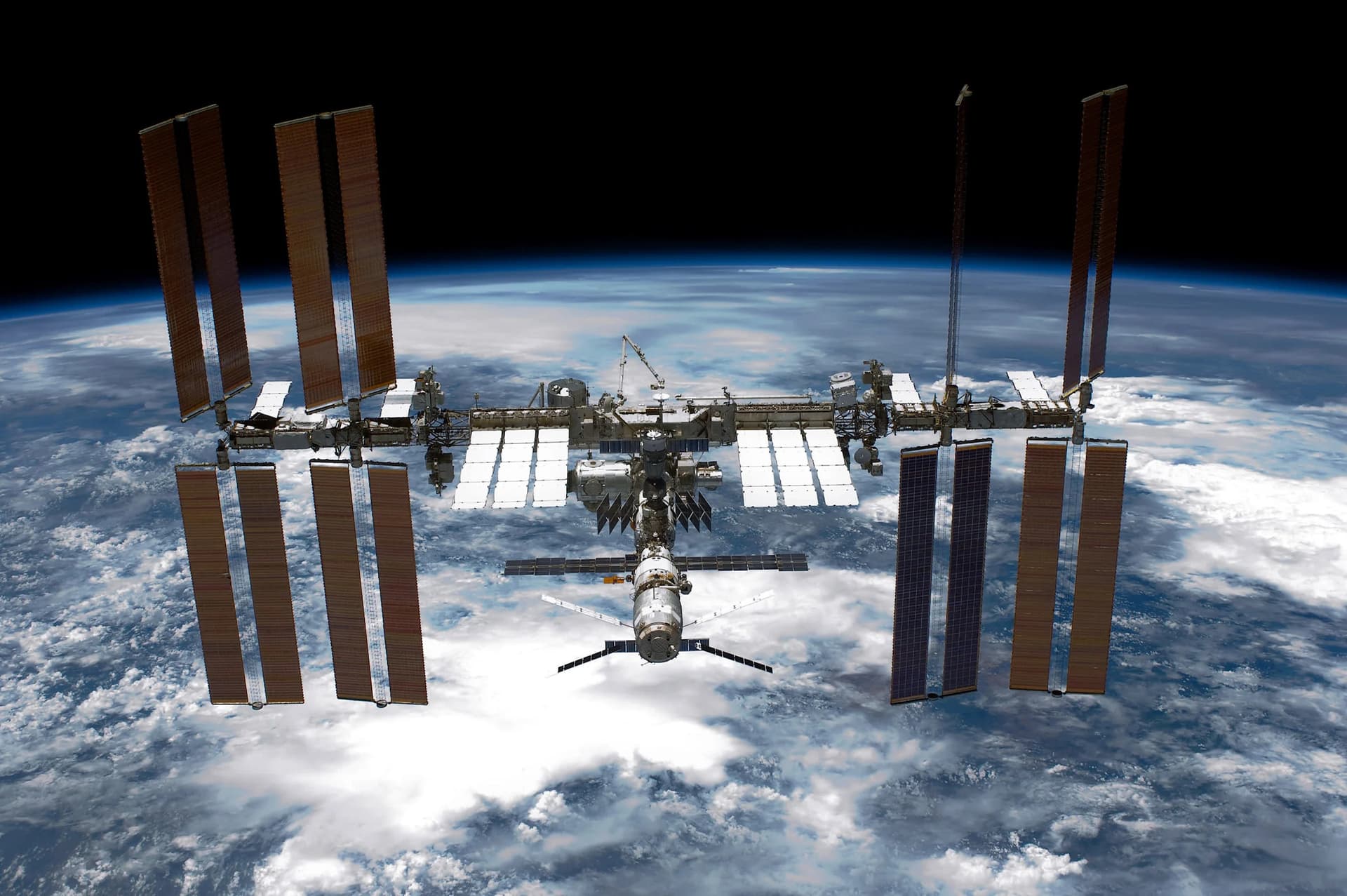
NASA reversed a brief shelter order aboard the International Space Station after two small air leaks in the Russian segment prompted a precautionary move into the docked SpaceX Crew Dragon Freedom. Five of the seven crew members were told to wait inside the spacecraft while two cosmonauts worked in the area, a step NASA described as a safe-haven measure taken out of an abundance of caution.
The leaks were traced to the aft transfer tunnel of the Zvezda service module, known as the PrK, where NASA says cracks have existed since 2019 and have led to repeated monitoring and repair work by Roscosmos. The agency has been working with its Russian counterpart on root-cause analysis and leak mitigation, with Roscosmos applying both temporary and permanent sealants as engineers try to keep the compartment stable in low Earth orbit.
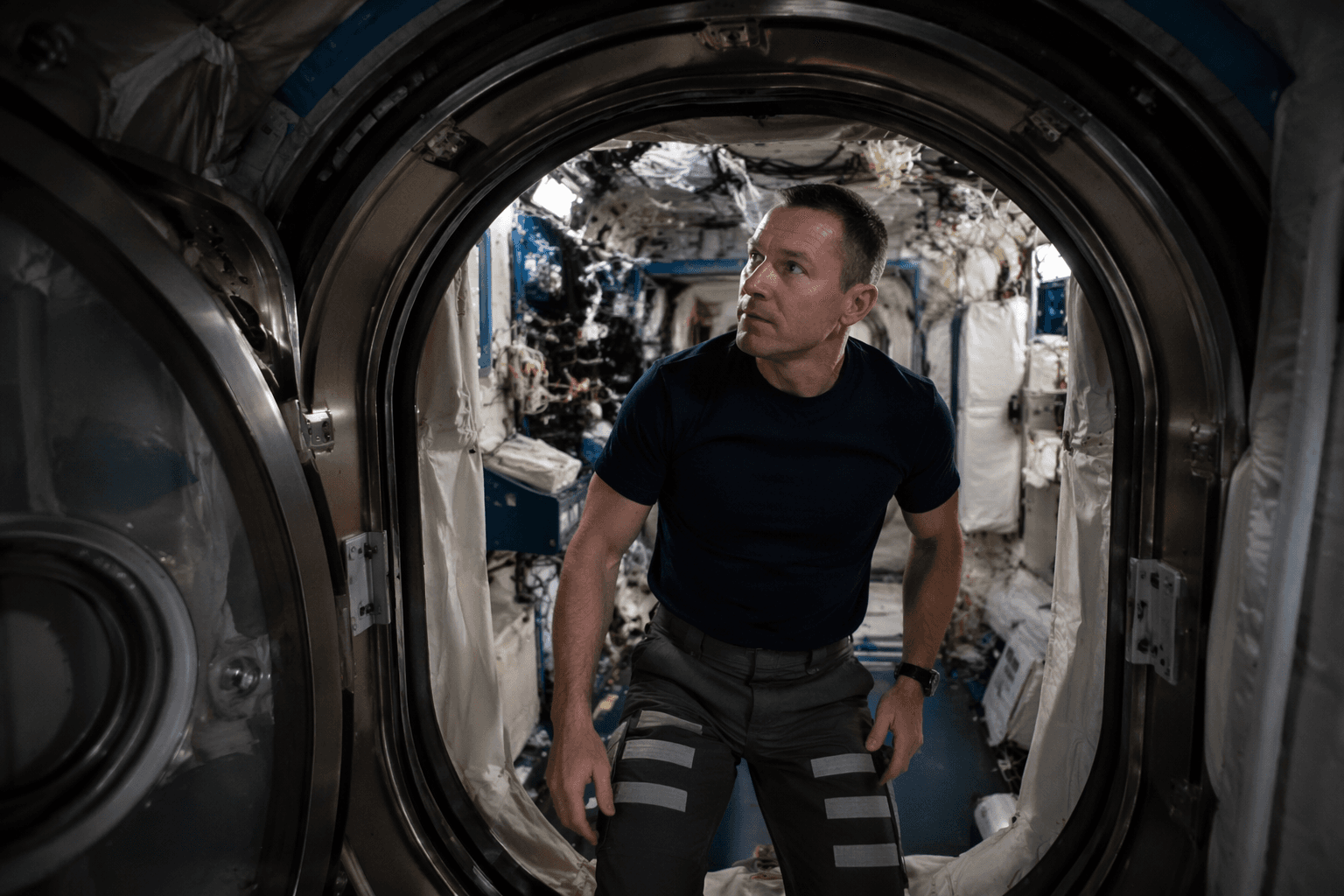
The episode showed how little margin there is for error on an aging station built around hardware that has already outlived its original design horizon. Zvezda, launched in July 2000, is one of the station’s core Russian modules and provides living quarters, life support, communications, flight control and propulsion. When leaks reappear in that section, mission managers have to weigh the possibility of a minor repair issue against the risk of a larger structural problem, all while crews continue normal operations overhead.
The caution was not abstract. NASA delayed Axiom Mission 4 in June 2025 after a new pressure signature appeared in the same aft area of Zvezda following repair efforts. That earlier delay, combined with the latest shelter order, underscores the uncertainty that can hang over station operations when small anomalies do not stay small on the first inspection.
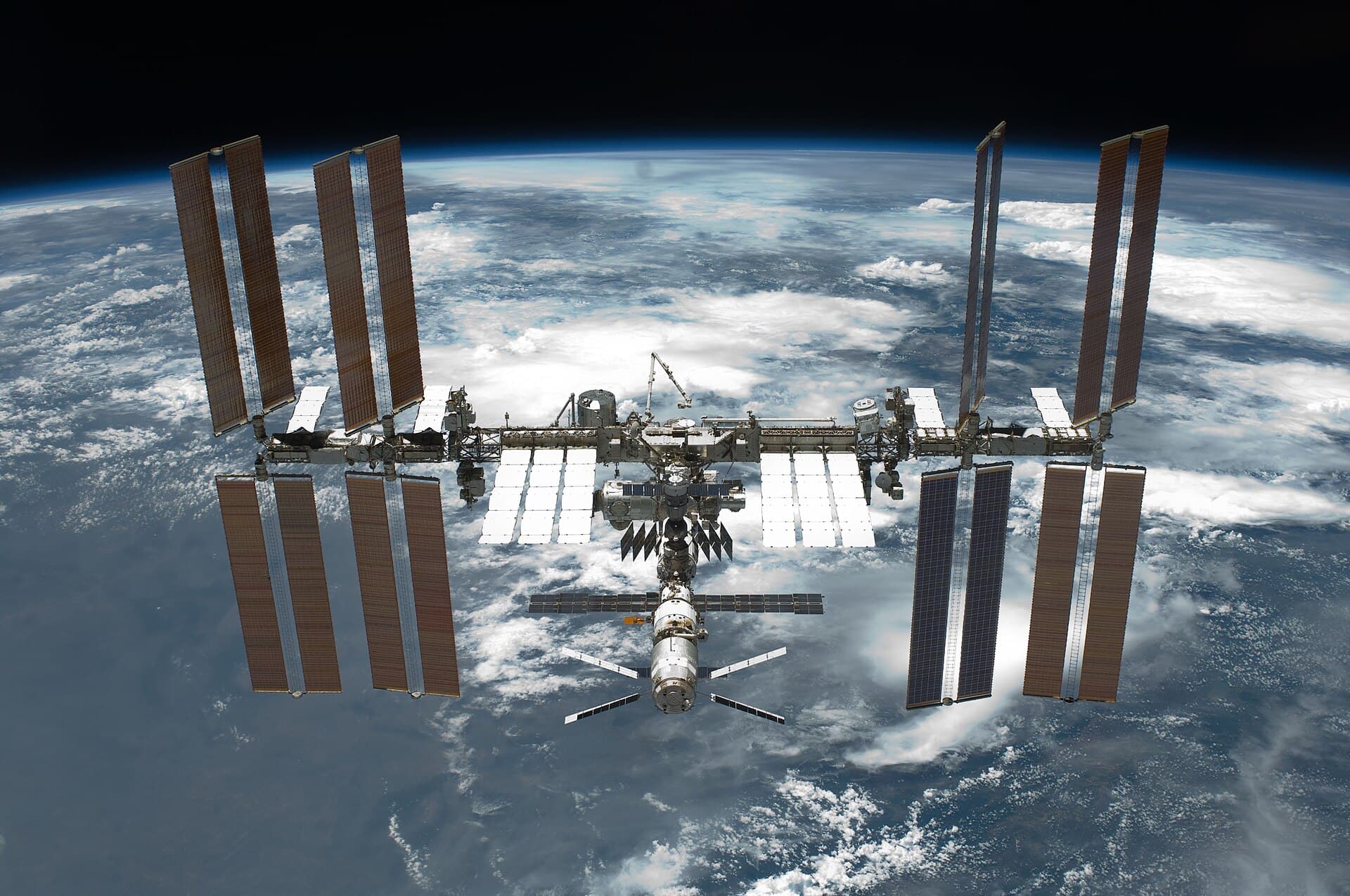
The International Space Station is now in the long final stretch of its planned life, with U.S. policy extending operations through 2030 and NASA’s international partners except Russia committed to that date. The NASA Office of Inspector General has warned that cracks, leaks and other age-related problems remain a continuing safety and sustainability challenge, even as the station costs roughly $4.1 billion a year to operate and support.
This article was produced by Prism’s automated news system from verified source data, official records, and press releases, then run through automated quality and moderation checks before publishing. The system is built and supervised by the people who set the standards it runs under. Read our full AI policy.
Know something we missed? Have a correction or additional information?
Submit a Tip