NASA rover finds potential signs of ancient microbial life on Mars
NASA said a Perseverance sample from Cheyava Falls may hold ancient biosignatures. The rock’s leopard spots and carbon clues are intriguing, not proof of life.

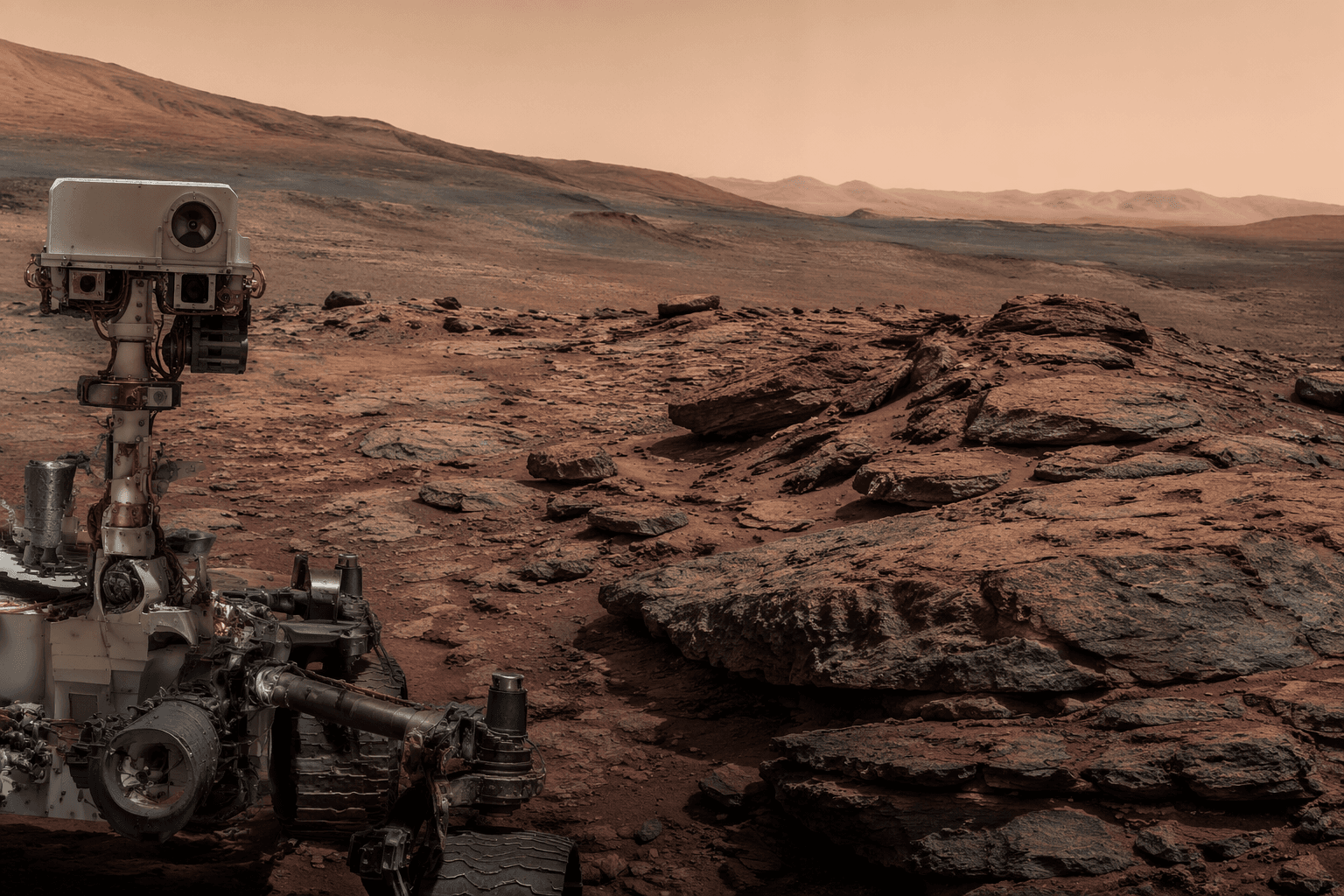
NASA said a Perseverance sample drilled from a Mars rock nicknamed Cheyava Falls could preserve evidence of ancient microbial life, but scientists drew a hard line between possibility and proof. The sample, called Sapphire Canyon, came from the Bright Angel formation in Neretva Vallis at the edge of Jezero Crater and showed signs of past water, organic carbon and unusual chemical and textural features.
Perseverance examined Cheyava Falls in July 2024, when the rover first spotted the now-famous leopard spots on the reddish rock. NASA’s SHERLOC instrument also detected a Raman spectral feature associated with organic carbon, adding to the case that the rock recorded conditions once capable of supporting life. NASA and its Jet Propulsion Laboratory said the sample remained the mission’s best candidate for signs of ancient microbial life processes after about a year of scrutiny.
The claim stops well short of announcing Martian life. NASA defines a potential biosignature as a substance or structure that might have a biological origin but still needs more data before any conclusion can be reached. That restraint matters because the same organic molecules and chemical patterns can also arise from ordinary non-biological processes, and scientists have not ruled out alternative explanations for the features seen in Sapphire Canyon. The leopard spots, for example, may reflect chemical reactions that can fuel life on Earth, but they are not a fingerprint of biology on their own.
That caution has shaped the wider scientific reaction. Independent commentary has stressed that organics alone are not enough to establish life, and that the decisive test would come from samples returned to Earth and examined in a laboratory with far more sensitive instruments than a rover can carry. Researchers have also pointed to more discriminating life-detection tools, including tests for molecular chirality, or handedness, which could help separate biology from look-alike chemistry.
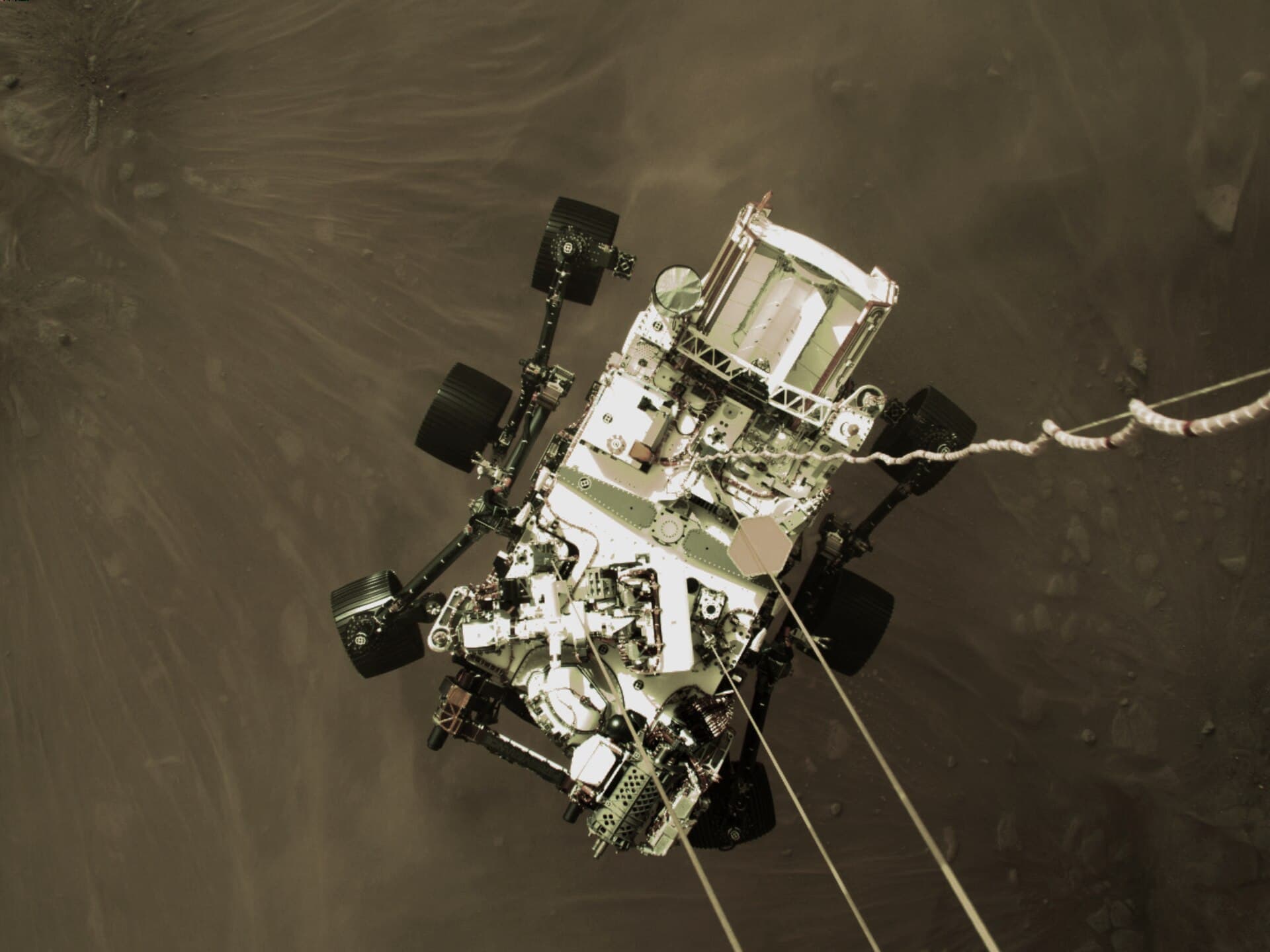
For now, Sapphire Canyon stands as the strongest Mars sample yet to prompt that level of attention, not the final answer. NASA’s Sept. 10, 2025 announcement framed the find as a potentially important clue from an ancient dry riverbed, but the agency still left the central question open: whether the rock recorded microbial activity, or only the chemistry of a wet and reactive Mars long ago.
This article was produced by Prism’s automated news system from verified source data, official records, and press releases, then run through automated quality and moderation checks before publishing. The system is built and supervised by the people who set the standards it runs under. Read our full AI policy.
Know something we missed? Have a correction or additional information?
Submit a Tip