NASA selects STRIVE and EDGE to sharpen climate and ecosystem monitoring
NASA chose two Earth System Explorer missions to deliver higher-resolution atmospheric and surface data. The missions aim to improve forecasting, air quality tracking and coastal resilience.
NASA announced on Feb. 5 that STRIVE and EDGE will be the first Earth System Explorer missions moved forward to development, selecting two of four finalists that received one-year concept studies in 2024. The agency and university teams say the satellites are intended to deliver daily, higher-resolution measurements that can improve weather and air quality forecasts, track ozone and pollution, and map rapidly changing ice and ecosystems. Both missions are scheduled to launch no earlier than 2030 and teams commonly describe an early 2030s timeframe for flight.
STRIVE, led by University of Washington professor Lyatt Jaeglé, will carry an infrared imaging spectrometer and a near-infrared multidirectional radiometer on a Northrop Grumman LEOStar-2 satellite bus. The mission will provide daily, near-global, high-resolution measurements of atmospheric temperature, composition and aerosol properties from the upper troposphere to the mesosphere at a spatial density described as much higher than any previous mission. STRIVE is designed to produce vertical profiles of ozone and trace gases needed to understand ozone recovery, to track long-range transport of volcanic smoke and pollution, and to improve predictability for air quality, weather, climate and aviation hazards. Lyatt Jaeglé said, "This was fantastic news. We have been working on this concept for a few years now, and for many of us it is a dream come true. To be able to observe the atmosphere at this level of detail is a tremendous opportunity."
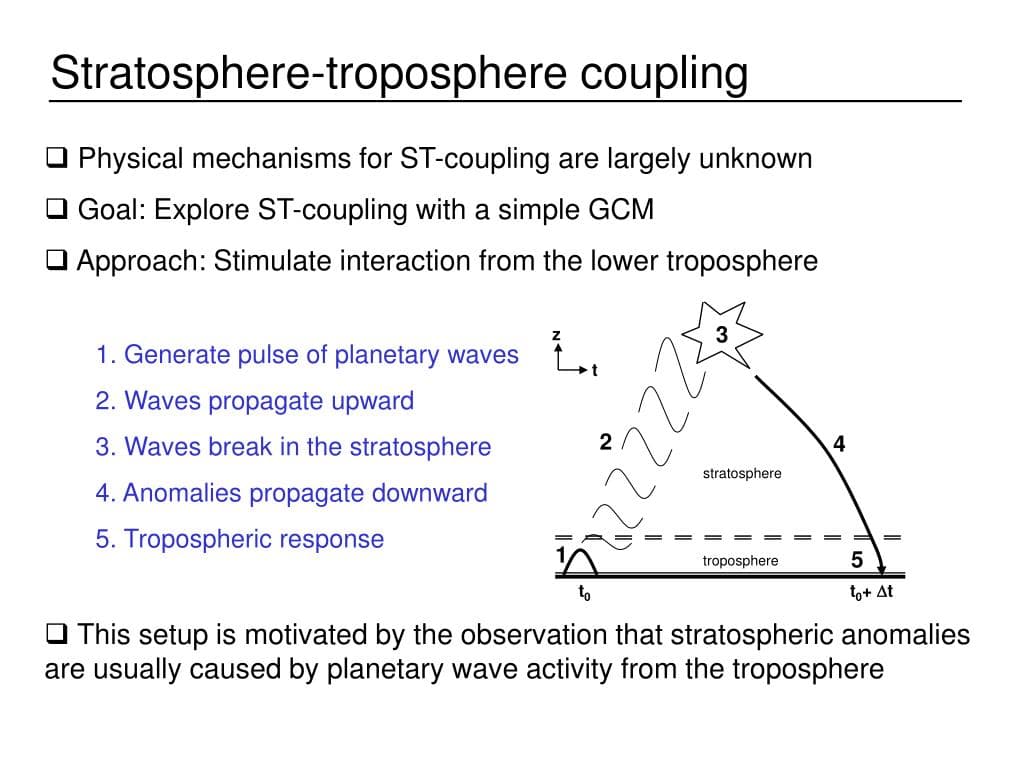
Project scientists emphasize the public health and equity stakes of STRIVE’s observations. Higher-resolution ozone and pollutant profiles can refine forecasts that protect communities disproportionately exposed to air pollution, support decisions in the energy and agriculture sectors that affect food and employment security, and give coastal planners longer-range information for populations vulnerable to climate-driven hazards. University and partner materials note STRIVE "fills a critical data gap and opens a new window on stratosphere-troposphere interactions" and could help extend predictive skill from days into full seasons.
EDGE, led by Scripps glaciologist Helen Amanda Fricker of UC San Diego, will fly what NASA and project teams call the first global satellite imaging laser altimeter system: a swath-mapping lidar that fires laser pulses and records return times to capture high-density surface elevation. University of Washington-affiliated team members include Ben Smith and David Shean. The system will make over 150,000 measurements each second and map the planet using five 120-meter wide strips, providing three-dimensional measurements of forests and detailed portraits of glaciers, ice shelves and other icy terrain. Ben Smith summarized the contrast with prior satellites: "In contrast, EDGE will provide detailed portraits, especially the rapidly changing glaciers and ice shelves near the coasts."

EDGE will use a spacecraft bus provided by Lanteris Space Systems and be implemented through NASA Goddard, building on heritage from GEDI and ICESat-2 while promising denser coverage and higher accuracy. Both missions were among four finalists in 2024 that received concept study funding; reports noted each finalist received $5 million for the one-year studies. At the time NASA named the finalists, Nicky Fox, NASA associate administrator for science, said, "As we continue to confront our changing climate and its impacts on humans and our environment, the need for data and scientific research could not be greater."
Policy makers and public health officials will watch how quickly mission budgets, technical milestones and data-release plans are finalized. Teams say the new measurements are intended for researchers, policymakers and commercial users and to support coastal communities, where nearly half the world’s population lives. As development proceeds, the missions will face the typical test for federal Earth-observation programs: converting scientific promise into reliable, timely data that reduce risk for the most exposed and marginalized communities.
This article was produced by Prism’s automated news system from verified source data, official records, and press releases, then run through automated quality and moderation checks before publishing. The system is built and supervised by the people who set the standards it runs under. Read our full AI policy.
Did this article answer your question?