National Park Service removes Pride flag at Stonewall, sparking protests
The National Park Service removed a Pride flag from Stonewall National Monument, prompting protests and demands from leaders who say the action erases LGBTQ+ history.

The National Park Service confirmed on Feb. 10 that it quietly removed a rainbow Pride flag from the flagpole at the Stonewall National Monument in Manhattan, saying the Park Service was following "new guidance restricting flags flown on NPS-managed flagpoles to the U.S. flag and certain congressionally approved flags." The action immediately ignited protests at the site, organized responses from advocacy groups and sharp public criticism from elected officials who demanded the flag be restored.
Advocates and the National Parks Conservation Association say the removal follows broader editorial changes to the monument's official web pages in February 2025 that replaced "LGBTQ+" with "LGB" and excised references to transgender and queer people, including material that acknowledged Marsha P. Johnson and Sylvia Rivera. The NPCA cited a Trump administration memo, titled "Guidance on the Display and Flying of Non-Agency Flags and Pennants within the National Park System," as underlying the flag restriction it says prompted the action.
The NPCA's Timothy Leonard framed the flag as central to the site's interpretation of history, saying: "The symbolic and meaningful representation of the Pride flag at Stonewall is at the heart of American history told and celebrated here. Given the Department of Interior’s own guidance, the Pride flag is undoubtedly part of the living history and historical significance connected to Stonewall National Monument. And it should remain. As the only national park site dedicated to LGBTQ+ history, and at a time where history and science are being removed from our parks, there is no greater time to reinforce the significant meaning of the Pride flag and all it represents at Stonewall."
Local organizers and institutions that steward the Stonewall legacy denounced the moves as erasure. The Stonewall Inn and the Stonewall Inn Gives Back Initiative said what the NPS did "not only distorts the truth of our history, but it also dishonors the immense contributions of transgender individuals, especially transgender women of color, who were at the forefront of the Stonewall Riots and the broader fight for LGBTQ+ rights." In response, visitors and activists planted unauthorized trans Pride flags around the monument and outside the nearby Stonewall Inn in acts of public dissent.

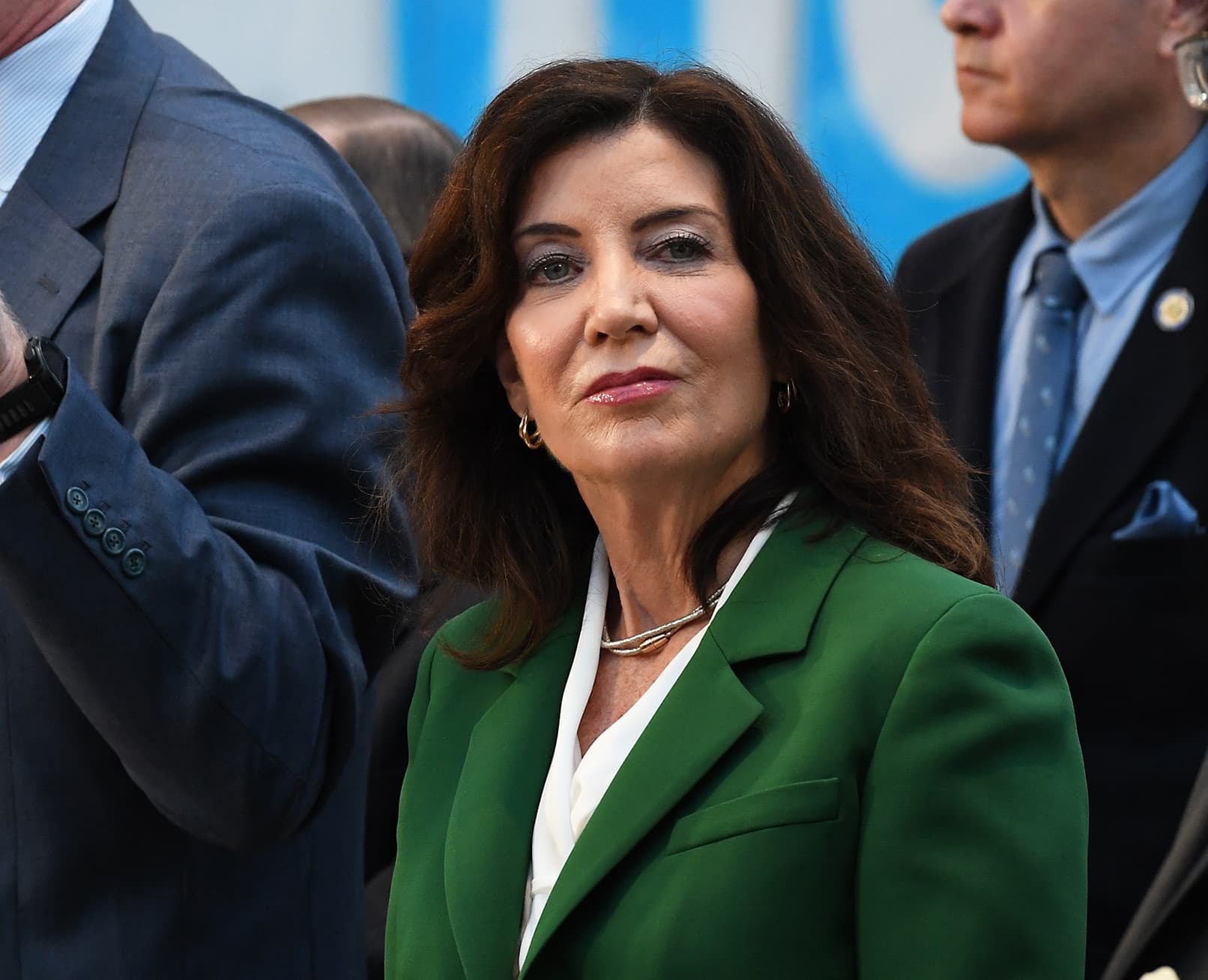
Political leaders pressed the Park Service for reversal. Gov. Kathy Hochul called the removal "just cruel and petty. Transgender people play a critical role in the fight for LGBTQ+ rights, and New York will never allow their contributions to be erased." At a demonstration, Representative Jerry Nadler accused the administration of using the issue to stoke culture war politics: "[President Trump] is pandering to the lowest of his base and using this transgender community to fear monger and fuel Republican culture wars." Protesters included public figures who framed the dispute as connected to wider policy moves; Marti Gould Cummings underscored the stakes at the rally, noting that assaults on gender-affirming care intersect with symbolic acts in public spaces: "As they take away gender-affirming care, for all of you who have had Botox and hair plugs, that is gender-affirming care."
The episode raises institutional and civic questions about how federal agencies balance neutral flag protocols with the interpretive needs of sites that commemorate civil rights struggles. Advocates say the monument is unique among National Park Service sites in its direct connection to LGBTQ+ history, and they warn that narrowing the flags and language used at the site risks excluding central actors from the official narrative. The dispute has already prompted formal demands from local officials and scheduled protests, signaling a campaign that could reshape how voters and civic groups engage around federal stewardship of contested histories. NPS officials have said the change followed policy guidance; they have not publicly released a detailed timeline explaining the web edits or the internal rationale for removing the flag.
This article was produced by Prism’s automated news system from verified source data, official records, and press releases, then run through automated quality and moderation checks before publishing. The system is built and supervised by the people who set the standards it runs under. Read our full AI policy.
Did this article answer your question?