Nationwide protests target AI data centers over water, power and zoning
Protesters staged 142 demonstrations in 42 states, and Utah’s Box Elder County fight showed how water fears can stop a data center filing cold.
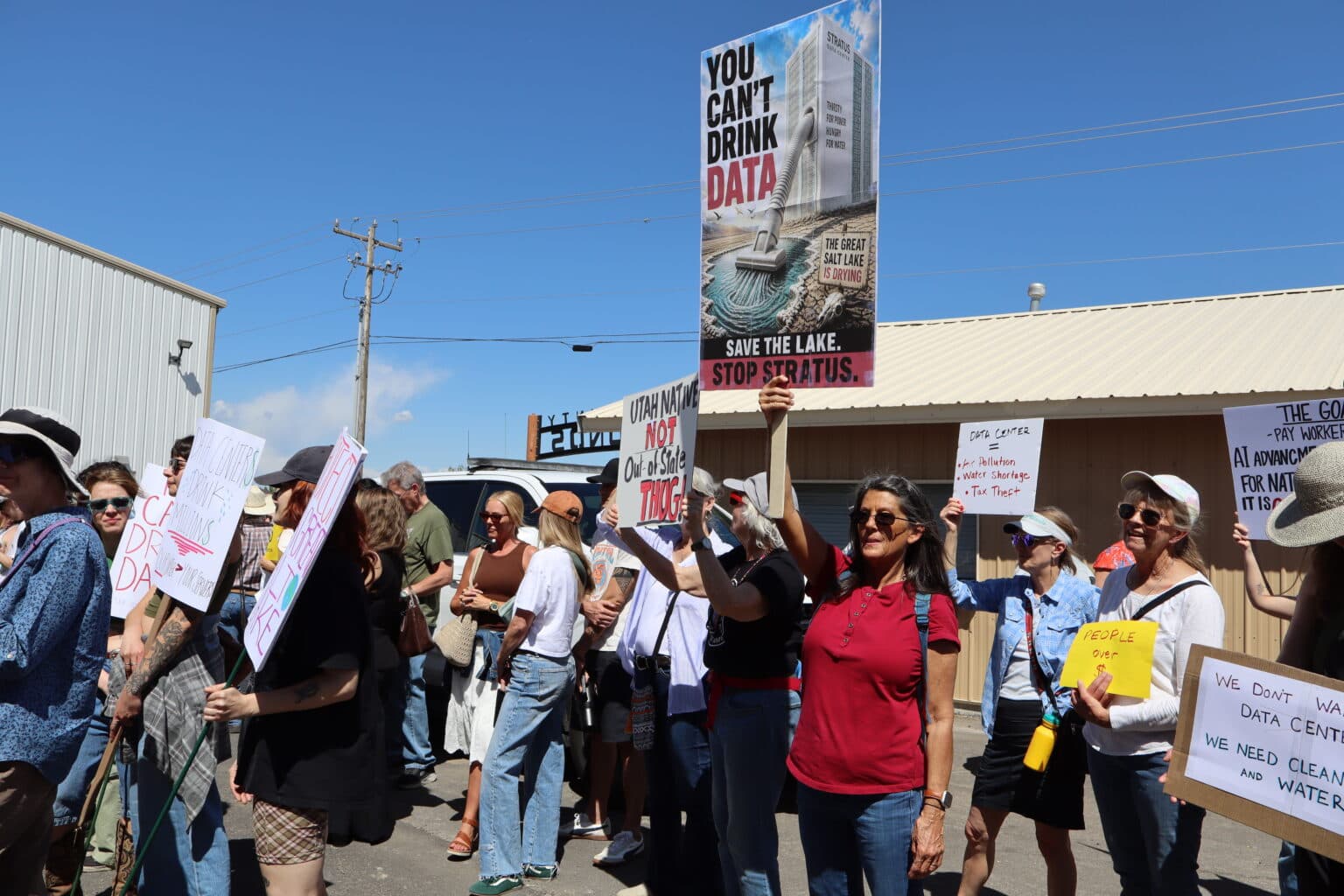
Protesters staged 142 demonstrations in 42 states on Saturday, turning AI data centers into a national fight over water, power and local zoning. The backlash stretched from coast to coast and, in the framing used by ABC News Live Prime, cut across the political divide.
Reuters counted the demonstrations as part of a broader revolt against the rapid buildout of facilities that support artificial intelligence. Protesters cited liberty, the environment and community impact, a sign that the argument has moved well beyond a narrow tech dispute. Data centers are the physical backbone of the AI boom, with huge server halls, cooling systems and networking gear that can draw large amounts of electricity and, in some cases, significant water.
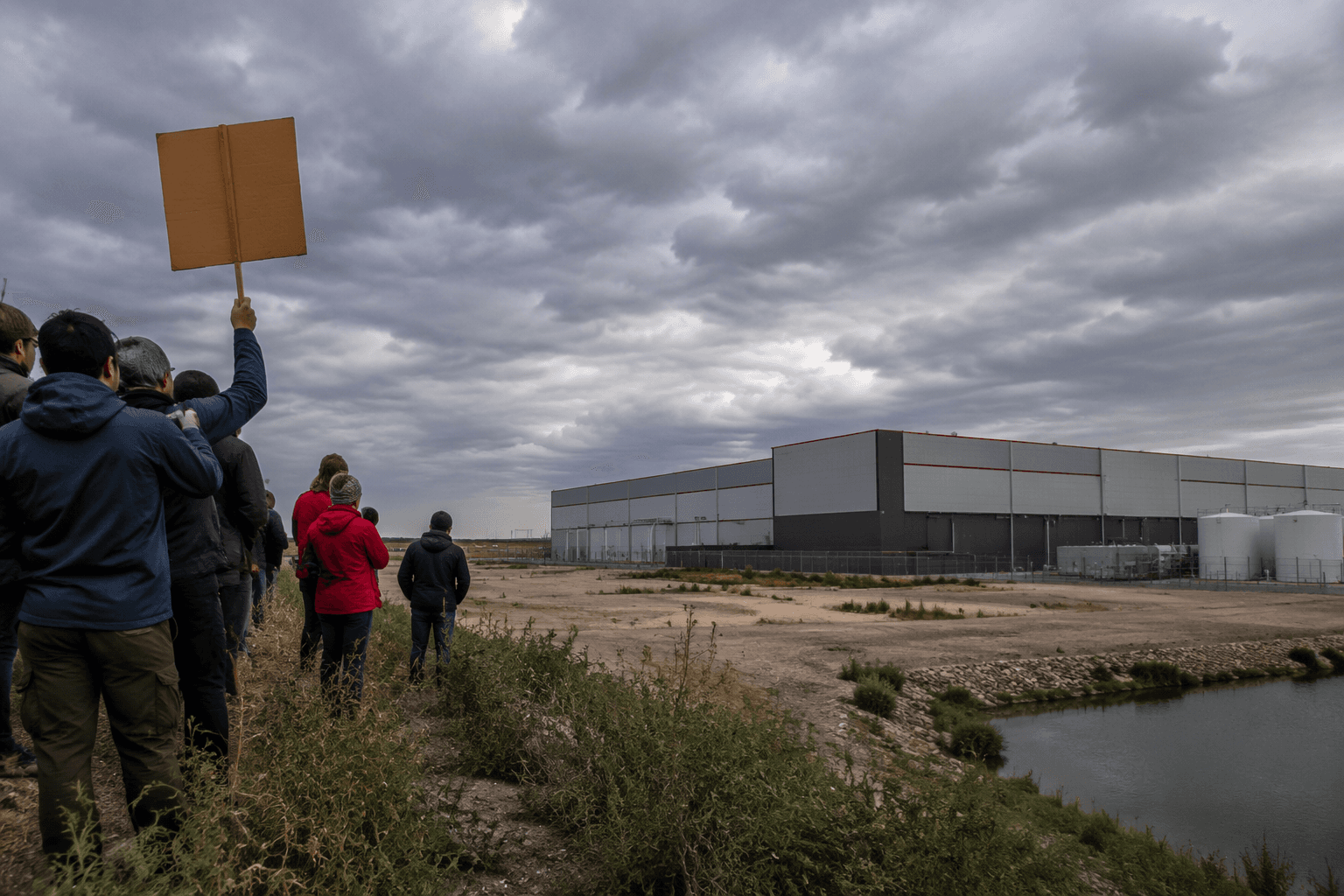
Utah has become one of the clearest examples of the local strain. In Box Elder County, north of the Great Salt Lake, the Stratos project drew thousands of formal protest letters over its water rights request, and that application was withdrawn. KSL News Utah said the letters later became void after the filing was pulled. Route Fifty reported that protesters wanted more sunlight on the plan and its effects on water and air, reflecting the broader fear that communities are being asked to absorb the burdens while developers and utilities chase the upside of AI infrastructure.
The fight did not emerge overnight. Before the weekend protests, Newsweek reported that a national day of protest was being planned for July 18, and Humans First, a conservative advocacy group, said the demonstrations were intended to pressure local, state and federal officials to protect communities from AI data center impacts. The Straits Times, drawing on Reuters coverage, said organizers wanted the development process to be transparent, a demand that now sits at the center of many siting fights.

That demand matters because state and local officials are treating data centers as economic infrastructure even as residents worry about higher utility bills, grid stress, noise, land use and water demand. In Box Elder County, the public cost was immediate and concrete: a water-rights filing came under sustained protest, then disappeared. Across 42 states, the same basic question is now echoing louder: who captures the benefits of the AI buildout, and who pays for the electricity, water and zoning fights that come with it?
This article was produced by Prism’s automated news system from verified source data, official records, and press releases, then run through automated quality and moderation checks before publishing. The system is built and supervised by the people who set the standards it runs under. Read our full AI policy.
Did this article answer your question?