NATO leaders face pressure to deliver spending pledges and Ukraine aid
NATO’s Ankara summit opened with a 5% spending promise, €70 billion in Ukraine aid and fresh doubts about whether Europe can hold the alliance together.
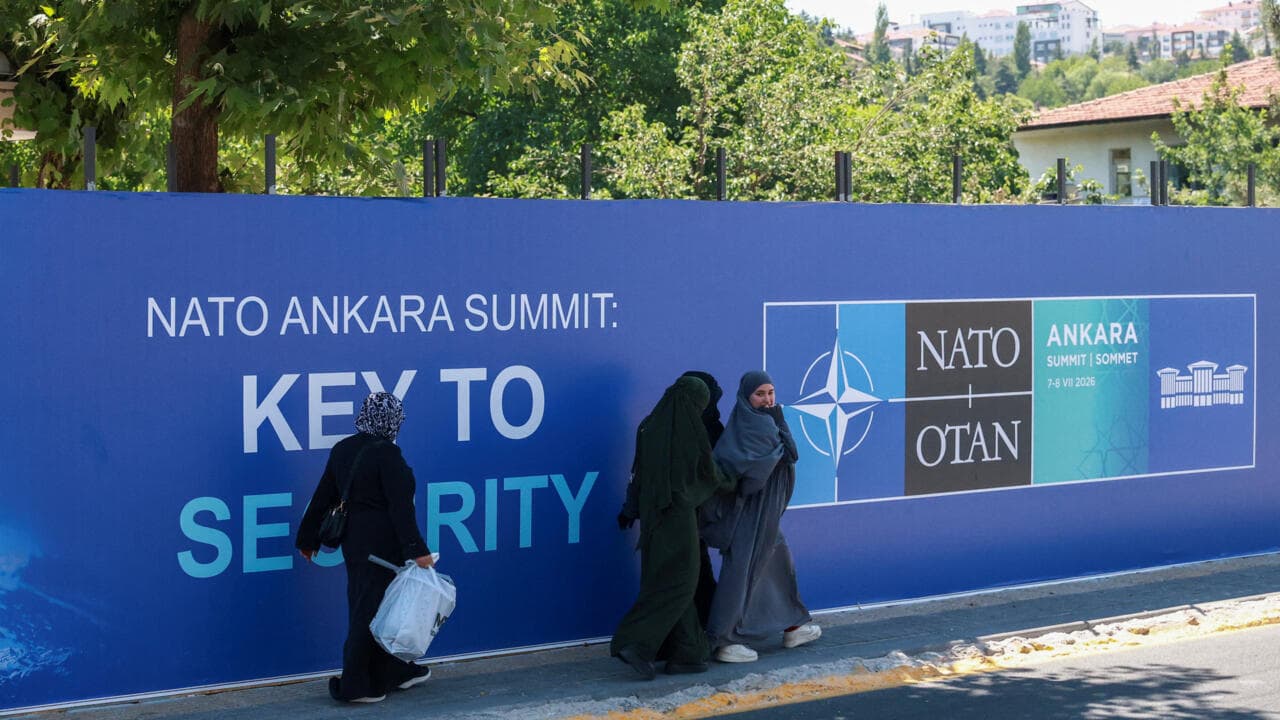
NATO leaders met in Ankara on July 7. The alliance’s 32 members from Europe and North America are trying to move from pledges made in The Hague to the harder work of funding forces, replenishing stocks and keeping Ukraine supplied.
At the June 24-25, 2025 summit in The Hague, allies agreed to invest 5% of GDP annually by 2035 on core defence requirements and defence- and security-related spending. NATO also said each member would submit annual plans showing a credible, incremental path toward the target. The Hague meeting was the first NATO summit since Donald Trump returned to office in January 2025.
Mark Rutte said the Ankara summit would be about delivery. He has framed the meeting around turning commitments into stronger armed forces, higher defence production and the capabilities allies still lack. Ankara will host a forum on July 7 on turning spending promises into output.
NATO says broader defence-related spending can cover up to 1.5% of GDP for critical infrastructure, cyber defence, civil preparedness, resilience, innovation and strengthening the defence industrial base. Progress across the alliance is uneven and already stretching some national budgets.
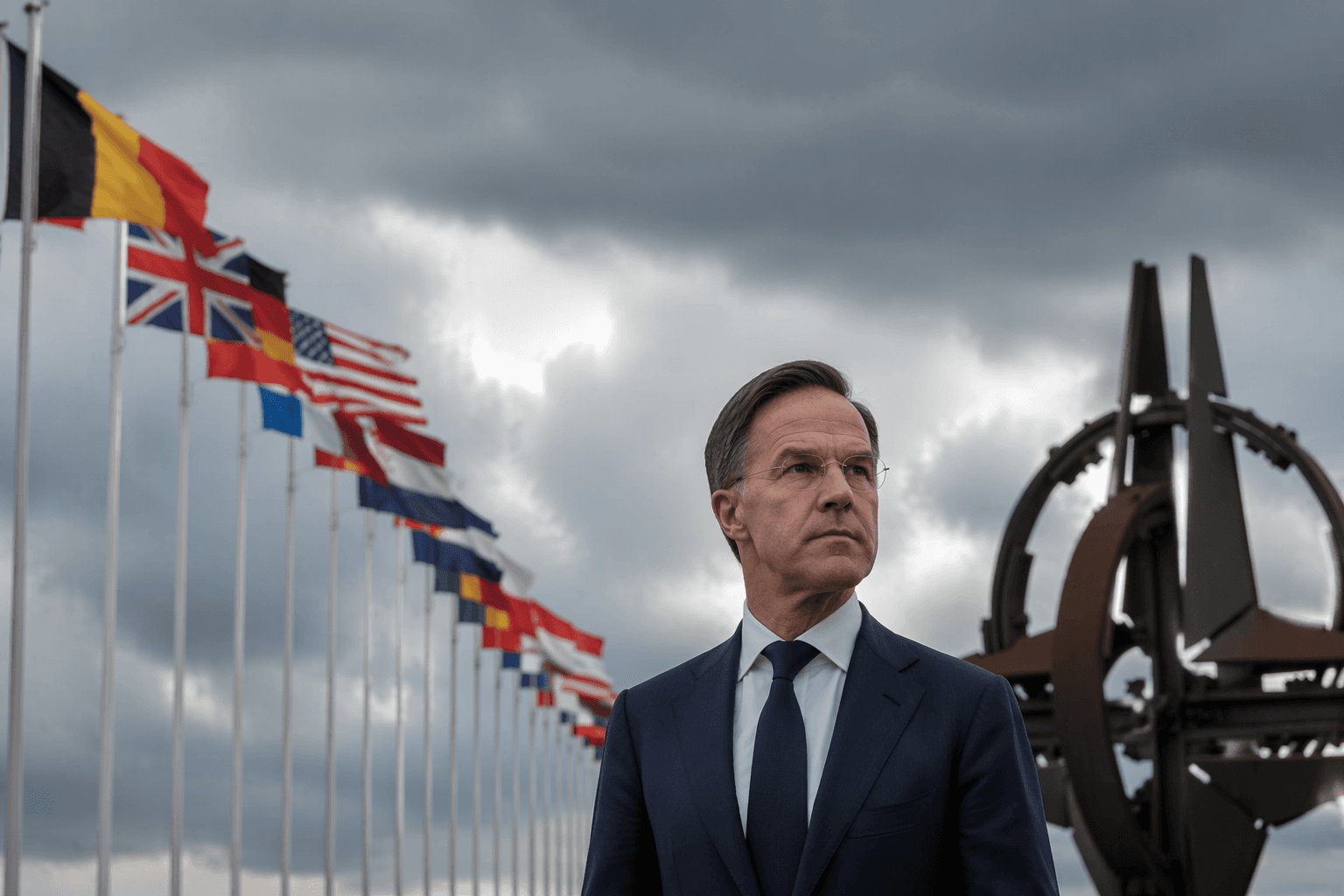
NATO leaders were expected to reaffirm an ironclad commitment to collective defence under Article 5, while also pledging €70 billion in military assistance to Ukraine for 2026 and at least the same level in 2027. At the same time, Washington has pressed allies hard on burden sharing, and the United States has announced cuts to some military assets in Europe, including jets, destroyers and submarines.
Disputes over the Iran war and defence procurement could turn the summit into another stage for division. The United States appears to be decoupling from European security, while European governments grow less certain that American support will hold. The European Parliament wants closer EU-NATO cooperation on interoperability, resilience and avoiding duplication.
This article was produced by Prism’s automated news system from verified source data, official records, and press releases, then run through automated quality and moderation checks before publishing. The system is built and supervised by the people who set the standards it runs under. Read our full AI policy.
Did this article answer your question?