Navajo Leaders Urge Protections in Proposed IHS Realignment
Navajo Nation President Nygren and Navajo Department of Health officials attended tribal consultations on the Indian Health Service Realignment initiative on Dec. 23, pressing IHS to preserve Tribal representation, transparency, and regional input. The leaders stressed the need to accelerate the new Gallup Indian Medical Center construction, fill staffing vacancies, protect Tribal data, and ensure changes do not undermine patient-centered care; written Tribal comments are being accepted through Feb. 9, 2026.
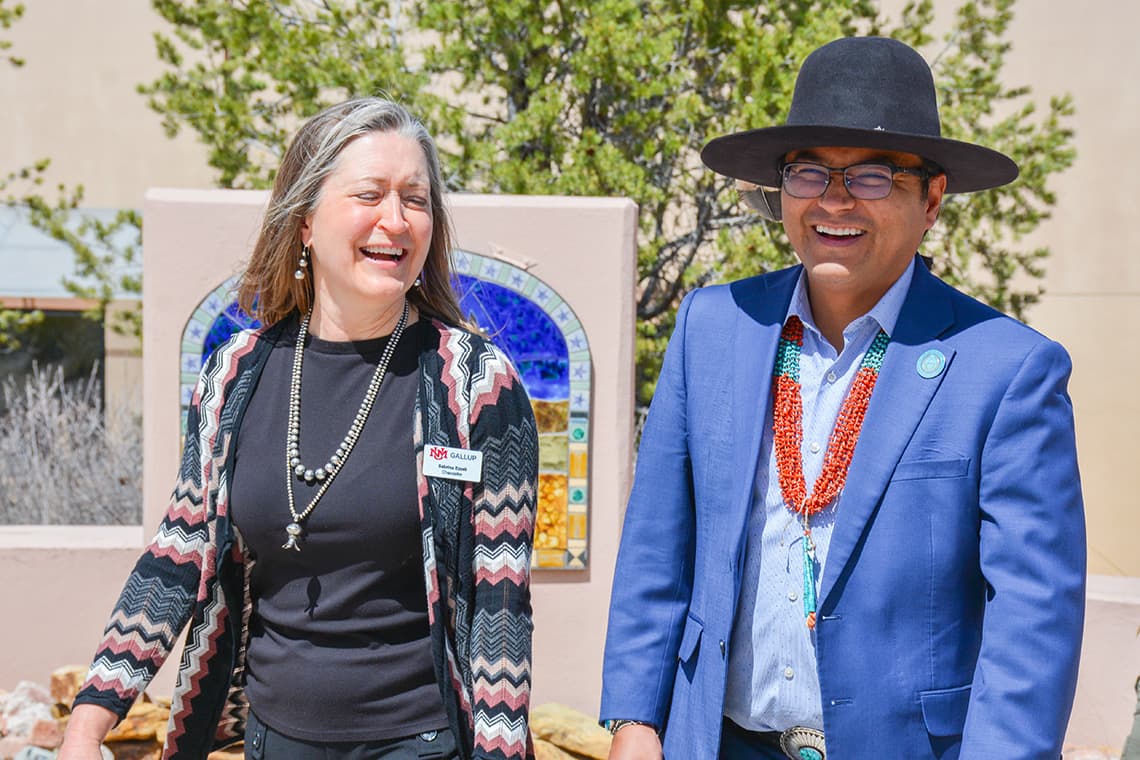
Tribal leaders from the Navajo Nation and health officials met with Indian Health Service representatives during Dec. 23 consultations over a proposed IHS Realignment initiative, raising concerns that structural changes could reduce Tribal influence over regional health services and worsen care for rural Native communities. The Navajo delegation pressed IHS to keep Tribal representation central to any realignment decisions, maintain transparency, and make consultations meaningful and ongoing rather than perfunctory.
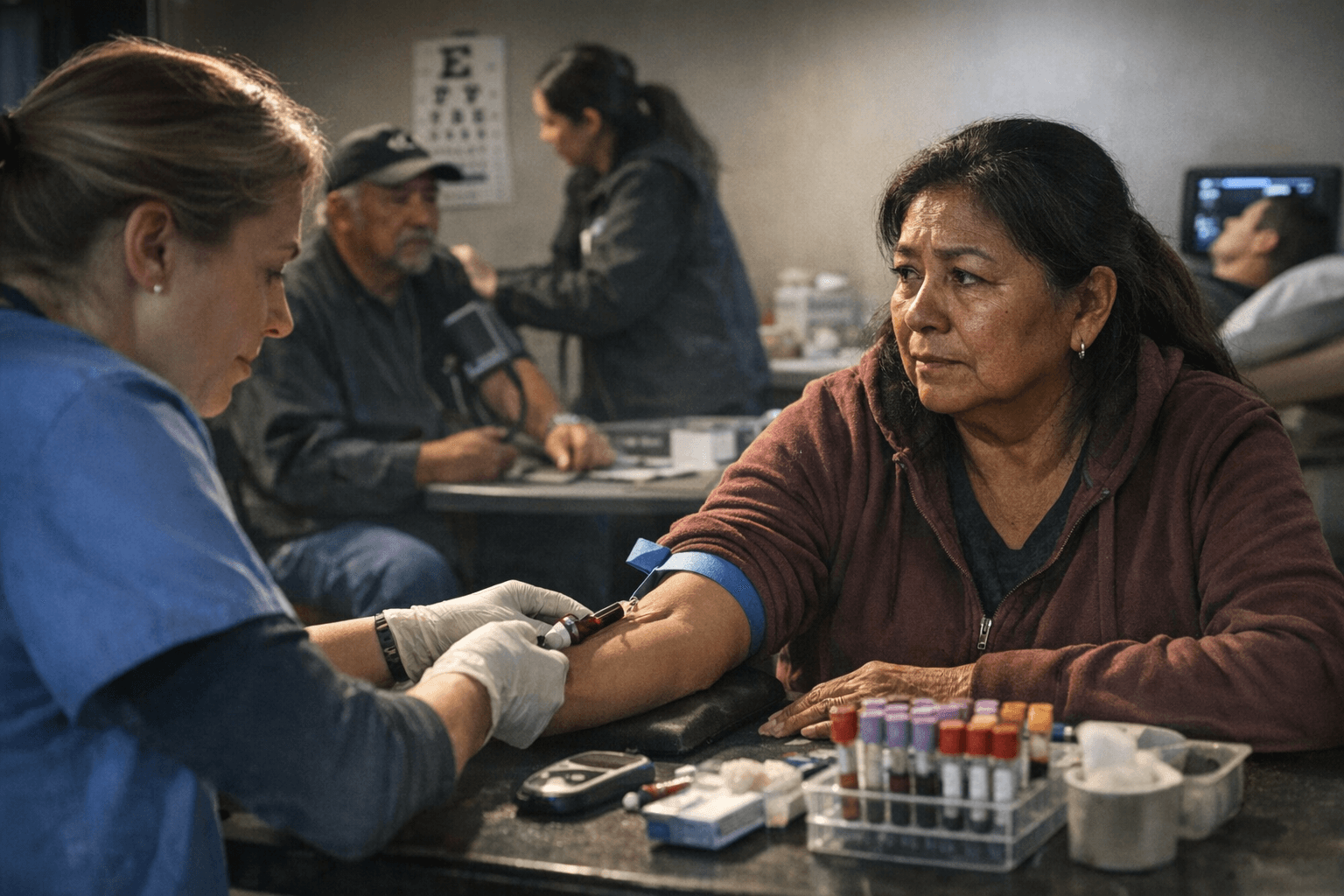
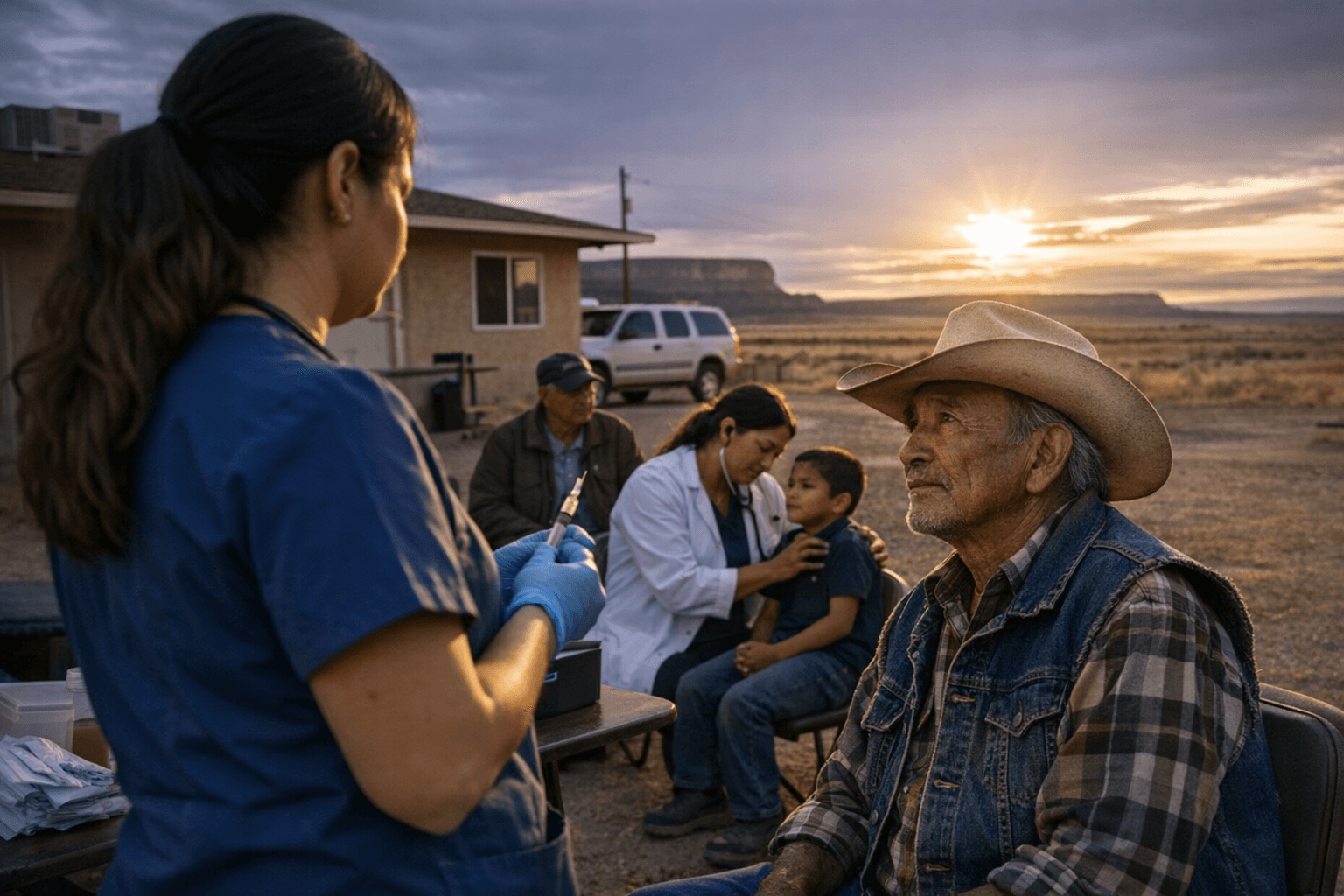
Local health care capacity in Apache County and nearby areas stands to be affected if the realignment proceeds without safeguards. Leaders urged IHS to accelerate construction of the new Gallup Indian Medical Center, a regional facility whose timely completion is tied to access for residents who rely on regional specialty care and hospital services. They also demanded that IHS prioritize filling long-standing staffing vacancies, a persistent problem that contributes to appointment backlogs, limits clinic hours, and strains emergency and chronic care continuity across reservation communities.
Public health implications extend beyond facility walls. Navajo leadership highlighted the need to safeguard Tribal data during any administrative reorganization. Protecting data sovereignty is critical to monitoring community health trends, addressing disparities in chronic disease and behavioral health, and directing limited public health resources to the places of greatest need. Officials cautioned that changes which dilute regional input or centralize decision making risk producing one-size-fits-all policies that do not reflect Tribal priorities or culturally appropriate, patient-centered care.

For Apache County residents, the consultations underscore how federal health policy decisions translate into everyday access to care: where patients go for urgent needs, how quickly vacancies are filled by clinicians and support staff, and whether new facilities open on schedule. The Navajo delegation framed these issues as matters of health equity and Tribal sovereignty, arguing that procedural transparency and continued Tribal consultation are essential to prevent further erosion of services in communities already facing higher rates of chronic illness and geographic barriers to care.
The consultation process remains open to Tribal written comments through Feb. 9, 2026. Community members and Tribal officials seeking to submit feedback or review consultation materials can find details online at opvp.navajo-nsn.gov/251230-ihs-consultation/. As federal agencies consider structural changes, local leaders say ongoing engagement and explicit protections for representation, staffing, data, and patient-centered services are necessary to protect the health and wellbeing of Apache County residents and neighboring Tribal communities.
Sources:
Know something we missed? Have a correction or additional information?
Submit a Tip