Navajo Nation pauses $500,000 shelter funds amid procurement dispute
Navajo Nation officials paused release of $500,000 for women's shelters after questions arose over whether funds were meant for ADABI or required open procurement; review could delay local services.
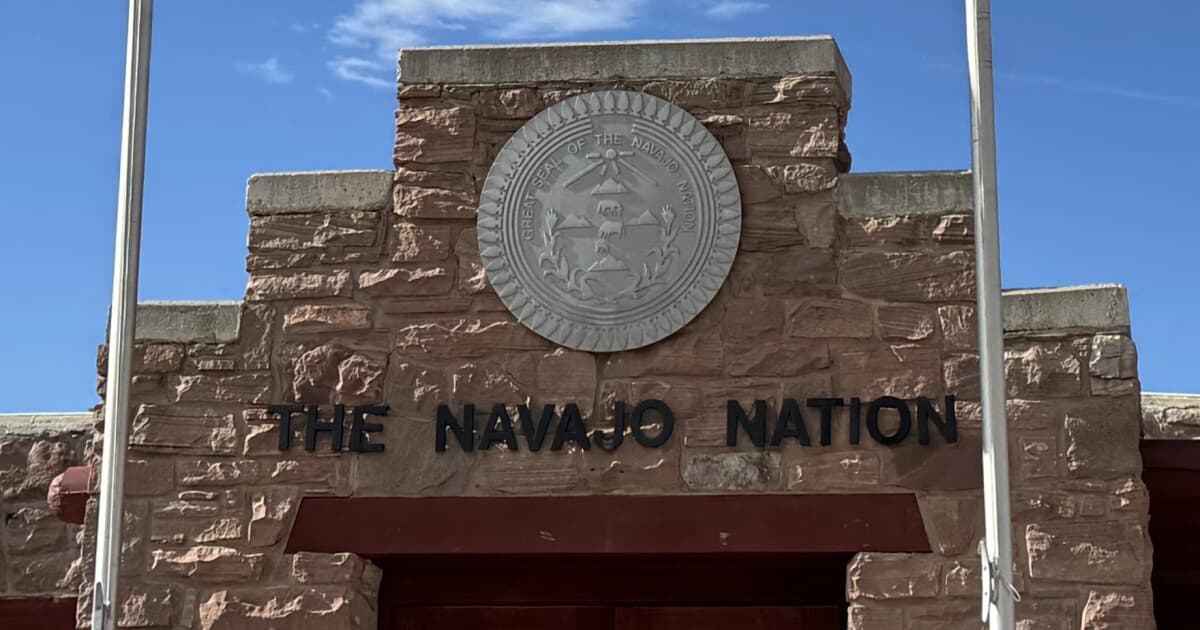
Navajo Nation officials placed a hold Jan. 15 on disbursing a $500,000 Arizona appropriation earmarked for women’s shelters and social services after a dispute arose over whether the money was intended specifically for Chinle-based Amá Dóó Áłchíní Bíghan Inc. (ADABI) or needed to be allocated through tribal procurement procedures that require open competition.
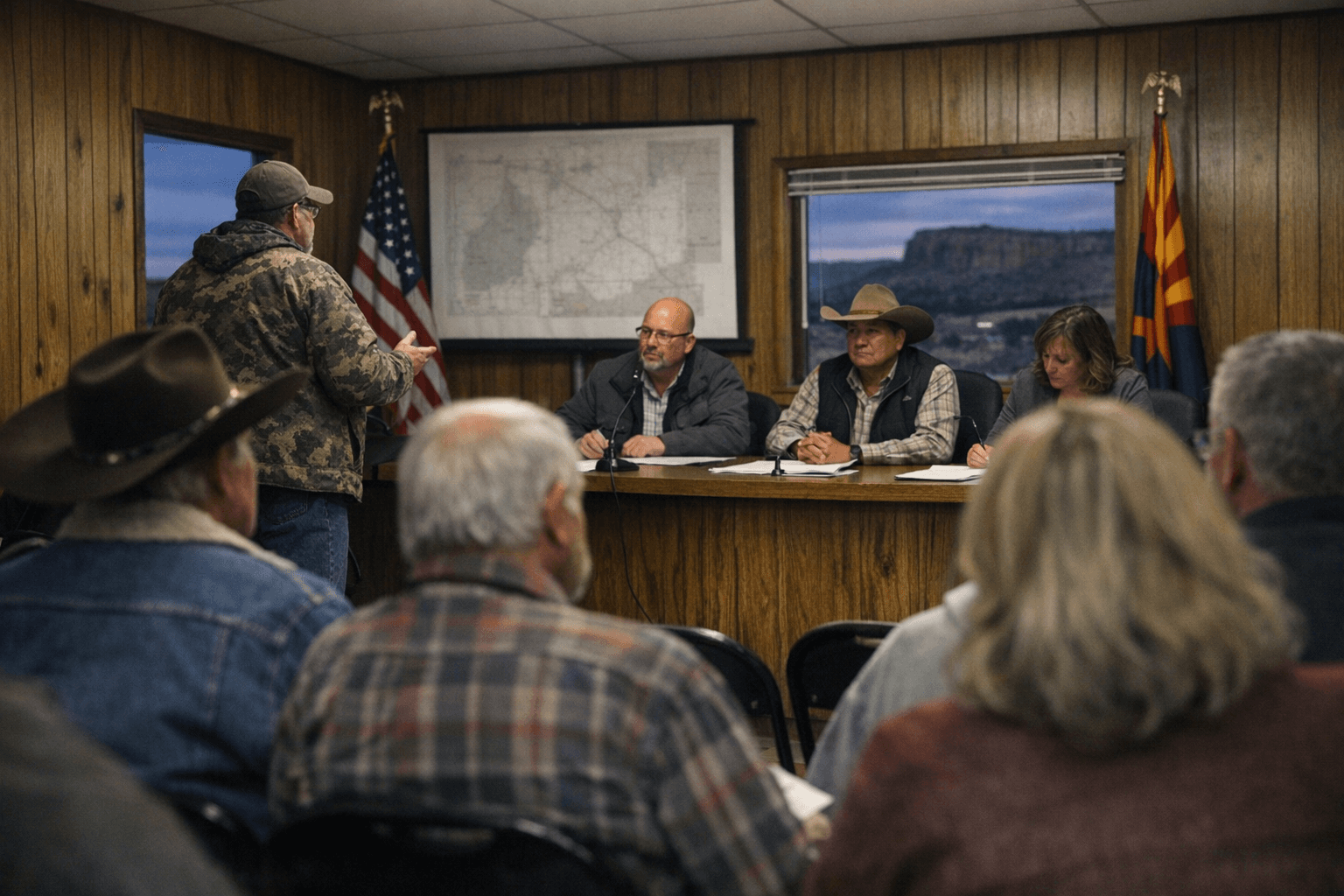
The funds trace to an Arizona budget bill that routed the appropriation through the Arizona Department of Economic Security to the Navajo Nation, creating a cross-jurisdictional funding path that tribal lawmakers say must align with Navajo Nation contracting rules. The pause was announced during a Navajo Nation Zoom session attended by lawmakers, community advocates, Division for Children and Family Services officials and staff who are now reviewing documentation and the legal basis for awarding the money.
ADABI’s executive director presented paperwork asserting that the appropriation was intended for the Chinle-based domestic violence and sexual assault crisis program. Local advocates in Chinle and elsewhere on the Nation told officials the funding had been publicly announced at earlier community events as directed to ADABI. Navajo Nation lawmakers and staff said the competing considerations are the sponsor’s intent in the state appropriation and the Nation’s procurement regulations, which generally require open processes for awarding contracts and grants.
The immediate consequence is a temporary hold on the funds, which were intended to bolster shelters and social services serving survivors of domestic violence and sexual assault across the region. Service providers, shelter staff and clients in Apache County and surrounding chapters face uncertainty about whether programs will receive the planned boost in operating support, staffing capacity or program expansion.
The dispute highlights the complexity that arises when state-level appropriations flow through an executive agency to a sovereign tribal government. For local organizations that rely on timely state and federal dollars, the case underscores the need for clear documentation of funding intent and compliance with tribal procurement rules to avoid delays.
Community advocates said the announcement has mobilized local leaders to press for a rapid review that both honors the appropriation’s intent and upholds procurement transparency. Lawmakers and Division for Children and Family Services officials are reviewing the submitted documentation and legal guidance to determine whether the Nation can designate a sole recipient or must open a competitive process.
For residents and service providers, the immediate outlook is cautious: expect a short-term delay in the rollout of these funds until the Navajo Nation completes its review. Officials have signaled that a decision will follow the review, and local advocates are watching closely for steps that reconcile the appropriation’s stated purpose with tribal contracting rules while minimizing disruption to shelters and programs that serve vulnerable community members.
Sources:
Know something we missed? Have a correction or additional information?
Submit a Tip