Navajo Nation Reapportionment Plan Could Shift Representation in Apache County
Legislation introduced to adopt a new Navajo Nation Council reapportionment plan placed five map options before lawmakers, with three preferred plans recommended by election officials after months of public hearings. The decision, slated to take effect for the 2026 general election, could change delegate boundaries and affect how communities in Apache County are represented and served.
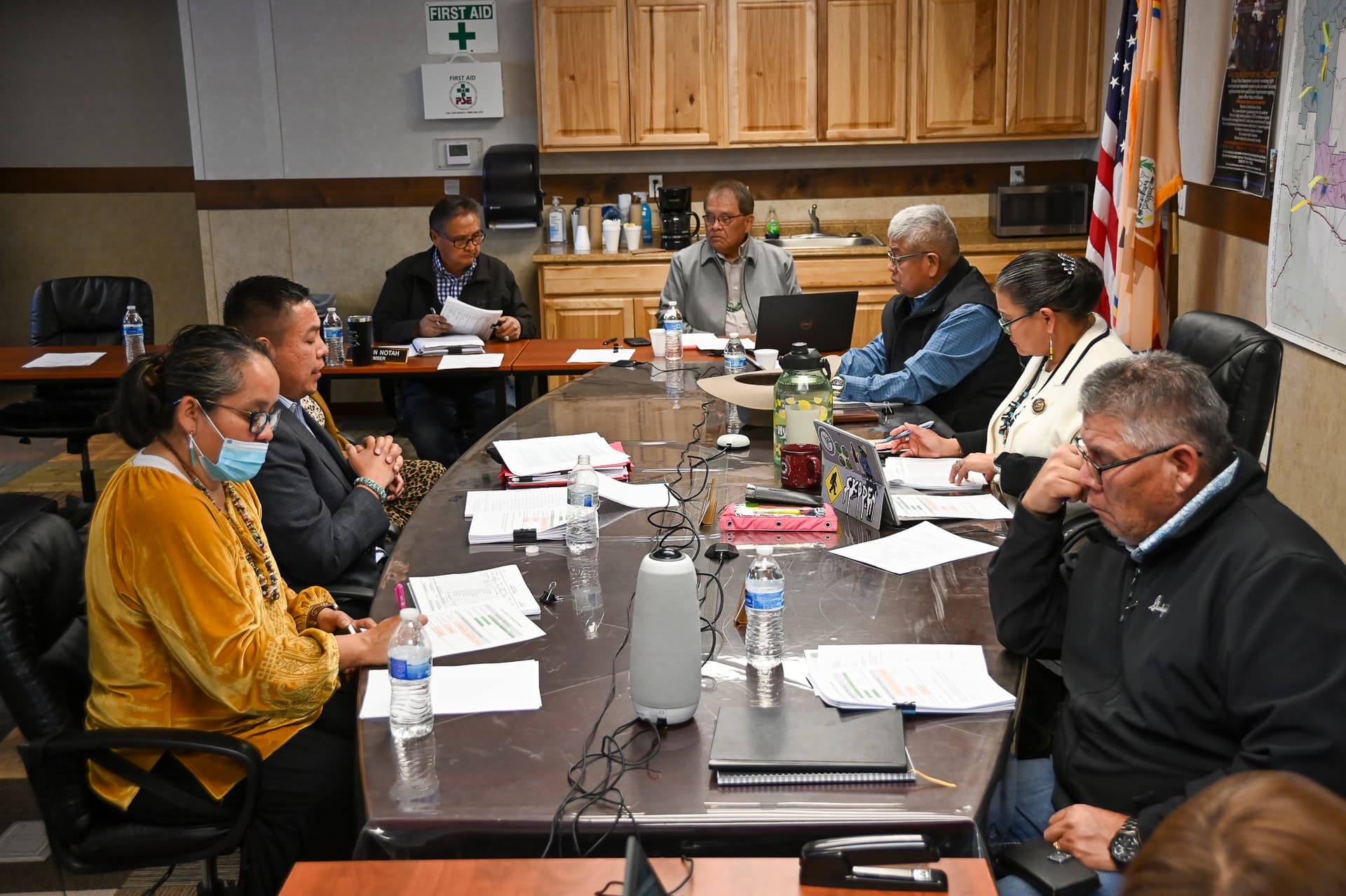
Navajo Nation leaders moved forward with a proposed reapportionment that could alter delegate districts and the balance of representation for communities that overlap Apache County. The measure, sponsored by first-term Council delegate Arbin Mitchell, formally submitted five alternative map illustrations for Council consideration and set the stage for adoption ahead of the 2026 general election.
Election officials completed months of public hearings and internal review before recommending three options to lawmakers. Interim Navajo Election Administration Executive Director Veronica Curley said the Navajo Board of Election Supervisors recommended Plans 5, 3 and 4 in that order of preference following a December work session with the Naabik’íyáti’ Committee. All five maps remain eligible for consideration under the legislation.
The proposed timetable would make the chosen plan operative beginning with the 2026 general election, meaning Council action must conclude in time for election administration to redraw precincts, update voter information, and prepare ballots. For Apache County residents who live within the Nation’s boundaries, shifts in district lines could change which delegate represents them, alter constituent service patterns, and influence future policy priorities at the Nation level.
Reapportionment traditionally responds to population shifts and aims to equalize representation across delegate districts. In practical terms, even modest boundary changes can affect electoral competitiveness, the ability of constituents to access elected officials, and how resources from tribal programs are allocated. Local leaders, community organizations, and voters in overlapping jurisdictions will need updated district maps to understand whether their representation has changed before candidate filing and early voting periods begin.
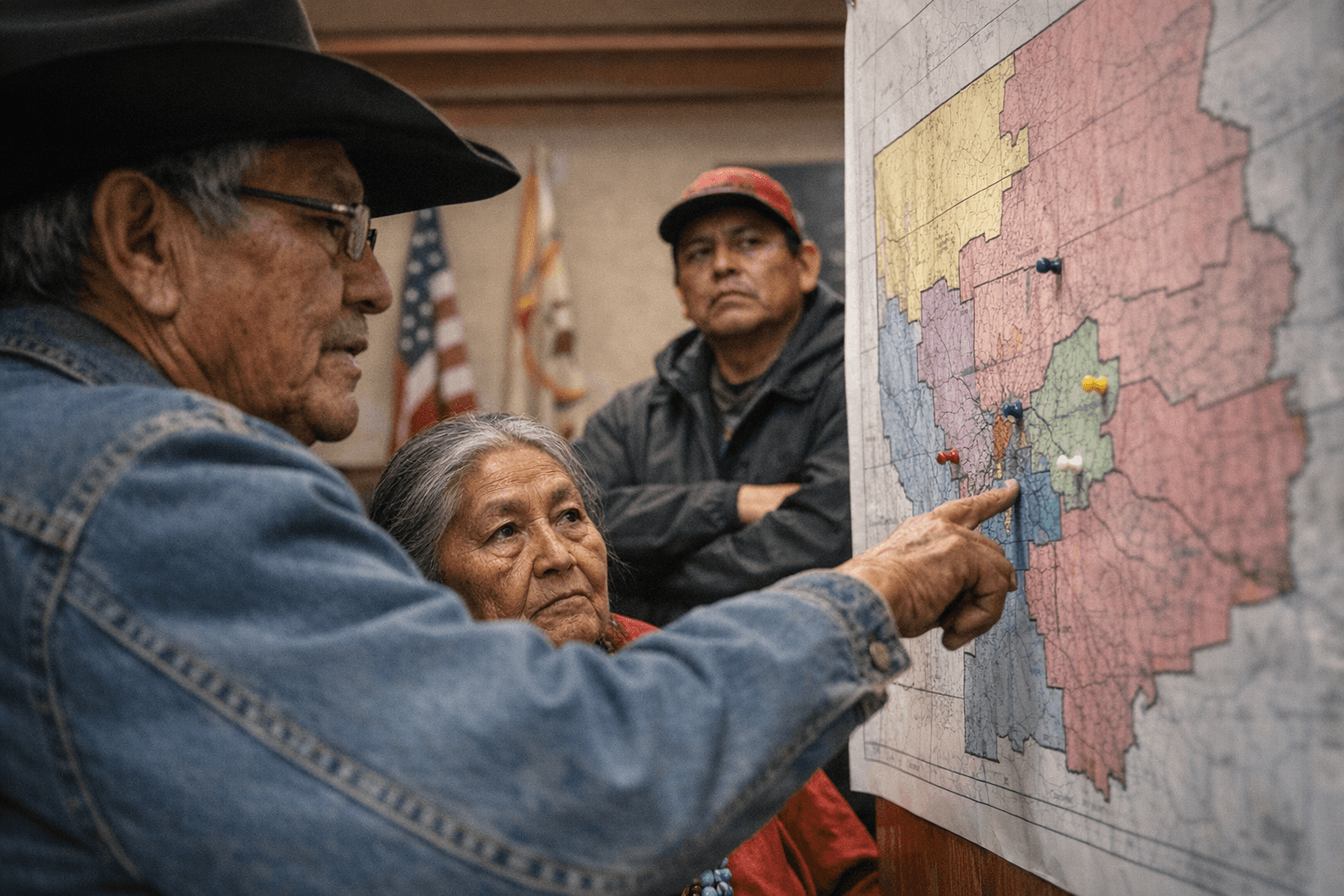
The Naabik’íyáti’ Committee’s involvement underscores the legislative review step in the Navajo Nation’s process for adopting a reapportionment plan. The Board of Election Supervisors’ recommendation followed public hearings that provided community input on the competing map options. With multiple maps still on the table, Council delegates will weigh competing priorities of geographic continuity, population equality, and community interests as they consider final approval.
For Apache County residents affected by the Navajo Nation’s boundaries, monitoring Council actions and the Navajo Election Administration will be essential. Final adoption of a plan will trigger administrative updates that determine polling places, district-based outreach, and the lines that will govern delegate contests in the 2026 cycle. Local voters and stakeholders should review official maps and notices once the Council reaches a decision to confirm any changes to representation and voting logistics.
Sources:
Know something we missed? Have a correction or additional information?
Submit a Tip