NC State Unveils 2026 Football Schedule, Opens in Rio vs Virginia
NC State published its 2026 football schedule Jan. 26; the Wolfpack will open Aug. 29 in Rio de Janeiro against Virginia, with a nine-game ACC slate shaping a season with major travel and local impacts.
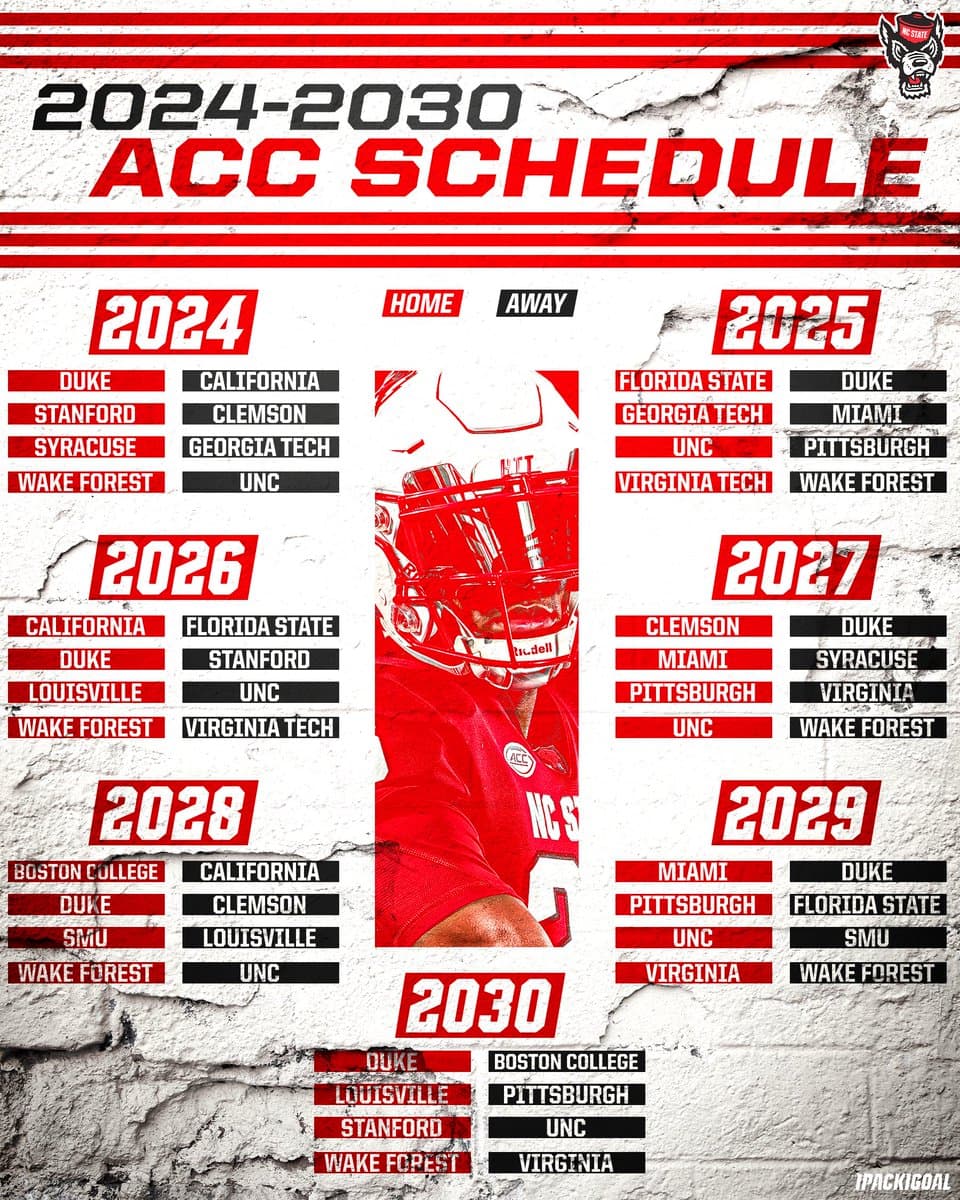
NC State will open the 2026 season Aug. 29 with a neutral-site game in Rio de Janeiro against Virginia, a rare international kickoff that puts the Wolfpack on a global stage while creating practical challenges for players, staff, and fans. The university published the official schedule Jan. 26, listing opponents, home and away designations, and stadium locations; kickoff times and television windows will be announced at a later date.
The slate mixes nonconference and Atlantic Coast Conference opponents. Nonconference matchups include Richmond, Vanderbilt on the road, and Appalachian State. ACC opponents on the schedule include Louisville, Wake Forest at home, Stanford on the road, California at home, Duke at home, Syracuse at home, Florida State on the road, and North Carolina on the road. The conference will operate under a nine-game ACC schedule for 2026, a structure that concentrates league play and increases the stakes for conference contests.
For Wake County, the schedule matters beyond wins and losses. Home dates against Wake Forest, California, Duke, and Syracuse mean predictable surges in visitors, hotel bookings, restaurant traffic, and transit demand around Raleigh on game weekends. Local small businesses and hospitality workers often rely on the economic boost from college football, but benefits are unevenly distributed. Affordable ticketing, accessible transportation, and public safety plans will determine whether those gains reach lower-income households and season-ticket holders who are long-time community members.
The Rio opener raises distinct public health and logistical issues. International travel for student-athletes and staff requires expanded medical planning, attention to vaccination and insurance coverage, and mental health support for young players coping with travel stress and time zone changes. For fans who may travel, access to reliable travel health information and clear guidance from the university will be essential to reduce preventable illness and ensure timely care if needed.

On the home front, larger crowds bring predictable public health considerations: crowding on transit, strain on emergency services, and the need for equitable access to facilities for fans with disabilities. City and county agencies, university officials, and stadium operators will need to coordinate on traffic control, first responder staffing, and harm reduction strategies to keep games safe and welcoming for families across Wake County.
What comes next for fans and community partners are ticketing details, kickoff times, and television windows, which the university will publish on its official schedule page along with stadium locations. As dates firm up, local leaders and residents will focus on ensuring that the economic opportunities from the 2026 season translate into accessible, safe, and healthy experiences for everyone in Wake County.
Sources:
Know something we missed? Have a correction or additional information?
Submit a Tip