NCERT to restore original Dancing Girl image after textbook backlash
NCERT said it will restore the original Dancing Girl in Class 9 arts textbooks after a shaded version sparked a backlash over censorship and historical accuracy.
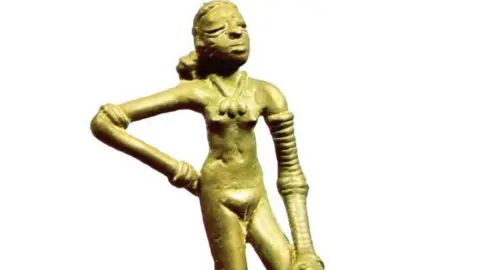
NCERT said it will restore the original image of the Indus Valley Civilisation’s Dancing Girl after the bronze figurine was shown with its bare torso shaded over in a new Class 9 arts textbook. The reversal turned one classroom illustration into a wider argument over who gets to define cultural heritage for children.
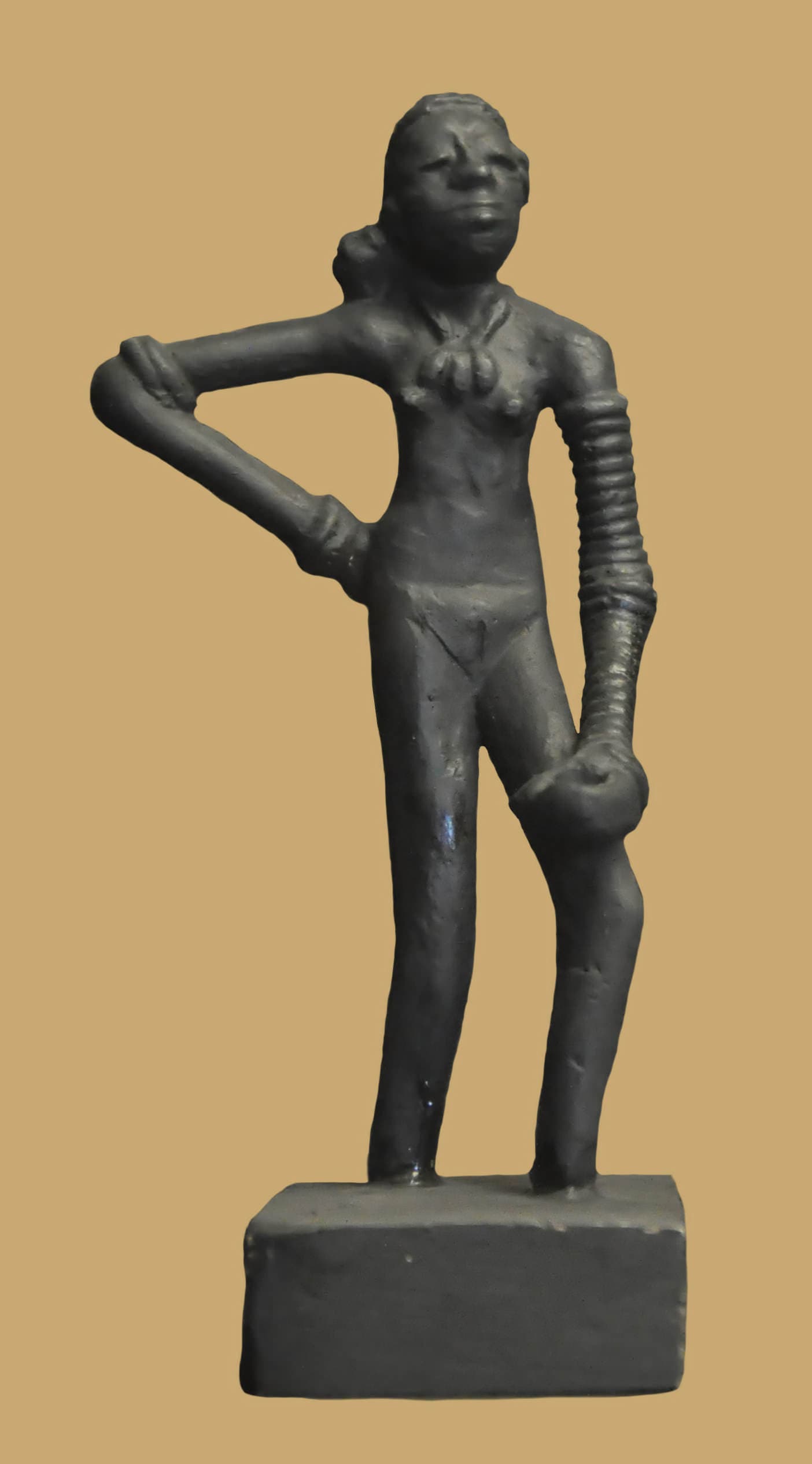
The image appeared in Madhurima, NCERT’s new Class 9 Arts Education textbook, in the opening chapter, “History of Arts.” The figure is the famous bronze Dancing Girl from Mohenjo-daro, commonly dated to around 2600 BCE, and critics said the altered version weakened the historical record rather than explaining it.
Historians and educationists objected sharply to the dark shading used to cover the figurine’s torso, saying the change amounted to censorship and distorted an artefact that is central to India’s ancient past. The backlash also revived a more basic dispute inside school publishing: whether textbooks should prioritize sensitivity, or whether they should preserve images as they are to give students an unfiltered account of history.
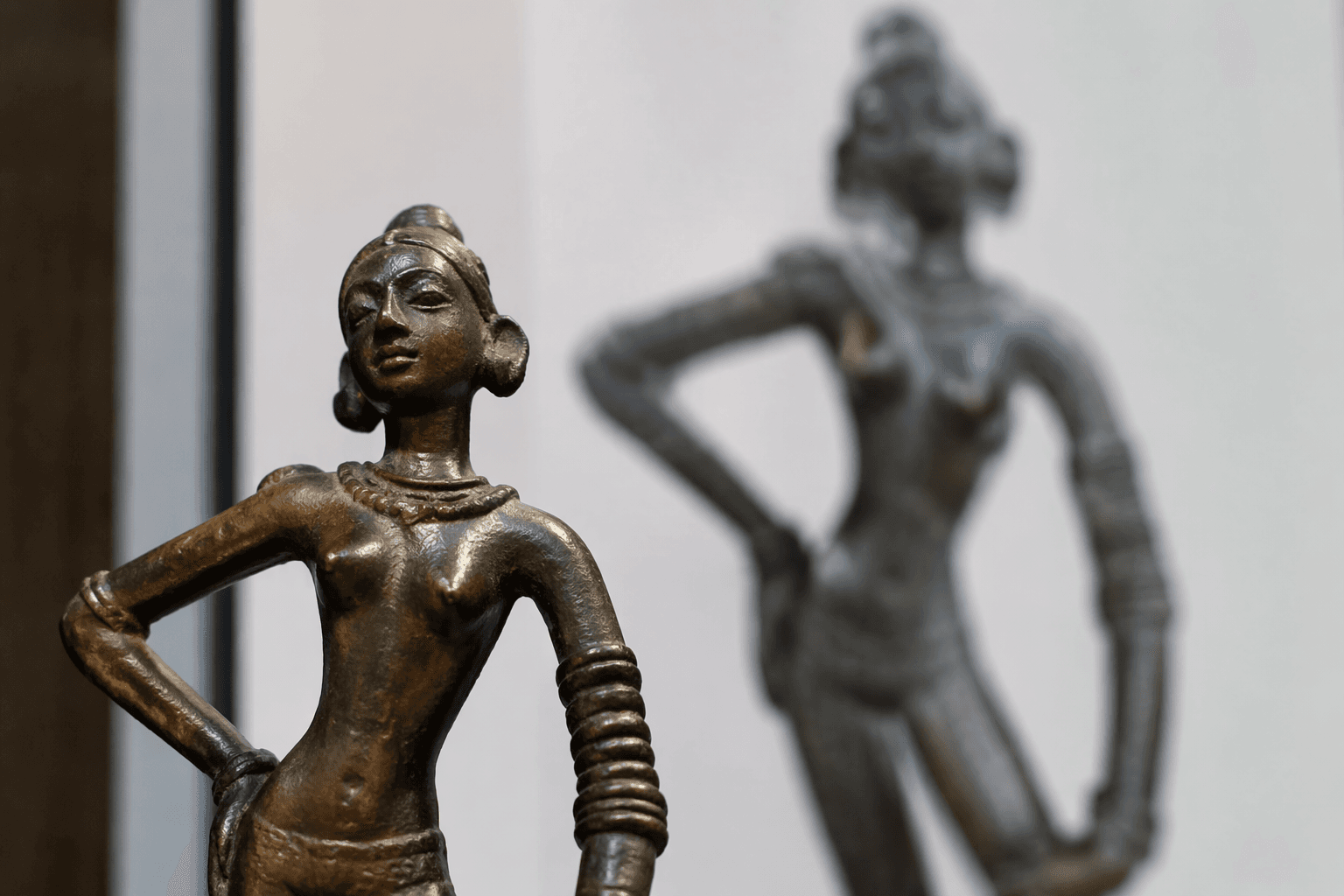
Educationist Michel Danino was among the public critics of the alteration. “If the Dancing Girl cannot figure as she is, and with proper dimensions, in a chapter on Indian art, then we have a serious problem,” he said.
NCERT Director Dinesh Saklani confirmed that the original image would be reinstated. The council said the change would be made in digital editions and in future print versions of the textbook, after the altered version drew criticism from historians and educationists.
The dispute spread quickly enough to draw the Education Ministry’s attention, after the shaded image in the Class 9 Arts Education textbook prompted demands for an explanation. It also sharpened scrutiny of NCERT’s handling of textbook revisions and expert consultation, especially as the council’s digital textbook portal means the same material reaches students in both online and printed form.
For schools, the issue went beyond a single artefact. The restoration of the original Dancing Girl became a test of who controls the story of India’s past in the classroom: educators trying to contextualize it, officials trying to regulate it, or public pressure forcing the final word.
This article was produced by Prism’s automated news system from verified source data, official records, and press releases, then run through automated quality and moderation checks before publishing. The system is built and supervised by the people who set the standards it runs under. Read our full AI policy.
Did this article answer your question?


