Nearly 5,000 White South African Afrikaners Resettled in U.S. Under Trump Program
Nearly 5,000 Afrikaners arrived in the U.S. in a single fiscal year while only 3 Afghan refugees were admitted under the same program.
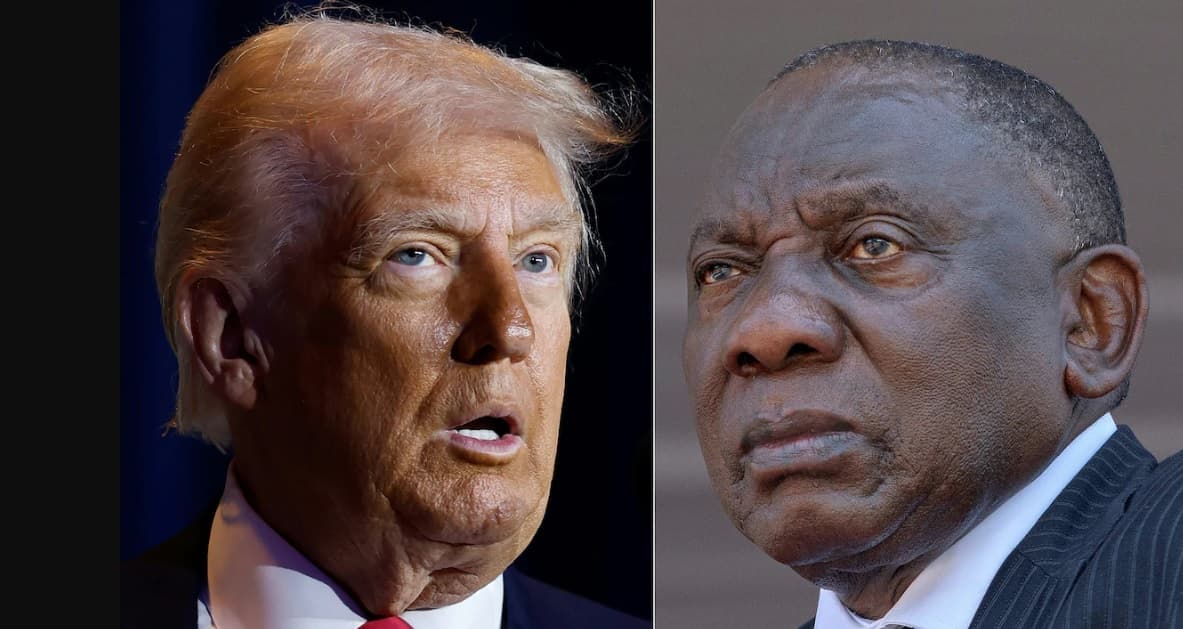
A confidential document reviewed by AFP reveals that 4,499 South African Afrikaners were resettled across 48 U.S. states between October 1, 2025 and March 31, 2026, a surge driven by an executive order that redirected a refugee admissions program already reduced to its lowest cap in American history toward a single ethnic group from a middle-income country facing no active war.
The legal engine behind the program is Executive Order 14204, signed by President Trump on February 7, 2025 and titled "Addressing Egregious Actions of the Republic of South Africa." The order directed the Secretaries of State and Homeland Security to prioritize admission and resettlement through the United States Refugee Admissions Program for Afrikaners who are, in the administration's framing, "victims of unjust racial discrimination." That designation tied the program to South Africa's Expropriation Act and Trump's broader accusations of state-sponsored persecution, allegations the South African government has consistently rejected as misinformation.
The FY 2026 refugee admissions ceiling was set at 7,500, with slots to be "primarily allocated among Afrikaners from South Africa pursuant to Executive Order 14204." That ceiling is the lowest level in U.S. history, a sharp reduction from prior levels that regularly exceeded 100,000. The practical consequence is stark: the AFP document shows only three Afghans were admitted under the same program during the same six-month window, arriving in Colorado in November 2025. Arrivals accelerated sharply into the new year, with February and March 2026 each exceeding 1,300 persons. An additional 340 South Africans had entered in the prior fiscal year, bringing the total to nearly 4,840 since the program began.
The geographic distribution is wide. More than 500 South African refugees were resettled in Texas, with Florida and California receiving the next largest numbers. Families have also arrived in Idaho, where the resettlement is being aided through the Preferred Communities program, and Boise pastor Ben Cremer described the situation as "both a confusing and a divisive effort." Nick Armstrong, who runs Glocal Community Partners, a local nonprofit supporting refugees in the Treasure Valley, said: "We need to prioritize those who are most in danger."
Those resettled receive the full suite of benefits attached to official refugee status: the U.S. federal government's grant of Afrikaner refugee status provides them with a pathway to U.S. citizenship and eligibility for government benefits.

The program's vetting architecture differs meaningfully from how most refugee populations have historically been processed. The UNHCR has not designated Afrikaners as a group warranting refugee status and has not been involved in determining their refugee status or vetting them for U.S. resettlement. That deviation from standard USRAP procedure, in which UNHCR referral typically anchors the eligibility process, has drawn sustained criticism from immigration scholars and refugee advocates who argue the program substitutes ideological preference for humanitarian need.
Diplomatic friction has deepened the controversy. South African authorities raided a U.S.-run refugee processing center in Johannesburg, arresting seven Kenyan nationals for working there illegally alongside U.S. officials despite entering South Africa on tourist visas. Washington protested the raid. South Africa's government has said the U.S. claims over the persecution of Afrikaners are based on misinformation and that white South Africans don't meet the criteria for refugee status.
Congressional Democrats have asserted that President Trump did not consult with Congress prior to issuing the Presidential Determination for fiscal year 2026, in violation of legal requirements mandating consultation. Whether the program survives that legal challenge, and whether future fiscal years maintain the same priority, will shape both U.S.-South Africa relations and the broader precedent for how the refugee system can be steered toward identity-based selection at the expense of need-based humanitarian triage.
This article was produced by Prism’s automated news system from verified source data, official records, and press releases, then run through automated quality and moderation checks before publishing. The system is built and supervised by the people who set the standards it runs under. Read our full AI policy.
Did this article answer your question?

