Nebius and DataOne Vineland Campus for Microsoft Raises Local Water, Power Concerns
Vineland officials proposed a $6.2 million loan to Nebius/DataOne as the AI data center moved into phase two, stoking resident backlash over a 300-megawatt facility and its local impacts.
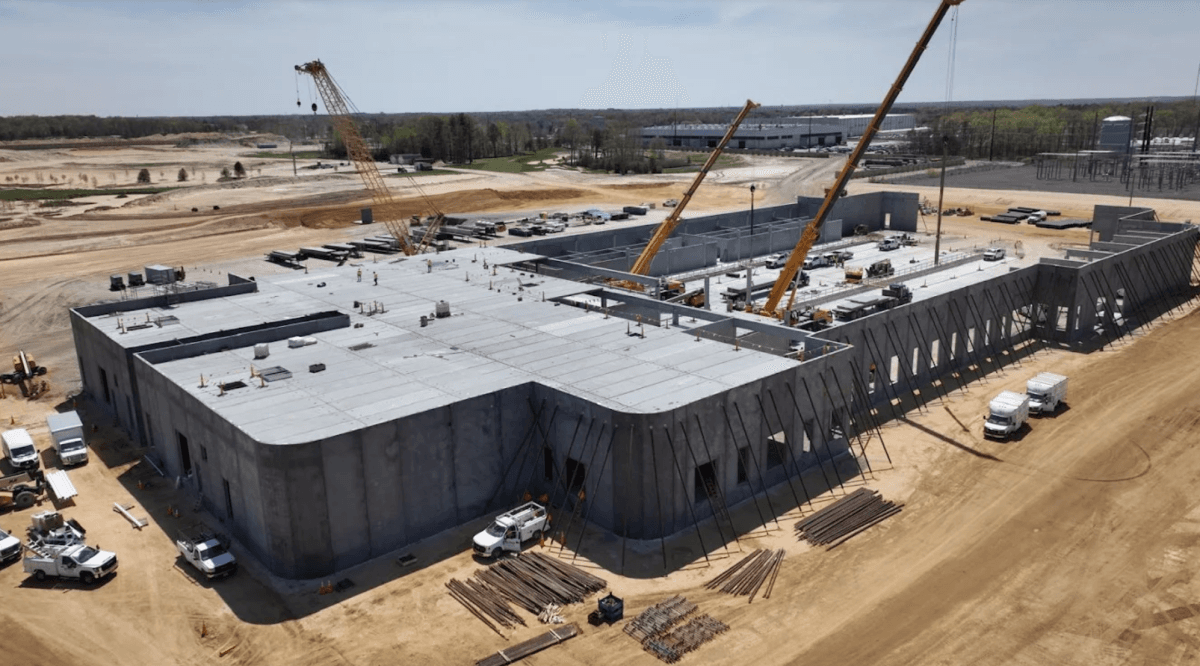
Vineland’s mayor and city council proposed a $6.2 million loan to Amsterdam-based Nebius Group and construction partner DataOne late in 2025, prompting residents to demand answers as the AI data center campus advanced into phase two. The proposal provoked vocal opposition after construction accelerated in 2025 and officials began discussing public support for a private project located inside Cumberland County.
Nebius and DataOne are building an AI-focused campus in Vineland that sources various reports describe as between 2.4 million and 2.6 million square feet, with planned computing capacity of up to 300 megawatts. One report ties the project to a $17.4 billion, five-year deal to supply dedicated computing power to Microsoft and says the facility will support tools such as Copilot. Developers tell partners the site will use air-cooling and behind-the-meter gas-fired generators rather than water-intensive liquid cooling, but that technical design has not been publicly standardized across all accounts.
Construction began after the project was announced in March 2025 and progressed rapidly: a November 2025 account said phase one was underway, a January 10, 2026 industry brief reported the first phase finished in an “exceptionally fast 20 weeks,” and a February 26, 2026 update stated phase one was complete with phase two under way. A January 21, 2026 town hall at the Landis Theater drew a “heated” crowd of Vineland residents who raised environmental and quality-of-life concerns during public comment, underscoring how quickly local reaction followed the loan proposal.
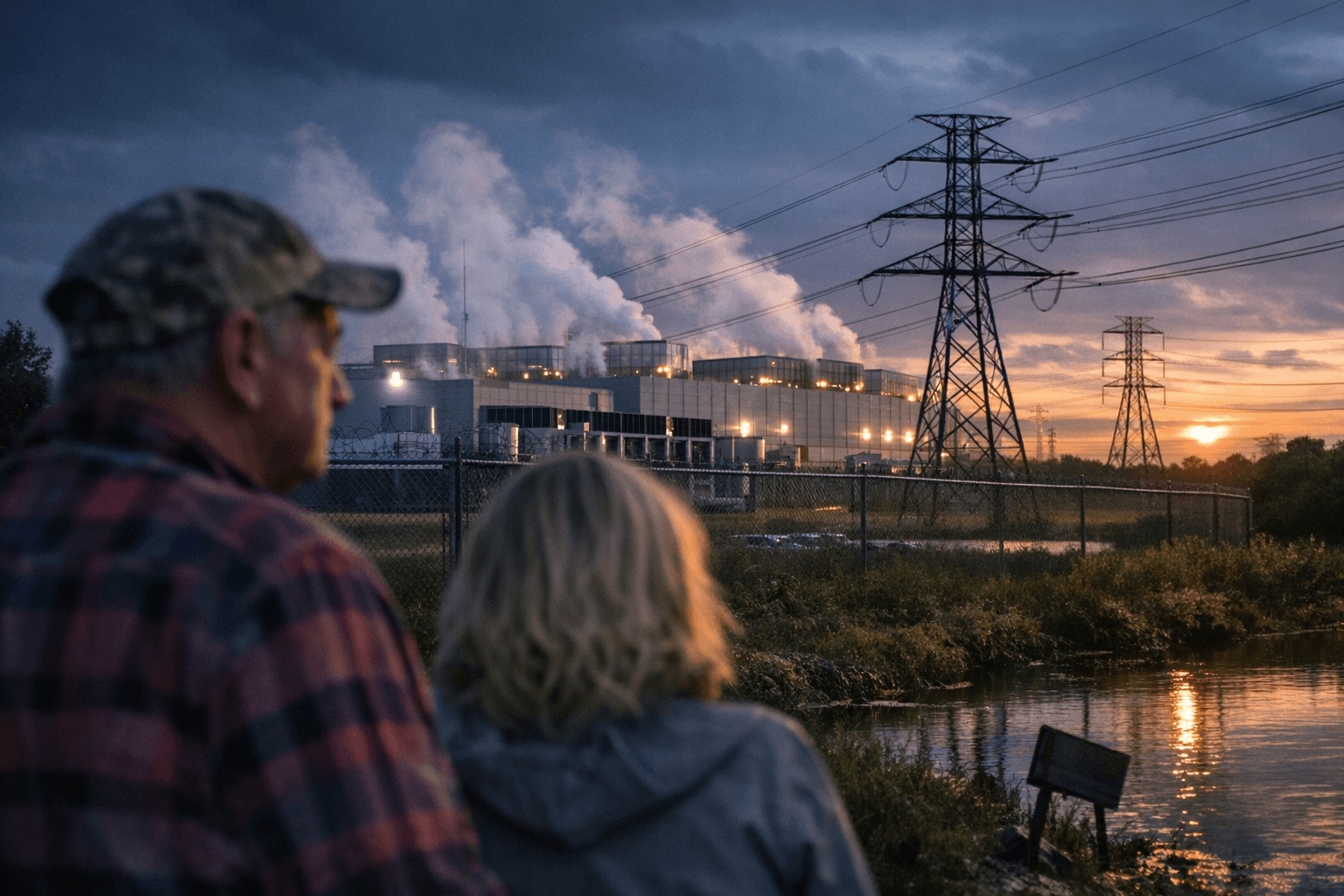
Energy and water pressures are central to local debate. The facility’s 300-megawatt design has been described as “nearly double the current power usage of the entire city of Vineland,” a comparison that residents and planners say demands clarity on where electricity and on-site gas generation will be sourced and permitted. Statewide policy actions have echoed that concern: a June 2025 bill would have required quarterly energy and water use reporting to the New Jersey Board of Public Utilities, but Governor Phil Murphy vetoed the measure in October 2025, leaving a regulatory gap that opponents cite at town meetings.
Economic claims for the campus center on “hundreds” of temporary and permanent jobs during construction and operations, including electricians, HVAC technicians, IT roles, maintenance, logistics, and site managers. Local advocates and Rutgers–Camden students have been told the project could create construction work and longer-term tech opportunities, while critics point to environmental tradeoffs and the use of public dollars. Vineland’s site also figures in Nebius’s U.S. expansion: the company previously rented server space and energy infrastructure in a Patmos-owned facility at 1601 McGee St. in Kansas City and plans a large campus in Independence, Missouri, a move one industry voice, Coulter, said “sets the precedent for all the future projects, no matter where they are.”
With roughly eighty other data centers already in New Jersey, Vineland officials are now facing decisions on loan terms, permits, and public disclosure as phase two proceeds. Municipal records, building permits, and state air and water approvals will determine whether the proposed loan and the facility’s gas-fired generation and cooling strategy meet local standards while delivering the jobs and tax benefits promoters have promised.
Know something we missed? Have a correction or additional information?
Submit a Tip