Nebraska wildfire season shatters record, destroys 11,000-acre ranchland in Sandhills
Nebraska’s biggest wildfire ever burned through Mike and Kayla Wintz’s 11,000-acre Sandhills ranch as the state’s burned acreage neared 945,381.
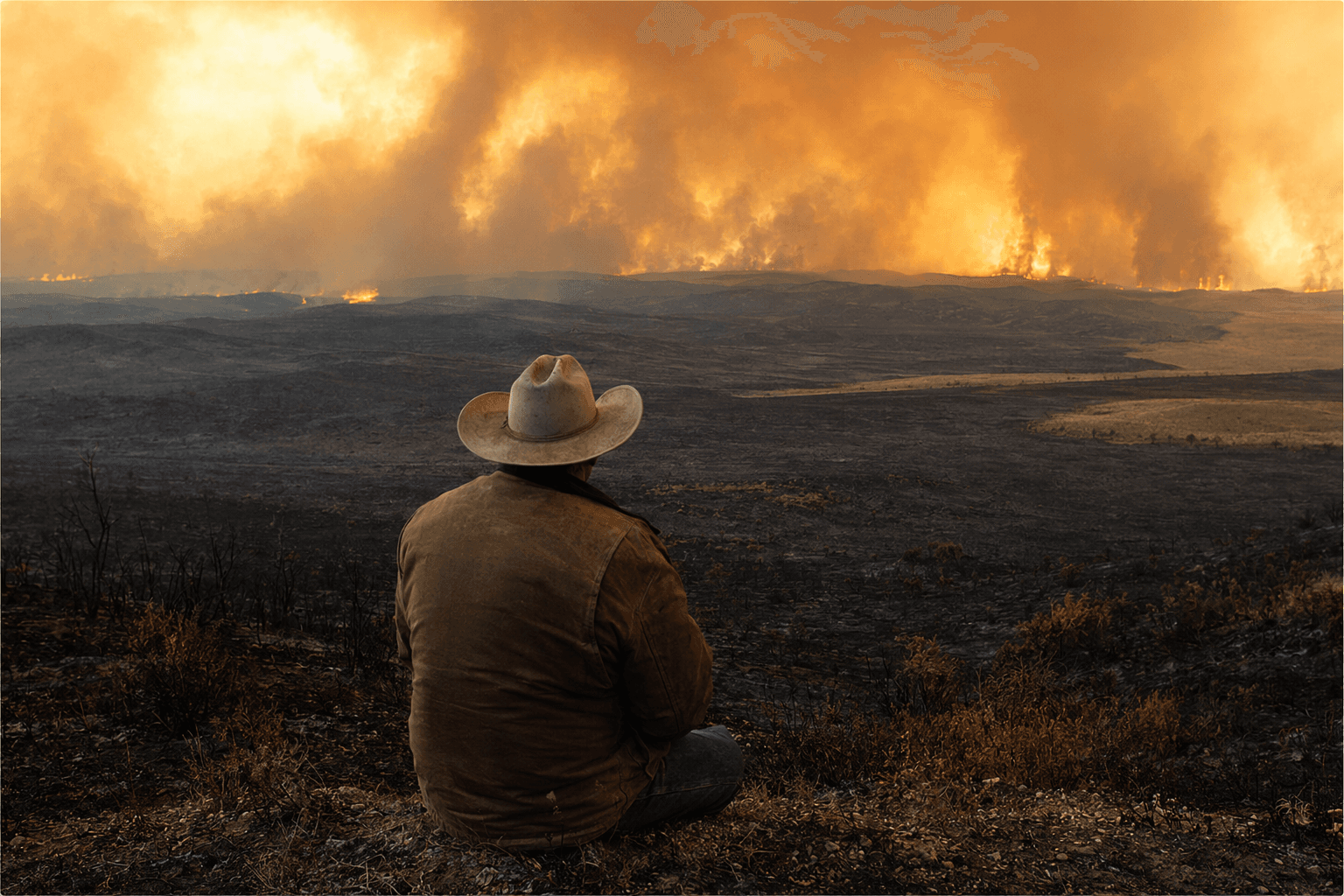
The largest wildfire in Nebraska history tore through the Wintz family’s 11,000-acre ranch near Bingham, leaving a charred stretch of Sandhills ground where Mike and Kayla Wintz had built their cow-calf operation over 21 years.
In ranch country, “lost everything” means more than a burned field. It means the grassland that feeds cattle, the fences that hold a herd together, the feed and equipment needed to move animals, and the working acres that make a ranch usable in the first place. The fire arrived in the middle of calving season, when ranchers are already stretched thin, and Wintz said the stress cost him calves.
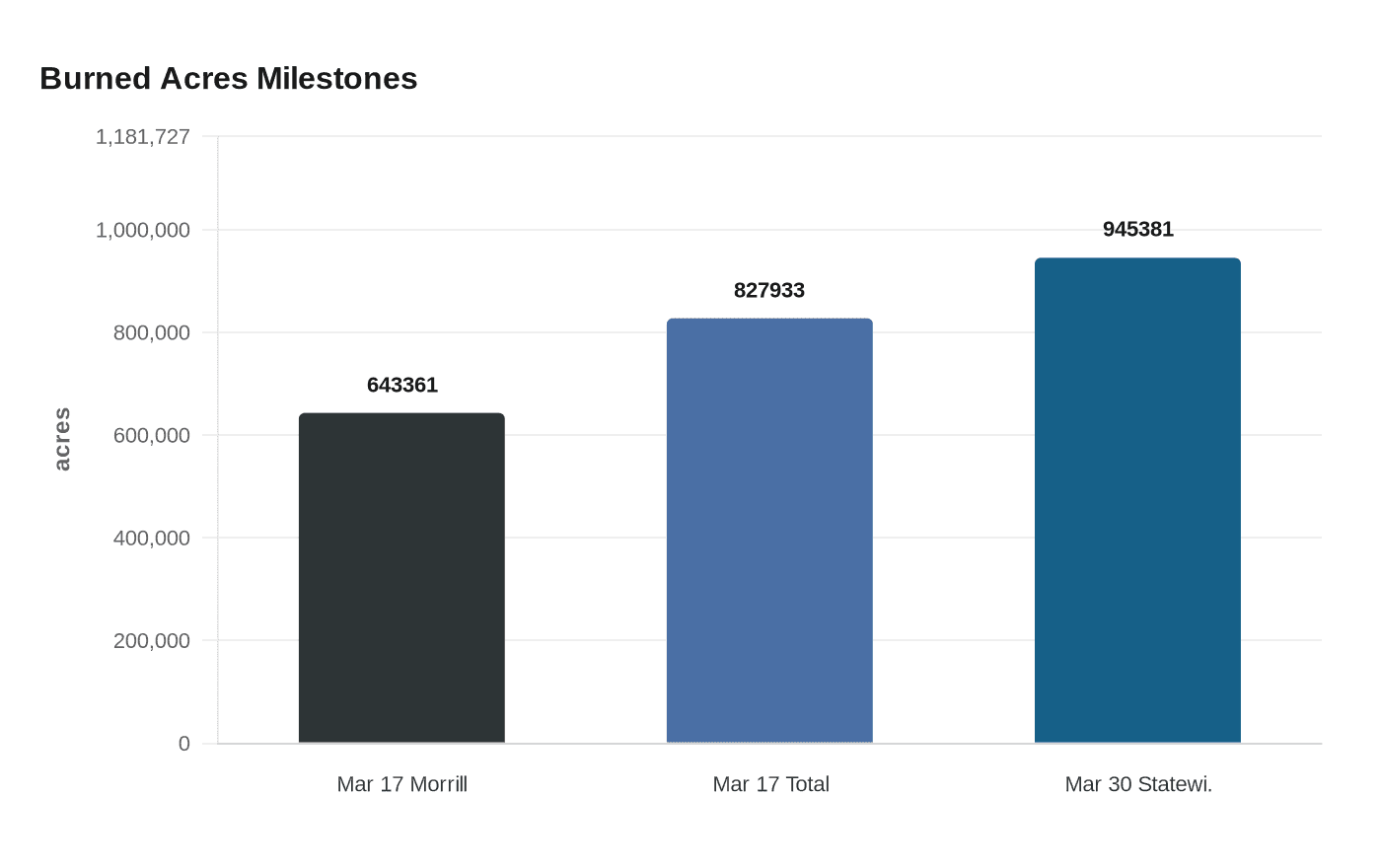
The scale of the disaster kept growing. By March 17, the Nebraska State Climate Office said the Morrill Fire alone had burned 643,361 acres, already past the state’s previous annual record. With the Cottonwood, Road 203 and Anderson Bridge fires, the total had reached 827,933 acres. By March 30, the Nebraska Emergency Management Agency estimated about 945,381 acres had burned statewide, surpassing the 2012 record year.
The Wintz ranch sat in the Sandhills, where about half of Nebraska’s 23 million acres of range and pasture land are located. A University of Nebraska-Lincoln rangeland and fire ecologist has described the region as containing the most intact temperate grassland on the planet, which makes each burned acre more than a family loss. It is a loss to a beef state that ranked first in the nation for beef and veal exports in 2024, at $1.66 billion.
The fires came after an unusually warm, dry winter and a long drought. Morrill County had been in at least abnormal dryness since October 2024 and was in extreme drought in March 2026, while more than 96% of Nebraska was in abnormal dryness or worse. That dryness turned a dangerous fire season into a statewide crisis.
Mike Wintz was nearly four miles away fighting the Morrill Fire when he heard over the radio that flames were headed toward his home. Neighbors and other firefighters helped stop the blaze from consuming the house, but the ranch damage was already done.
Help moved almost as quickly as the fire. Nebraska Cattlemen opened its Disaster Relief Fund on March 16, accepting monetary donations and applications from producers affected by the fires, with 100% of donations promised to impacted producers and no membership requirement. Disaster declarations were issued for the Morrill County fire, affecting Morrill, Garden, Arthur and Keith counties, and for the Cottonwood Fire, affecting Lincoln, Dawson and Frontier counties. A separate Nebraska Sandhills Ranchers Relief Fund and a Nebraska Department of Agriculture hay-and-forage hotline also emerged to steer aid where burned pasture left cattle short of feed.
Anonymous donors from across the country stepped in, and FNBO added $150,000 on April 30 for wildfire relief, split among four organizations including the Nebraska Cattlemen Disaster Relief Fund. In a state where about 92% of fire departments are volunteer-based, the recovery now depends on the same rural network of neighbors, local institutions and donated dollars that kept more of the Wintz home from burning.
This article was produced by Prism’s automated news system from verified source data, official records, and press releases, then run through automated quality and moderation checks before publishing. The system is built and supervised by the people who set the standards it runs under. Read our full AI policy.
Did this article answer your question?