Nedra Talley Ross, last surviving Ronettes member, dies at 80
Nedra Talley Ross, who helped shape the Ronettes’ sound and image, died Sunday at 80, closing the final chapter on the group’s original trio.
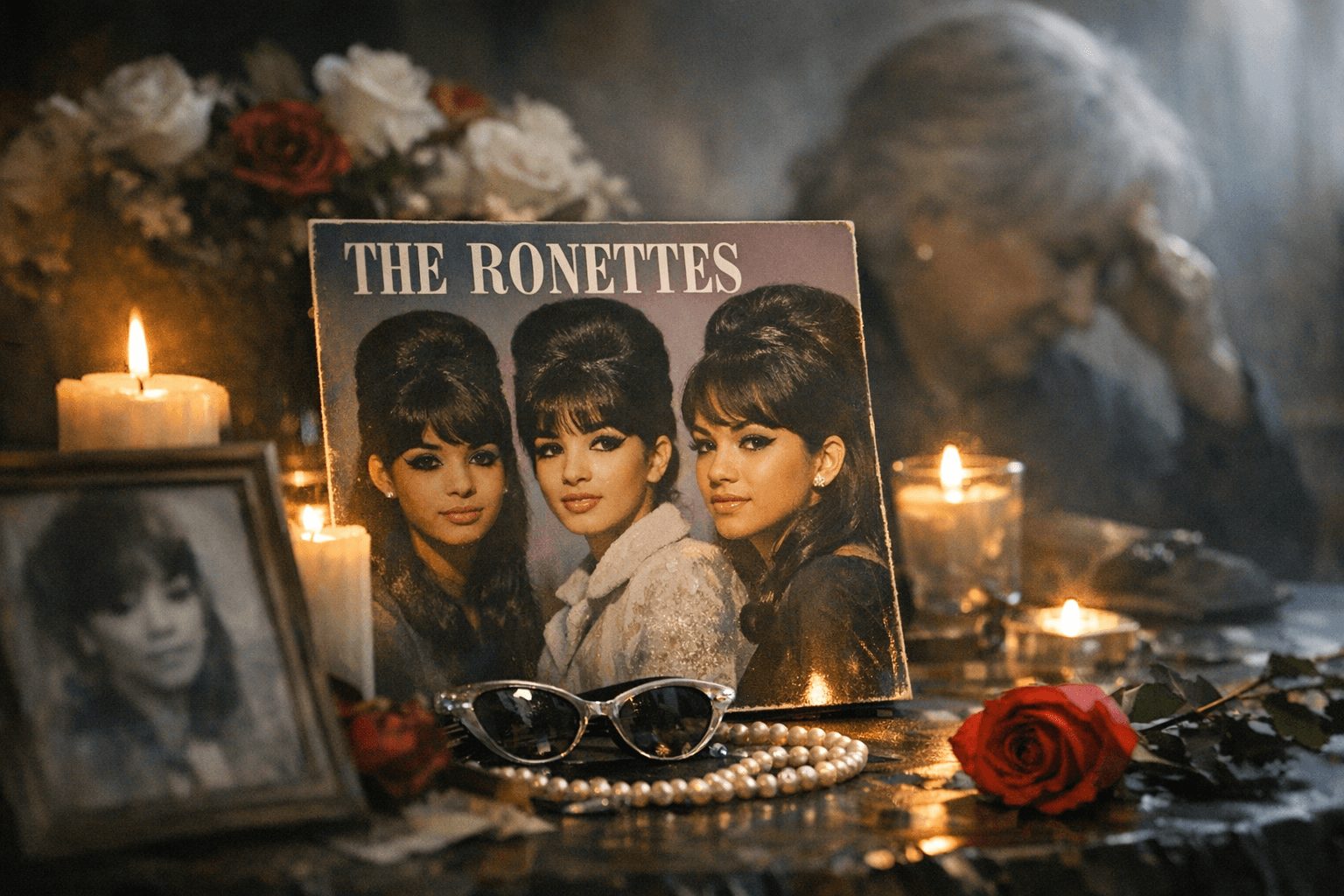
Nedra Talley Ross, the last surviving original member of the Ronettes, died on April 26, 2026, at age 80, ending the life of one of the defining voices behind the 1960s girl-group sound. Her daughter, Nedra K. Ross, announced the death in a Facebook post the same day, saying the family believed she had gone home to be with the Lord at about 8:30 a.m. Sunday.
Talley Ross stood at the center of a trio that helped define American pop from New York City outward. The Ronettes formed in 1959 with Talley, Ronnie Spector and Estelle Bennett, cousins and collaborators whose harmonies, look and attitude gave the group a sharper edge than many of their contemporaries. They were part of a generation of Black girl groups that expanded the reach of pop music, shaping style, vocal arrangement and the commercial grammar of the modern hit single.
Their signature song, “Be My Baby,” released in 1963, became the Ronettes’ most durable calling card and one of the most recognized records of the era. The Library of Congress added it to the National Recording Registry in 2006, and the Rock & Roll Hall of Fame inducted the Ronettes in 2007. The Hall of Fame has described the group as a classic girl group with a tough, sexy twist, an image that reflected how the Ronettes broke from the more polished mold of earlier pop acts.

Talley Ross’s death leaves no surviving original Ronette. Ronnie Spector died in 2022, and Estelle Bennett died in 2009. That finality sharpens the larger question her death raises: how much of pop history is preserved by the people who made it, and how much is lost when credit is scattered across producers, executives and later retellings. The Ronettes’ story has long been tied to the sound of 1960s pop, but it is also a story about authorship, visibility and the fragile way cultural memory is handed down.
Talley Ross’s role was never secondary to that legacy. Her voice, style and presence helped give the Ronettes their identity, and with her death, a direct link to the original trio is gone. What remains is the music, the influence and a place in American popular culture that can no longer be separated from the women who built it.
This article was produced by Prism’s automated news system from verified source data, official records, and press releases, then run through automated quality and moderation checks before publishing. The system is built and supervised by the people who set the standards it runs under. Read our full AI policy.
Know something we missed? Have a correction or additional information?
Submit a Tip