Nestle to remove artificial food colours worldwide by 2026 end
Nestle plans to strip artificial colours from every product worldwide by end-2026, after finishing the same cleanup in its U.S. portfolio in June.
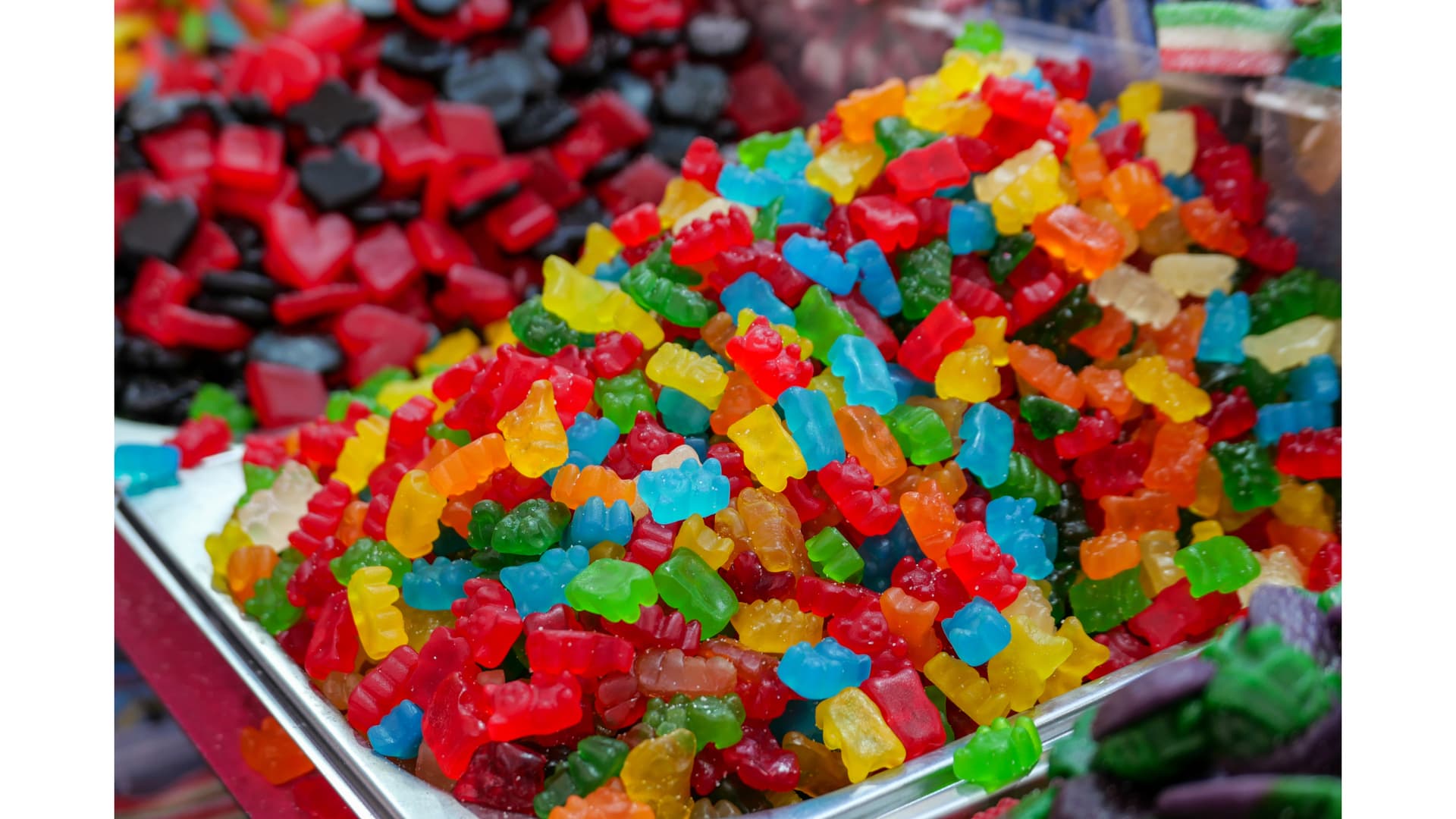
Nestle plans to remove artificial food colourings from every product it sells worldwide by the end of 2026, a move that would make it the first major food company to set a global deadline for the change. On June 15, 2026, Nestlé USA fully eliminated FD&C colors from its food and beverage portfolio.
On June 25, 2025, more than 90% of Nestlé USA’s U.S. portfolio already did not include synthetic colors, and the remaining colours were to be removed within 12 months. The new global target extends that effort beyond the American market to Nestle’s international brands, where recipes, suppliers and consumer expectations vary widely.
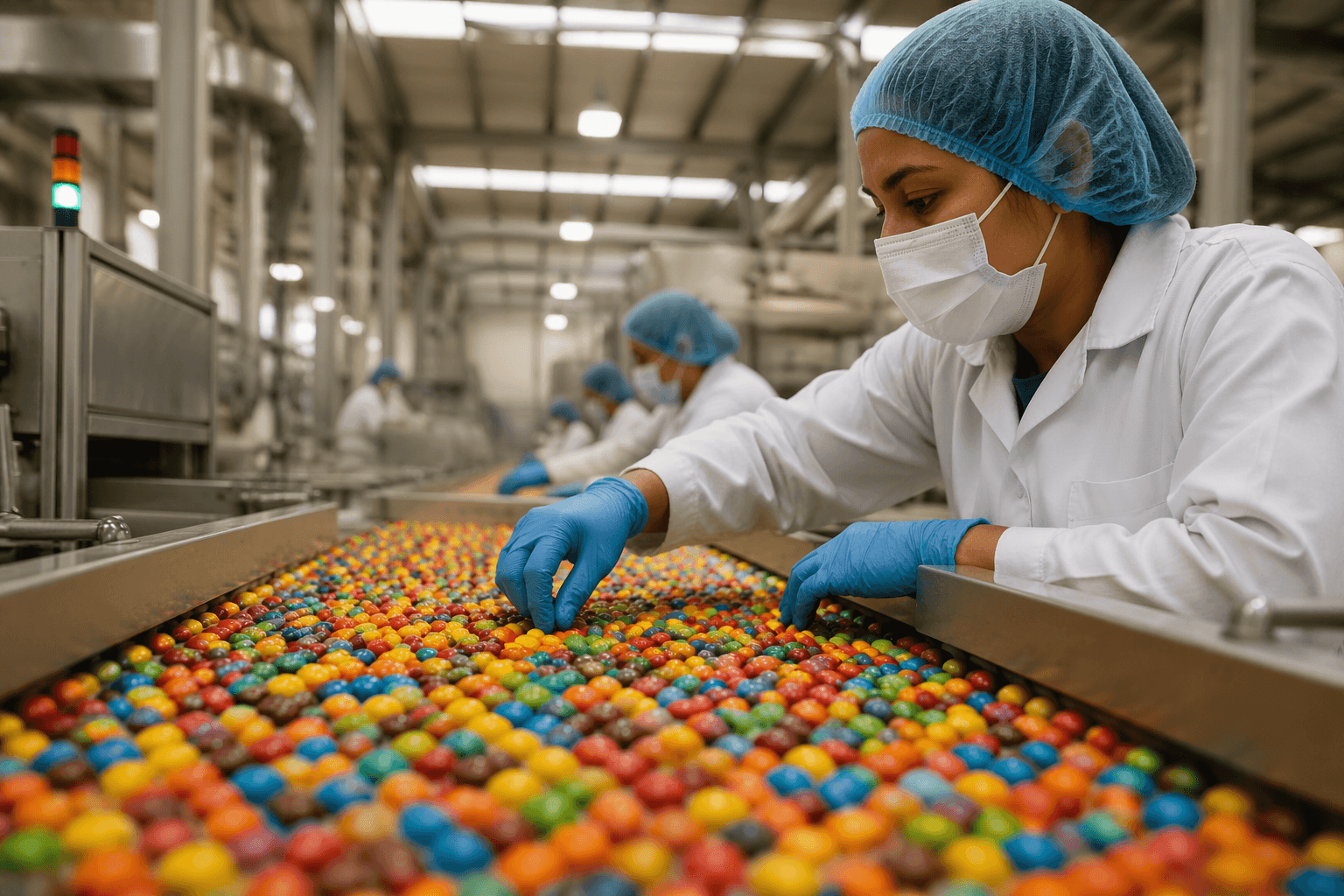
Stefan Palzer, Nestle’s technology chief, expected the company to have “the global Nestle portfolio free of artificial colours” by year-end. He called the transition “not a slam-dunk” because the company had to screen natural alternatives, test them in production and make sure they survived storage and distribution without damaging taste, appearance or shelf life.
On April 22, 2025, the U.S. Department of Health and Human Services and the Food and Drug Administration announced steps to phase out petroleum-based synthetic dyes from the food supply and set a national standard and timeline for industry to move toward natural alternatives. A year later, on April 22, 2026, the FDA allowed companies to use “no artificial colors” claims when products do not contain petroleum-based colors.
FDA regulations require evidence that a color additive is safe at its intended level of use before it can be added to foods, while the European Food Safety Authority requires each authorised food colour in the European Union to undergo a rigorous scientific safety assessment. FDA internal materials also ask whether the latest science establishes a link between FD&C color additives and adverse effects on behavior in children, and California’s 2021 review found synthetic food dyes can cause hyperactivity and other neurobehavioral issues for some children.
This article was produced by Prism’s automated news system from verified source data, official records, and press releases, then run through automated quality and moderation checks before publishing. The system is built and supervised by the people who set the standards it runs under. Read our full AI policy.
Did this article answer your question?