Netanyahu faces backlash after Trump urges Israel to halt strikes
Netanyahu faced a sovereignty backlash after Trump urged Israel to stop strikes, as Bennett and Lapid accused him of yielding control to Washington.

Benjamin Netanyahu is facing a fresh domestic backlash after Donald Trump pressed Israel to halt further strikes, turning the conflict with Iran and Hezbollah into a test of who really controls Israeli military decisions. The criticism cuts to a sensitive political line for Netanyahu, who has long cast himself as the leader best able to manage Washington, only to find himself accused of letting the White House set the limits of Israeli action.
The dispute sharpened after Iran fired about 10 missiles at northern Israel on June 7, its first direct attack on Israel since a fragile April ceasefire. The strike followed an Israeli attack on Hezbollah headquarters in Beirut’s southern Dahiyeh suburb, and Trump then urged both sides to stop shooting. He reportedly told Netanyahu not to retaliate further, warning that another Israeli escalation could derail talks with Tehran that he said were close to producing a deal.
Trump held a second call with Netanyahu after the exchange intensified, pressing him more forcefully to call off additional strikes as U.S. officials worried the fighting could slide back toward all-out war. Israel’s military chief, Lt. Gen. Eyal Zamir, said the Israel Defense Forces were ready to strike back but were waiting for political approval. Netanyahu said Israel would halt attacks “for now,” while warning that it would strike Iran and Hezbollah again if attacked.
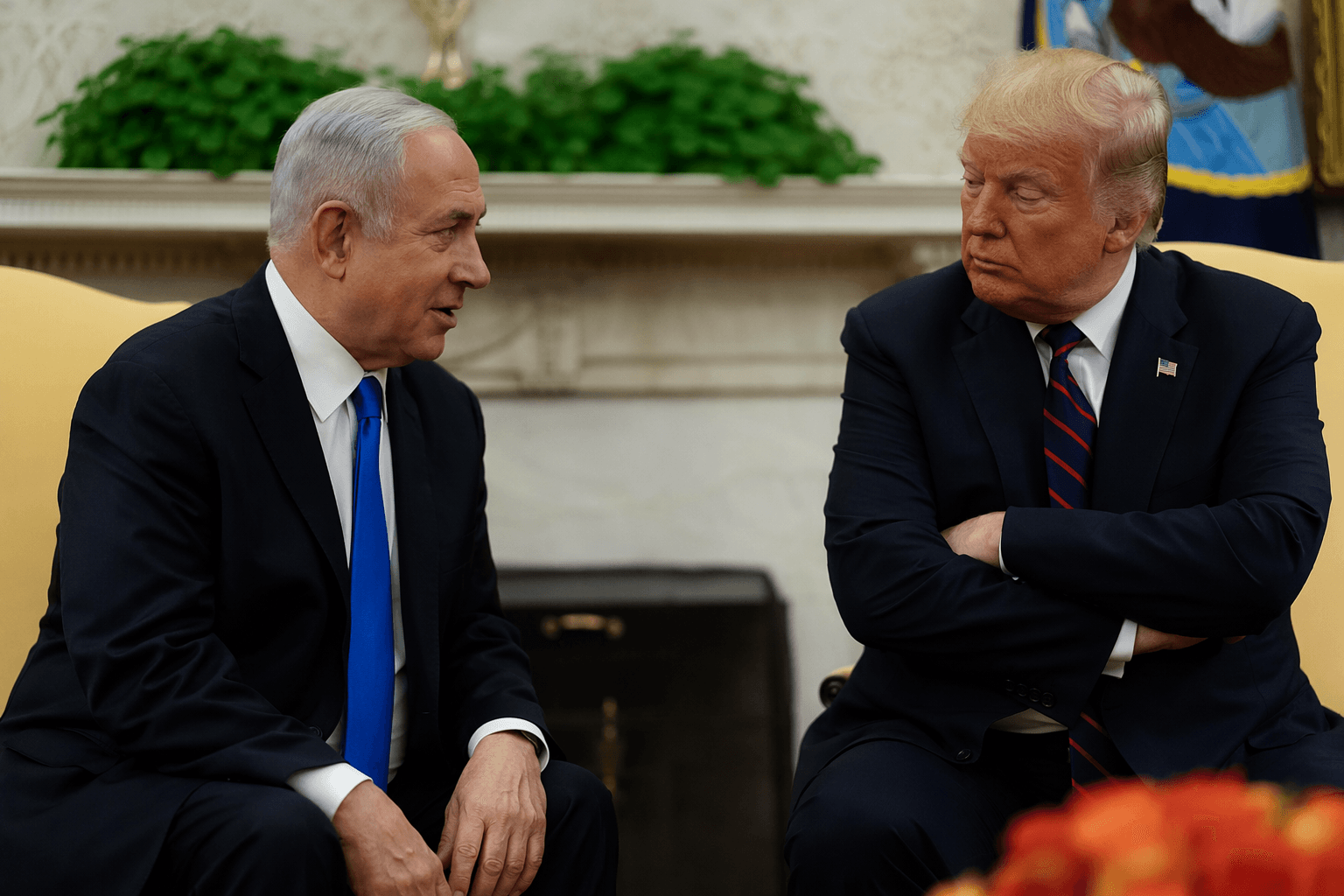
The backlash was already building before the latest flare-up. On June 2, Netanyahu drew criticism after Trump declared that Israel would halt plans to attack Hezbollah in Beirut. Naftali Bennett said Netanyahu’s government had “lost control of Israeli sovereignty,” and Yair Lapid called it a “full protectorate.” For Netanyahu’s rivals, the issue was not only strategy but authority: whether Israel was coordinating with Washington or being overruled by it.
The political damage is magnified by the timing. Polls have shown Netanyahu’s coalition under strain, and the next Knesset election is approaching within months, making any perception of lost autonomy especially costly. The leak of a heated exchange between Trump and Netanyahu only deepened that impression, with Israeli officials saying some in Netanyahu’s circle believed it had hurt him politically ahead of the vote.
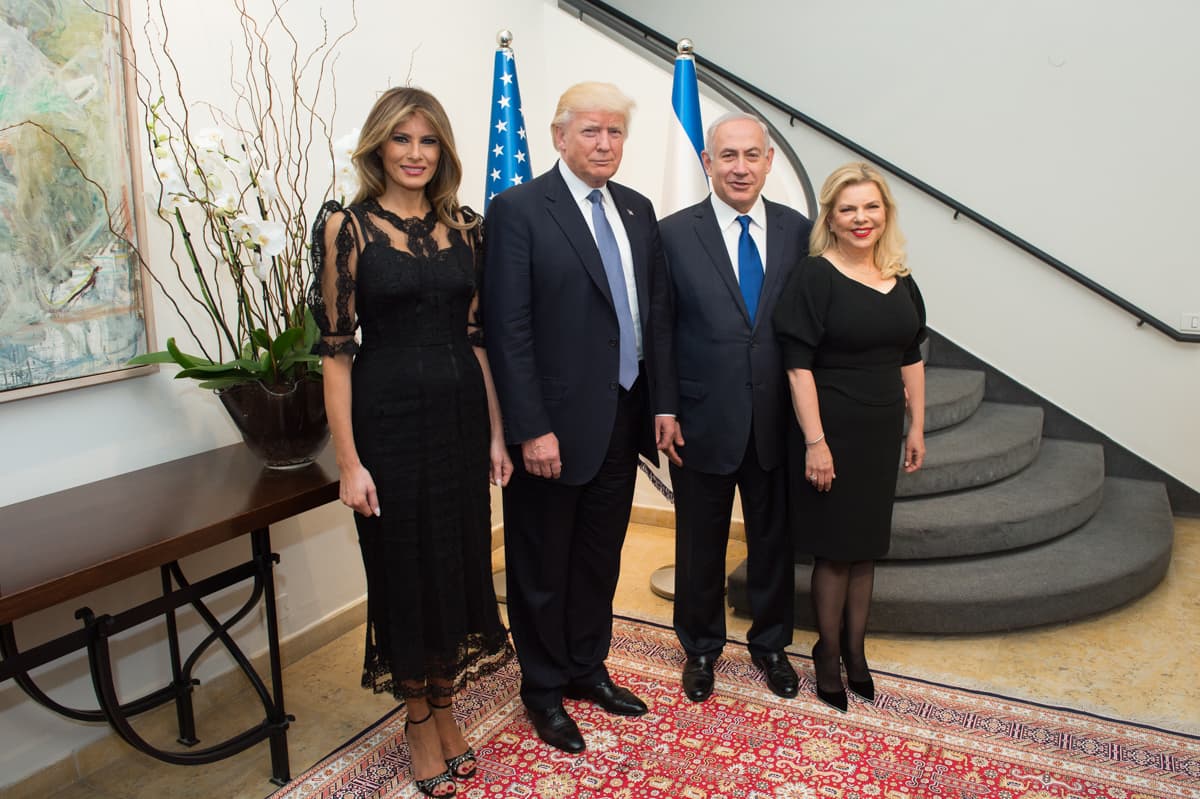
The broader strategic picture is just as fraught. Israel’s campaign in Lebanon has remained tied to the ceasefire with Iran, which has been repeatedly strained, while Tehran and Jerusalem are now both operating under the shadow of Trump’s diplomacy. That leaves Netanyahu exposed to a familiar but newly damaging charge: that he talks tough on sovereignty, but when Washington draws a line, Israeli military policy stops short.
This article was produced by Prism’s automated news system from verified source data, official records, and press releases, then run through automated quality and moderation checks before publishing. The system is built and supervised by the people who set the standards it runs under. Read our full AI policy.
Know something we missed? Have a correction or additional information?
Submit a Tip