Netanyahu orders Israel to expand Gaza control to 70 percent
Netanyahu said Israel would push from 60 to 70 percent control of Gaza, deepening a truce-time occupation as more than 900 Palestinians have been killed.

Benjamin Netanyahu said Israel had ordered its military to expand control in Gaza to 70 percent, a move that pushes further into the enclave even as the cease-fire with Hamas formally remains in place. Speaking at a conference in Maale Adumim, an Israeli settlement in the occupied West Bank, Netanyahu said, “We are currently squeezing Hamas,” and said the army had moved from 50 percent to 60 percent control and should reach 70 percent next.
The cease-fire began on October 10, 2025, as part of a U.S.-brokered plan that linked hostage releases, a partial Israeli withdrawal and humanitarian aid. But the deal left the hardest questions unresolved: Hamas disarmament and Gaza’s future governance. In the first phase of the truce, Israel remained in control of nearly 60 percent of the Gaza Strip, and by late May it effectively controlled about 64 percent. Netanyahu’s new directive makes clear that the battlefield map is still shifting even under the language of restraint.

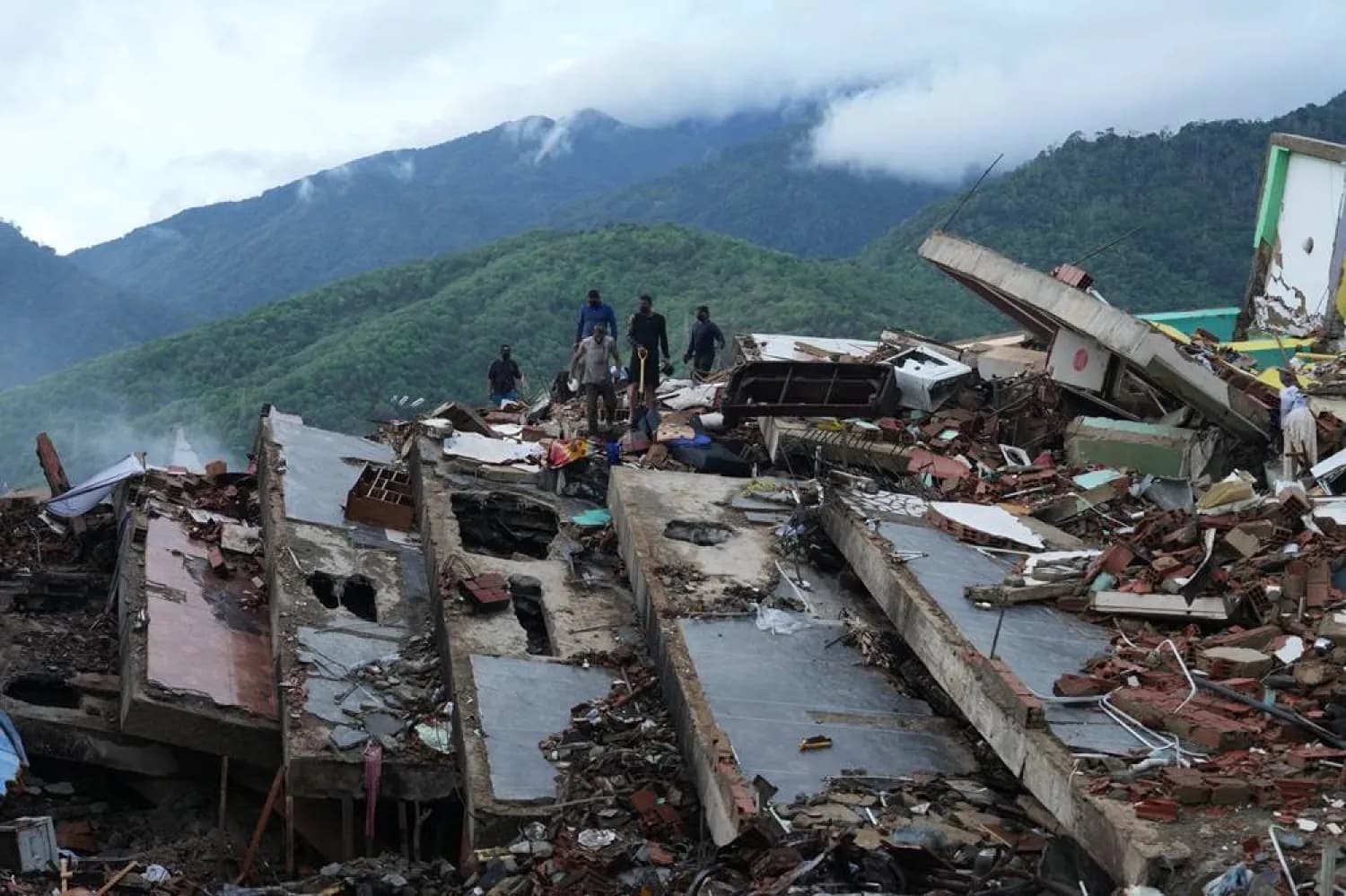
In human terms, 70 percent control would leave Palestinians crowded into a shrinking fraction of Gaza, with movement, shelter and relief all subject to military control over roads, crossings and land access. The humanitarian consequences are already severe. Gaza’s Health Ministry says more than 900 Palestinians have been killed since the cease-fire began, and the ministry’s figures have been treated as reliable by the United Nations. Human-rights groups and regional observers say displacement remains widespread and aid access remains dangerously constrained.
That reality has made the truce feel less like an endpoint than a managed continuation of war. Families who had hoped the cease-fire would open space for rebuilding have instead seen more strikes, more deaths and more uncertainty over where they can safely live. The public health toll is hard to separate from the military one: each new round of displacement strains access to food, water, shelter and medical care in a territory already battered by months of war.

The latest killing of Mohammed Odeh, the new head of Hamas’s armed wing in Gaza, on May 27 added to the sense that the conflict is still escalating beneath the truce’s surface. Netanyahu’s remarks also come as Western governments have warned Israel to curb settlement expansion and settler violence in the West Bank, underscoring broader concern that territorial control is widening across more than one front. For Gaza, a cease-fire that still allows expansion to 70 percent leaves little room for a durable settlement built on civilian recovery, much less political trust.
This article was produced by Prism’s automated news system from verified source data, official records, and press releases, then run through automated quality and moderation checks before publishing. The system is built and supervised by the people who set the standards it runs under. Read our full AI policy.
Did this article answer your question?