Netanyahu says he will seek re-election amid war and Trump doubts
Netanyahu moved to quell doubts about his future, setting up a vote shaped by war, fatigue and a coalition math problem he may not be able to solve.
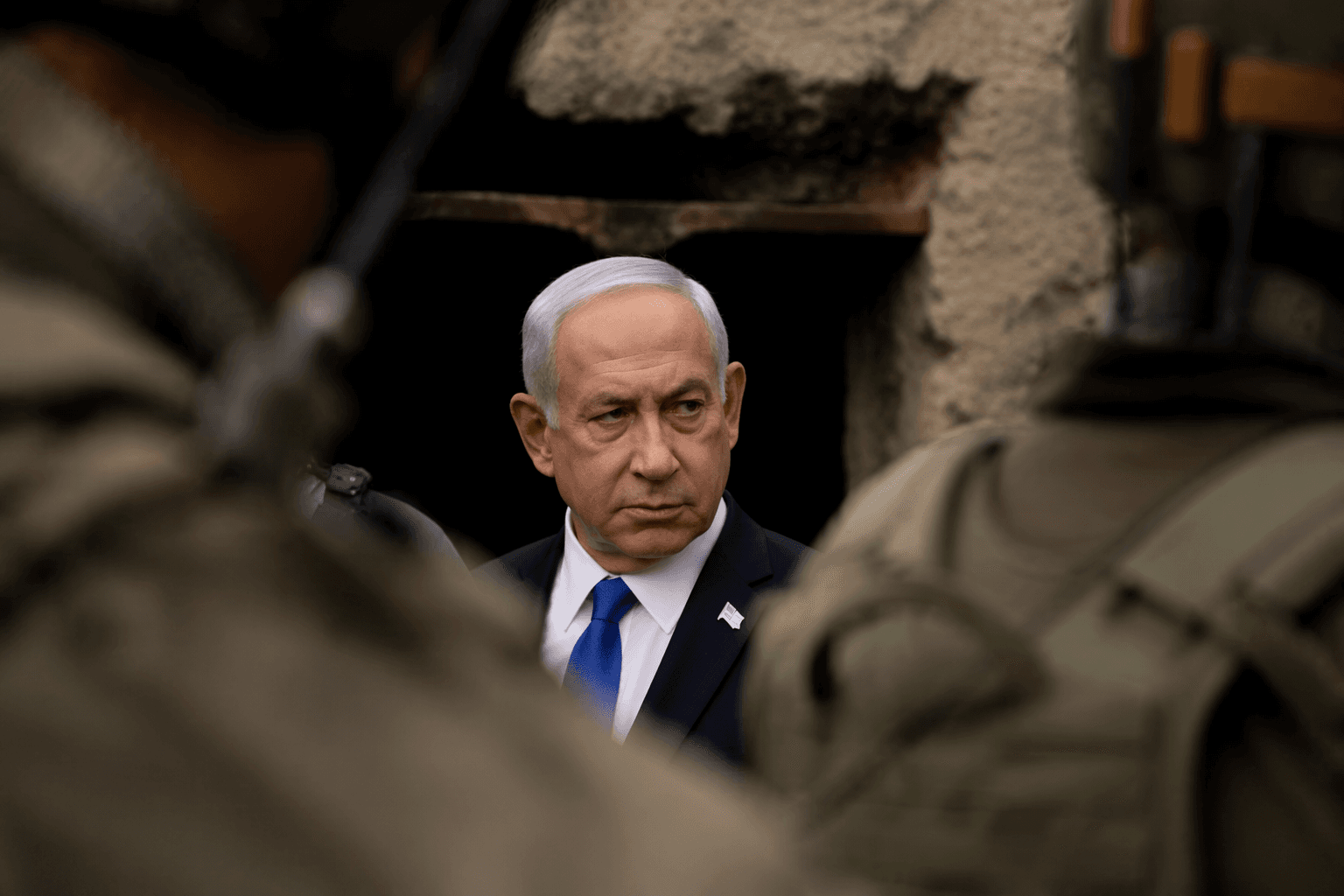
Benjamin Netanyahu has thrown himself back into the race, turning his re-election bid into a test of whether Israel’s longest-serving leader can survive war, domestic anger and a fractured political map. His Likud party said on June 10 that he will seek another term after Donald Trump publicly questioned whether he would run, adding fresh uncertainty to a contest already defined by exhaustion and security fears.
The next election must be held by October 27 unless the Knesset dissolves itself and moves the vote up. Either way, it will be Israel’s first national election since the October 7, 2023 Hamas attack that set off a wider war and pushed Netanyahu back to the center of a national debate about leadership, accountability and survival. Recent maneuvering in the Knesset has focused on whether lawmakers can bring the ballot forward, but even that would not change the basic arithmetic: Netanyahu remains vulnerable, yet not easily dislodged.
That vulnerability is visible in the polls. A June 9 survey by the Israel Democracy Institute found that 61% of Israelis said Netanyahu should not run again, while 35% said he should. The same poll found 61% support for term limits for future prime ministers after Netanyahu, a sign that many Israelis want the post-Netanyahu era to begin with rules, not just a replacement candidate. Netanyahu returned to power in December 2022 at the head of what Reuters described as the most right-wing coalition in Israeli history, and since then he has faced mass anti-government protests, wars in Gaza, Lebanon and Iran, and relentless pressure over the country’s direction.
Coalition math remains his strongest shield and his biggest weakness. Polls have repeatedly shown that Netanyahu’s bloc would fall short of a parliamentary majority if elections were held now, but opposition parties also struggle to assemble an alternative majority without partnering with Arab parties, something some opposition figures have ruled out. That deadlock leaves Netanyahu with a path that is narrow but still open, especially if fear of instability and security concerns push wavering voters back toward a familiar leader.
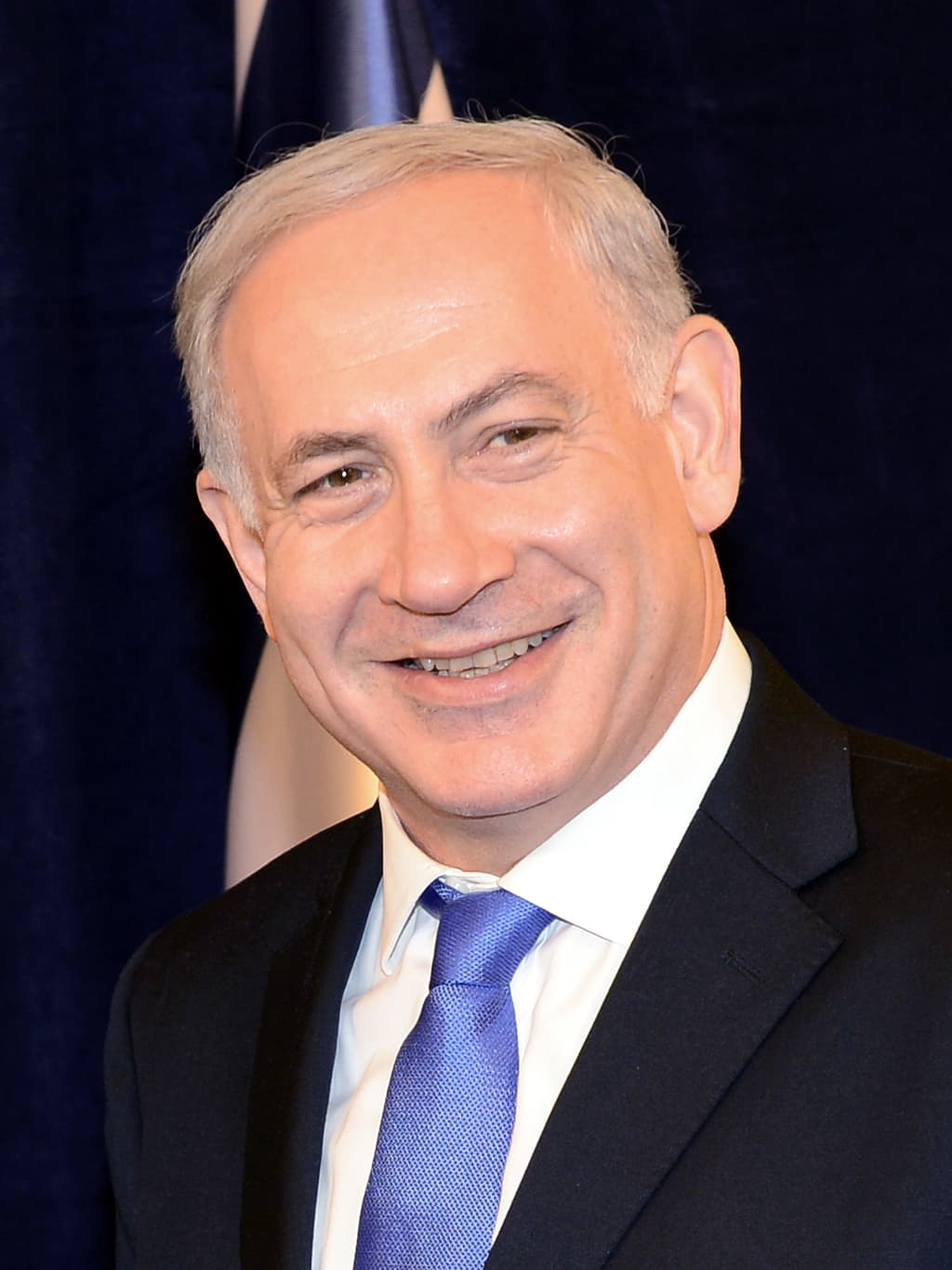
Netanyahu’s political battle is also legal. His corruption trial, which began in 2020, has continued through repeated delays and interruptions tied to wartime conditions, and Trump has repeatedly urged Israel’s president, Yitzhak Herzog, to pardon him on charges Netanyahu denies. If Netanyahu prevails, he will likely deepen a relationship with Washington already strained by Trump’s public second-guessing. If he falters, Israel could enter another round of coalition bargaining at a moment when war, public fatigue and trust in institutions are all under pressure.
This article was produced by Prism’s automated news system from verified source data, official records, and press releases, then run through automated quality and moderation checks before publishing. The system is built and supervised by the people who set the standards it runs under. Read our full AI policy.
Did this article answer your question?