Netanyahu sidelined as Trump says Iran peace deal is nearly done
Netanyahu’s public restraint masks private alarm as Trump says an Iran deal is “largely negotiated” and could be announced shortly. Israeli officials fear being sidelined while Washington and Tehran haggle over uranium, missiles and leverage.

Israel’s silence around Donald Trump’s emerging Iran agreement has become the message. While Trump said a deal was “largely negotiated” and would be announced shortly, Israeli officials have kept their criticism muted, a posture that suggests anxiety in Jerusalem that Washington may be closing in on terms that do not decisively curb Iran’s nuclear and missile capabilities.
That caution came into sharper focus as Benjamin Netanyahu spoke with Trump about the deal and told him Israel would remain free to act against threats in Lebanon. The call underscored a basic Israeli concern: even as the United States and Iran move toward a framework, Jerusalem is trying to preserve operational room on a separate front, especially where Hezbollah and Lebanon are concerned. Israeli political sources said Washington was updating Israel on the talks, but defense sources described Netanyahu as sidelined and forced to piece together details through other diplomatic and intelligence channels.
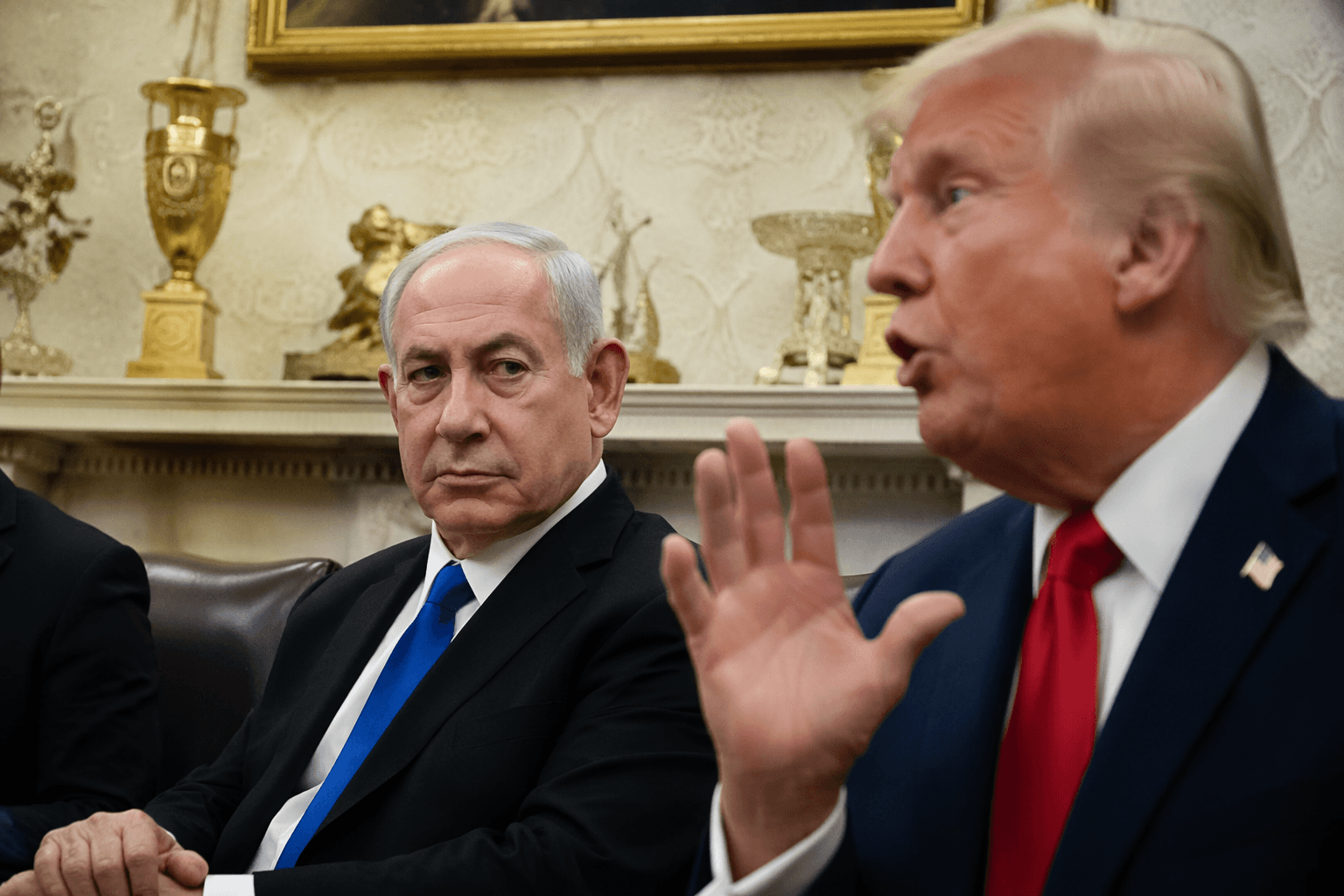
The contrast with earlier Israeli lobbying is striking. Netanyahu publicly said in May that the Iran war was “not over,” arguing that nuclear material, enrichment sites, proxies and ballistic missiles still had to be dealt with. Axios reported that a May 20 call between Trump and Netanyahu over a revised peace memo was difficult, with one source saying Netanyahu’s “hair was on fire.” In past fights over Iran diplomacy, Israeli leaders made their objections in public; this time, the objections appear to be running through back channels and private warnings.
At the center of the talks is Iran’s estimated 440 kg stockpile of uranium enriched to 60 percent, a level that has become one of the main sticking points. Reuters reported that Iran’s Supreme Leader ordered the near-weapons-grade uranium not be sent abroad, hardening Tehran’s position just as Trump pushes for a deal. The unresolved question is whether any agreement will impose formal limits on Iran’s enrichment, missile program or proxy activity, or whether it will merely freeze the most immediate confrontation.
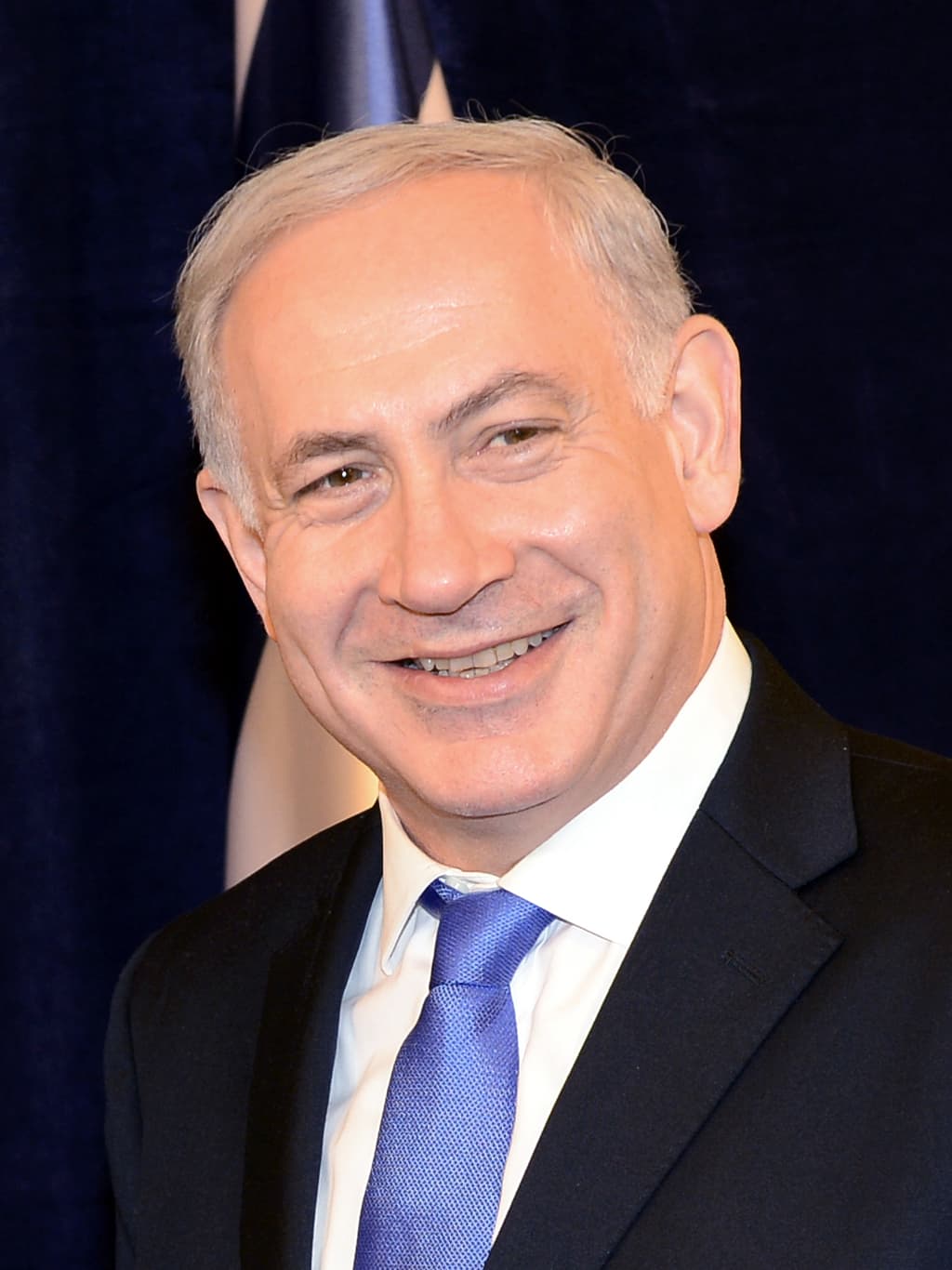
The broader backdrop makes Israel’s unease easier to understand. Trump withdrew the United States from the 2015 JCPOA in 2018, after which Iran expanded enrichment and shortened warning time around any potential breakout. The 2025 Israel-U.S. strikes on Iranian nuclear sites did not end the dispute, and reports now suggest the emerging framework could start with a memorandum of understanding before broader negotiations unfold over 30 to 60 days. For Netanyahu, that looks less like a final settlement than a diplomatic process in which Israel may have less leverage than it did in earlier rounds.
Know something we missed? Have a correction or additional information?
Submit a Tip

