Netflix uses AI to revive Gene Wilder for Wonka reality series
Netflix will use an AI-recreated Gene Wilder voice in a September Wonka competition, with his estate’s consent, as criticism builds over posthumous performance rights.
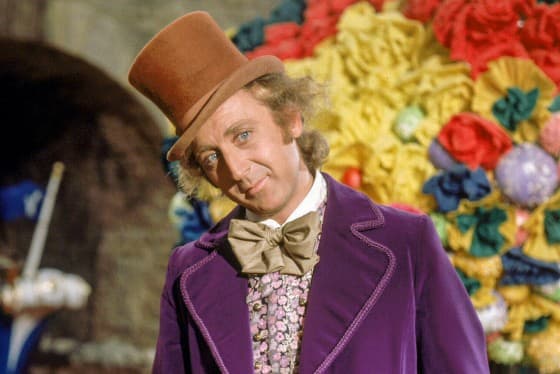
Netflix will premiere Wonka’s The Golden Ticket on Sept. 23 with a recreated Gene Wilder voice guiding a nine-episode reality competition set inside a version of Wonka’s Chocolate Factory. The series will end with a two-part finale on Sept. 30 and will feature 12 contestants, each competing with a partner they choose, for a life-changing grand prize.
Netflix said the series is based on Roald Dahl’s Charlie and the Chocolate Factory and is also a tribute to the 1971 film Willy Wonka & the Chocolate Factory, in which Wilder played Willy Wonka. The streamer said the voice of Wilder will be recreated with artificial intelligence and used with the consent of the Gene Wilder estate. Karen B. Wilder said the estate was delighted that the show would introduce his performance to a new generation while honoring longtime fans.
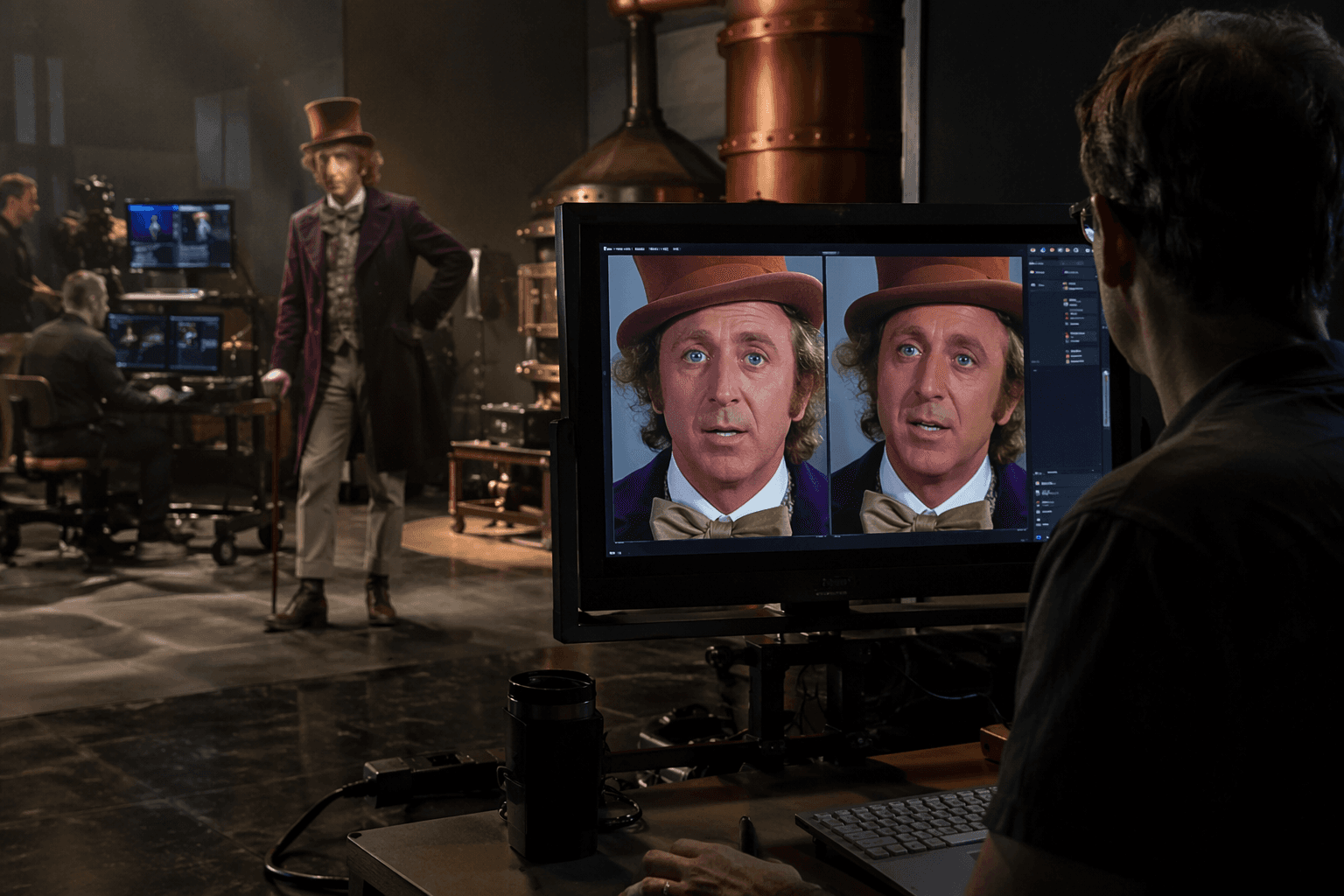
The production marks one of the clearest public tests yet of what a licensed AI replica can do when an estate signs off. ElevenLabs, the AI voice company behind the recreation, has already worked on similar licensed voice projects involving Michael Caine, Judy Garland and Burt Reynolds. Wilder died in 2016 at age 83, making the series part of a widening debate over how studios, estates and audiences define consent when a performance continues after death.
Variety reported that the series was produced by Eureka Productions and filmed in Australia. It will also feature Rusty Goffe, who played an Oompa Loompa in the 1971 film, linking the new reality format back to the original screen adaptation. Netflix’s trailer and announcement have already drawn criticism online over the use of AI to approximate Wilder’s voice, a reaction that reflects how quickly a licensed recreation can shift from tribute to controversy.
The dispute is no longer just about novelty. It is about whether a dead performer’s voice is being restored for a new work or commercially simulated as part of a franchise, and whether estate approval is enough to settle that line. Netflix has chosen to treat Wilder’s voice as part of the show’s architecture, not just a promotional flourish, placing the legal and ethical question directly inside one of its biggest entertainment properties.
This article was produced by Prism’s automated news system from verified source data, official records, and press releases, then run through automated quality and moderation checks before publishing. The system is built and supervised by the people who set the standards it runs under. Read our full AI policy.
Did this article answer your question?