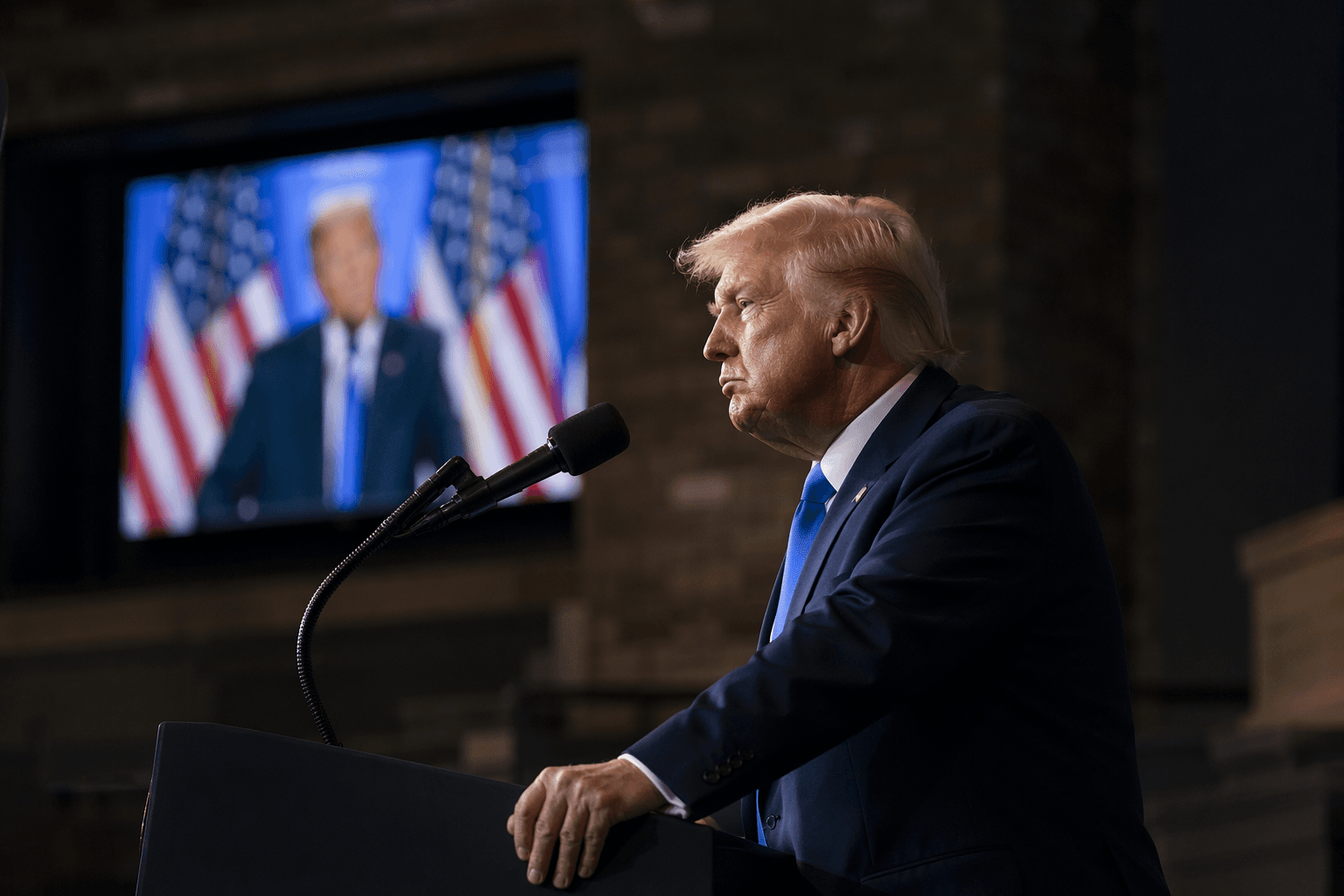
Networks weigh live coverage as Trump prepares election security address
ABC, CBS, NBC and other networks had not committed to airing Trump’s 9 p.m. election-security speech live as he prepared another push on 2020 fraud claims.
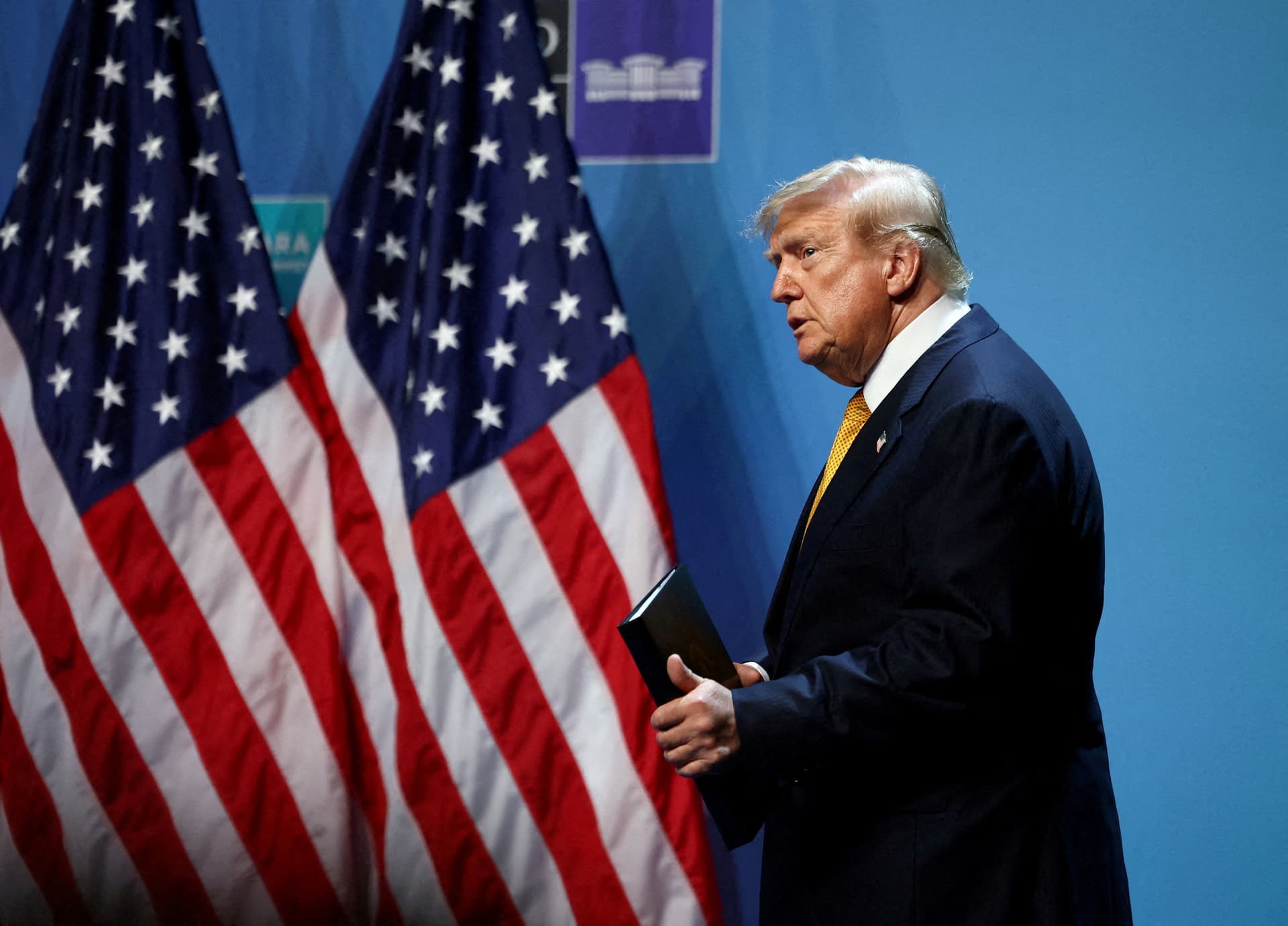
Major U.S. networks were still weighing Thursday whether to carry Donald Trump’s prime-time address live as the president prepared to speak at 9 p.m. ET from the White House on election security. The decision put broadcasters back in familiar territory: whether a presidential address warrants uninterrupted coverage when the subject is already saturated with disputed claims.
Trump was expected to use the speech to revisit election conspiracies, including voting machines and alleged foreign interference in U.S. elections. Reuters said the address was coming less than four months before the midterm elections, a timing that made the optics especially sensitive as Democrats and Republicans were already locked in fights over election administration.
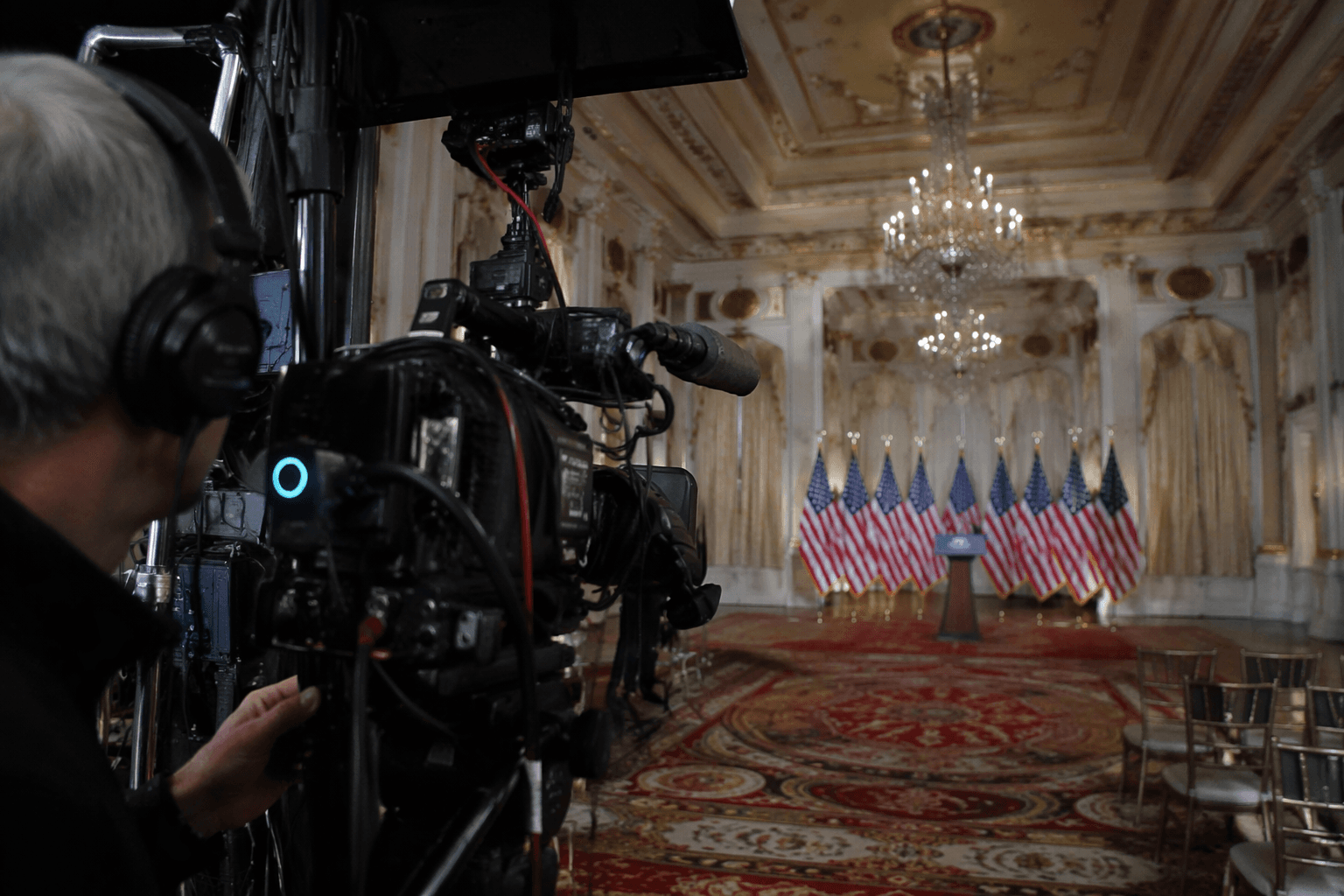
At least some of the biggest networks had not committed to airing the remarks live, including ABC, CBS, NBC, CNN, Fox News and MSNBC. That hesitation reflected more than programming logistics. Live coverage would give Trump the largest possible platform, but a delayed feed or an anchored analysis segment would let editors add context if the speech drifted into unverified or false assertions.
The White House framed the address as part of Trump’s broader election message, and Trump had been calling it “really big” in remarks earlier in the week. NBC News said he planned to raise allegations of 2020 election interference, continuing a claim he has repeatedly made since losing to Joe Biden. NBC News has also reported that Trump continued to insist the 2020 election was “rigged” and “dirty.”
The New York Times reported that an administration task force had been working to declassify documents, including some related to elections, adding another layer to the speech’s significance. That backdrop raised the stakes for news executives who would have to decide whether the event was a routine presidential address, a vehicle for recycling old claims, or both. In practice, the choice could determine whether viewers saw the speech live, with editorial interruption, or filtered through immediate analysis.
For broadcasters, the question was not only how to cover a president speaking from the White House, but how not to amplify allegations that have already eroded trust in election systems. The decision set up a test of newsroom standards that could shape how future emergency-style requests for airtime are handled when the issue is not national security or public health, but the legitimacy of elections themselves.
This article was produced by Prism’s automated news system from verified source data, official records, and press releases, then run through automated quality and moderation checks before publishing. The system is built and supervised by the people who set the standards it runs under. Read our full AI policy.
Did this article answer your question?