Neudeutsch Häkeln: Crochet Revival Energizes Fashion, Art, Amigurumi and Protests
Swiss coverage calls crochet a comeback labeled "Neudeutsch Häkeln," noting its presence in amigurumi, designer fashion, contemporary art and ICE train protesters' demonstrations.
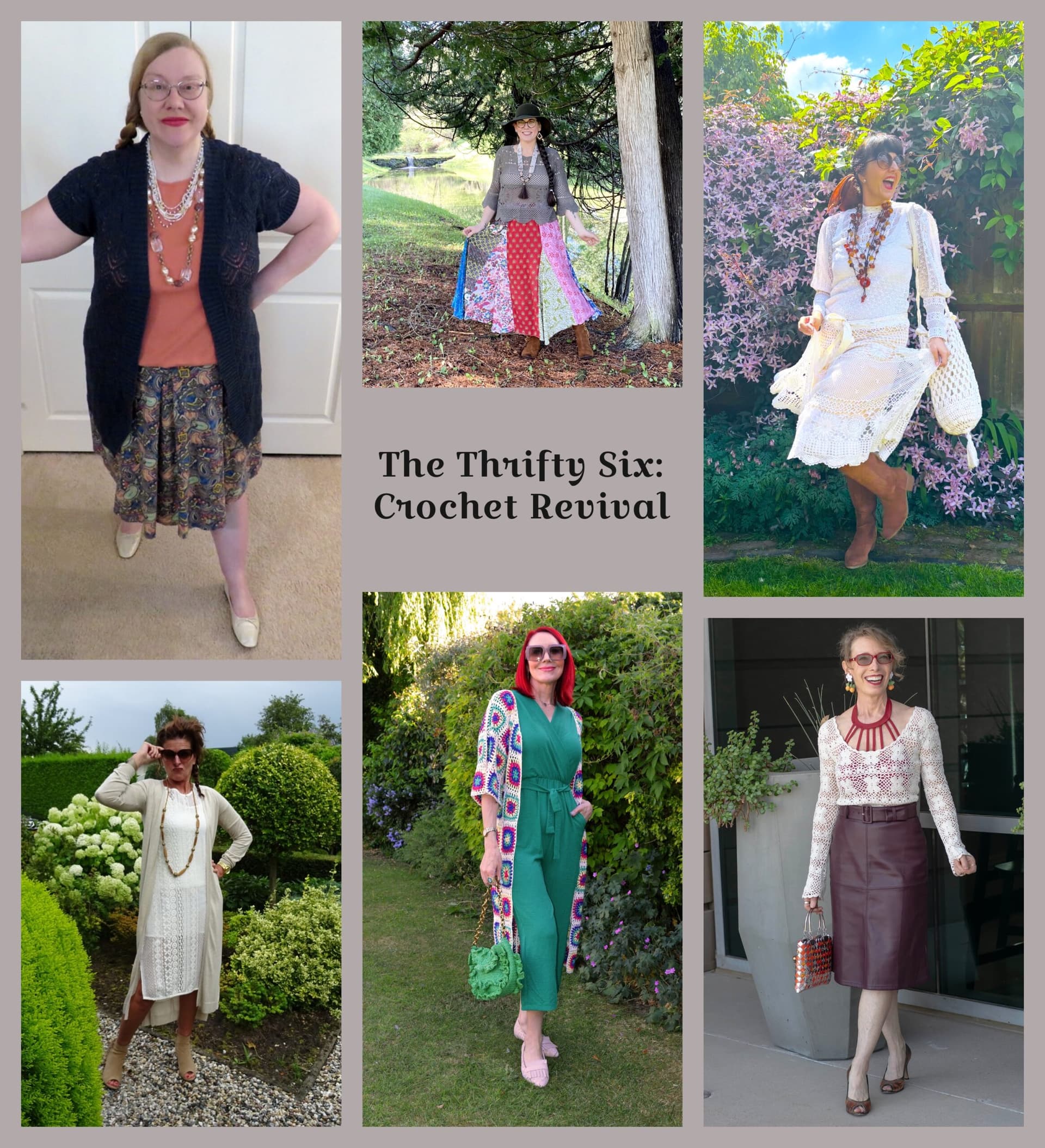
Swiss outlet Tages-Anzeiger covers crochet's comeback under the phrase "Neudeutsch Häkeln," listing amigurumi, designer fashion, contemporary art and ICE train protesters' demonstrations as visible sites of the craft's return and framing the trend as evidence of "handcrafts' cultural resurgence beyond hobbies."
That revival sits alongside an organized strand of practice identified by Threadandmaple as craftivism. Threadandmaple defines craftivism explicitly: "Craftivism, a portmanteau of 'craft' and 'activism,' refers to using traditional crafts such as knitting, crocheting, and other fiber arts as social and political protest." The piece places the movement's emergence in the "early 21st century" and notes that "The term 'craftivism' was coined by Betsy Greer in 2003." Threadandmaple preserves Greer's assessment of the impulse behind the movement: “People all over the world wanted to give their craft even more power than it had already by using their craft skills for creative and activist means.”
Threadandmaple further contrasts craftivism and traditional activism across four concrete aspects. For Medium, craftivism uses "Crafts (knitting, crocheting, etc.)" while traditional activism uses "Protests, rallies, and petitions." For Approach, craftivism is described as "Personal, subtle" versus traditional activism's "Direct, confrontational." For Community Involvement, craftivism rates "High, often collaborative" while traditional activism "Varies, often organized by specific groups." For Sustainability, craftivism "Emphasized the use of eco-friendly materials" while in traditional activism sustainability "Varies, not always a focus."
Tages-Anzeiger's list places crochet across distinct cultural terrains: tiny amigurumi figures, designer fashion runways, contemporary-art contexts, and even ICE train protesters' demonstrations. That range underscores Threadandmaple's argument that craftivists "transform everyday crafting activities into tools for change" and "challenge conventional perceptions of art and activism, creating a unique platform for expression and engagement." Threadandmaple also frames practical outcomes: "The following case studies highlight how craftivism has been used to spark dialogue, foster solidarity, and drive social change."
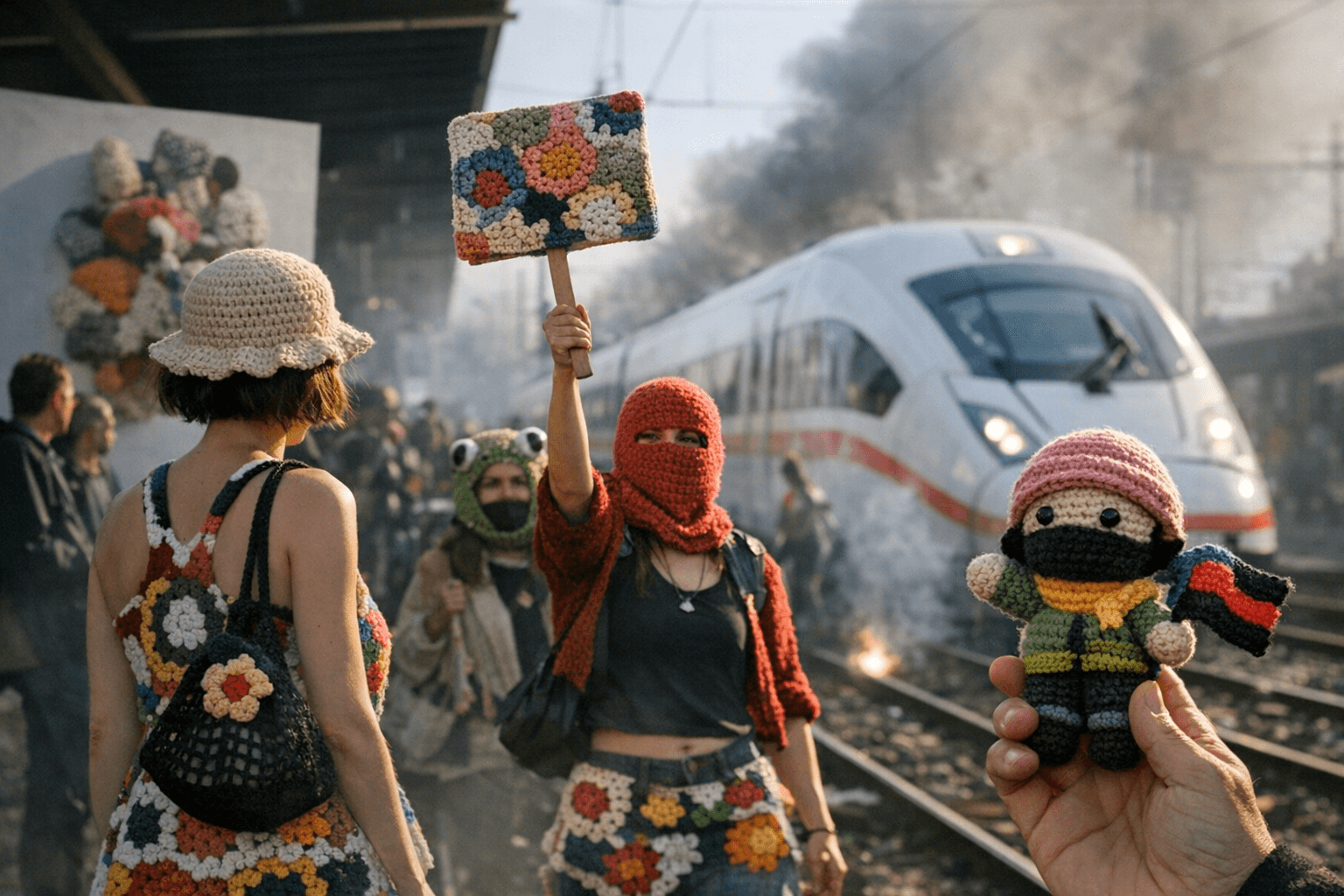
Visual material accompanying the craftivism coverage is credited to "Flickr by Colin Baird" in Threadandmaple's materials. The image credit appears alongside the explanatory text; any publication use should retain the credit line "Flickr by Colin Baird."
Taken together, Tages-Anzeiger's "Neudeutsch Häkeln" headline and Threadandmaple's taxonomy map a clear shift: crochet now appears in toymaking, high fashion, galleries and street protest, while craftivism—coined by Betsy Greer in 2003—articulates the aims behind that shift, including gender equality, environmental sustainability and social justice. Those converging threads signal that the craft's role has moved decisively beyond hobbyist circles into broader cultural and political life.
Know something we missed? Have a correction or additional information?
Submit a Tip