New Alice-made supplement targets dry eye and glare protection
An Alice-made supplement claims to relieve dry-eye symptoms and reduce glare; locals should weigh potential benefits, evidence, and access before trying it.

A new oral supplement developed in Alice is being marketed as a two-in-one approach to ease dry-eye symptoms and protect against glare, a company announced earlier this month. The formula combines ingredients the maker says support cellular hydration, stabilize the tear film and provide visual antioxidant protection, and the product's creator is identified as Dr. Raymund Garza.
The manufacturer describes a multi-pronged formulation that includes osmolytes such as betaine to support cellular hydration, hyaluronic acid and electrolytes to support tear-film stability, and visual antioxidants such as lutein, zeaxanthin, astaxanthin and bilberry. The company frames the product as addressing possible root causes of ocular discomfort rather than offering only short-term surface relief. The announcement also pointed to manufacturing in a cGMP facility and said there are plans for future research and community outreach.
For Jim Wells County residents, the introduction of a locally developed product raises practical questions. Dry eye is a common complaint among older adults, people who work long hours on screens, and those with certain medical conditions. An oral supplement that targets underlying tear-film function and oxidative stress could be appealing to people who have struggled with persistent symptoms. At the same time, dietary supplements differ from prescription treatments and over-the-counter eye drops in how they are studied and regulated, and evidence of benefit typically requires independent clinical trials and peer-reviewed data.
Public health and equity concerns come into focus when a new health product appears. Cost, availability and the clarity of marketing claims will influence who can access potential benefits. In communities like ours where many residents are uninsured or underinsured, supplements with out-of-pocket costs can widen disparities if promotion outpaces proof. Local clinicians and pharmacies will likely be asked to advise patients weighing the product against other, evidence-based therapies.
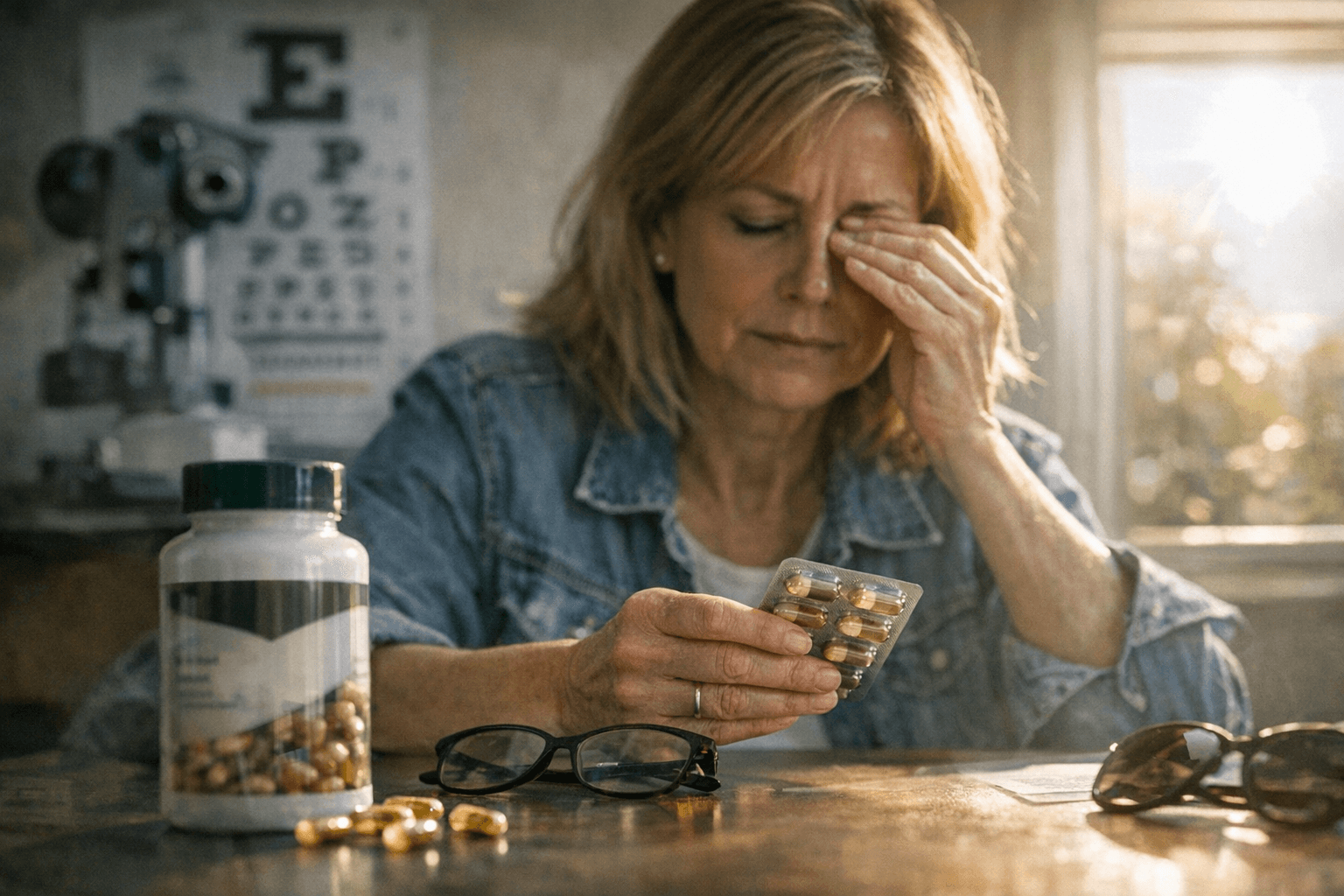
The company said it will pursue more research and outreach; how that unfolds will matter. Independent evaluation of effectiveness and safety, transparent labeling, and partnerships with local health providers can help ensure residents get reliable guidance. For people considering this supplement, a conversation with an eye care professional is a sensible first step, especially for those on medications or with chronic health issues.
The takeaway? New options can be welcome when dry eyes make daily life harder, but balance optimism with caution: ask your eye doctor, check the evidence, and consider cost and access before signing up. Our two cents? Keep an eye on the data and on local clinics for guidance rather than relying on marketing alone.
Sources:
Know something we missed? Have a correction or additional information?
Submit a Tip