New all-electric aircraft makes test flight in New York City
A battery-powered aircraft landed in New York as aviation companies and regulators test whether electric air taxis can move from demo flights to daily service.
A battery-powered aircraft can make for a vivid New York headline. It does not yet make commercial aviation.
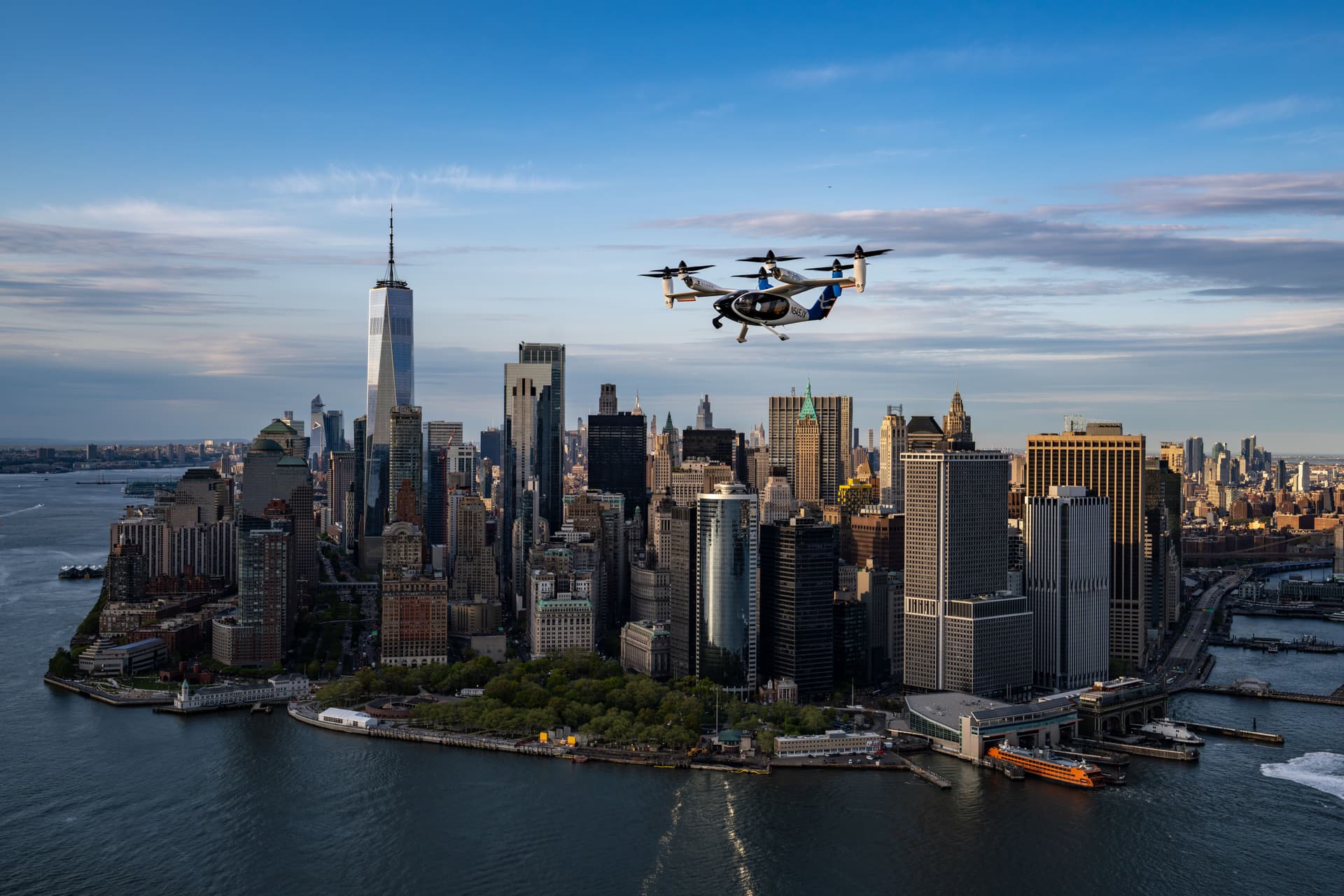
That gap between spectacle and adoption was on display as Joby Aviation completed the first point-to-point eVTOL demonstration flights in New York City history, linking JFK with a Manhattan heliport in late April as part of a week-long public campaign. Joby said the trip could take under 10 minutes, and it described the aircraft as battery-powered, quiet and zero-operating-emissions. The flight showed the appeal of electric air taxis for airport-to-city travel, but it did not answer the harder questions of how often such flights can run, what they will cost, or how they will fit into crowded airspace.
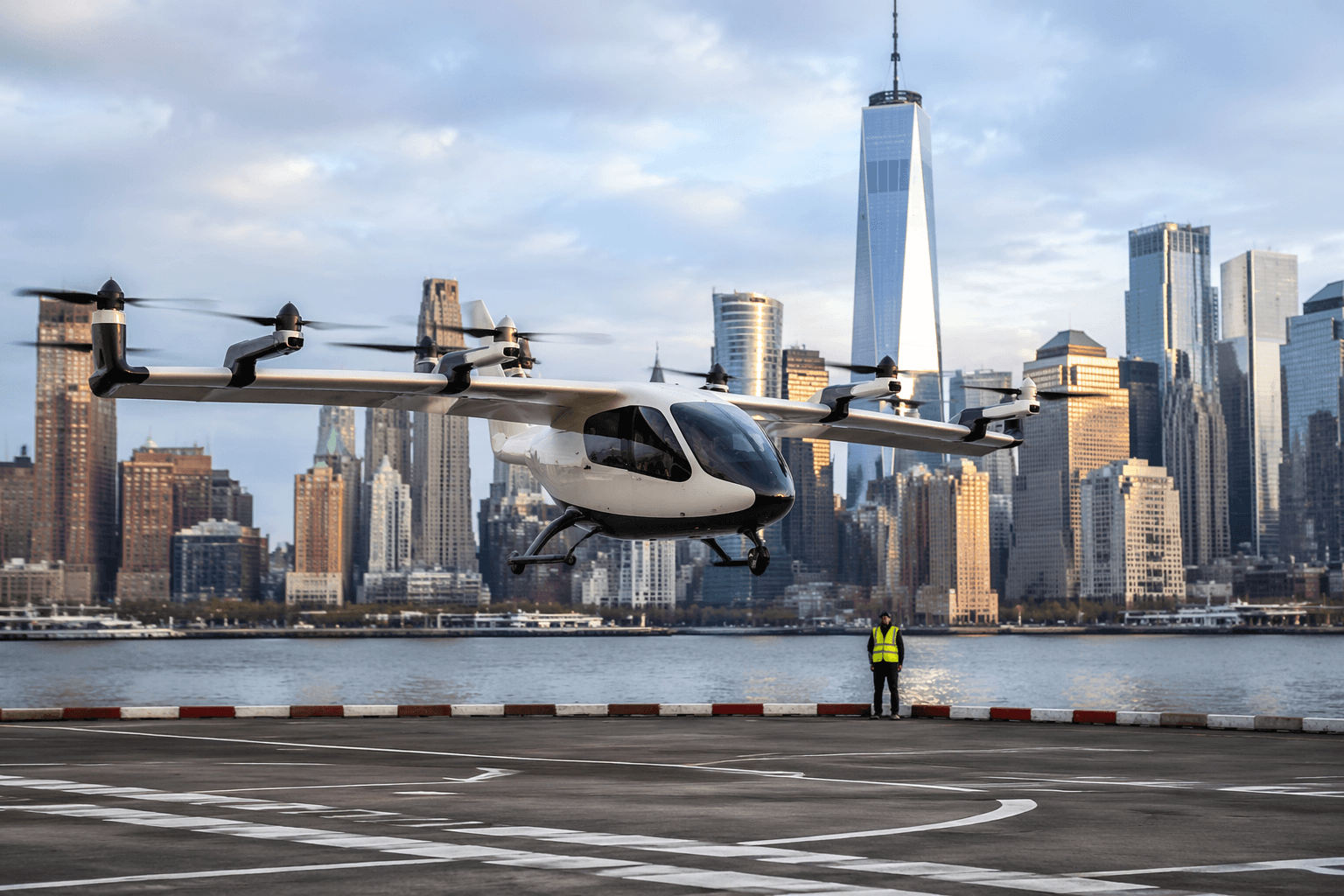
The New York region has become a live test case. On June 3, 2025, BETA Technologies’ all-electric Alia CX300 made the first passenger-carrying electric flight into John F. Kennedy International Airport, flying from East Hampton in about 45 minutes with one pilot and four passengers. The Port Authority of New York and New Jersey said the arrival was the first all-electric aircraft to land at one of its major New York-New Jersey airports. That flight proved an electric plane can carry people into one of the country’s busiest aviation hubs; it did not prove that battery aircraft can yet match the range, turnaround time or economics of conventional service.
Regulators are still building the framework around those demonstrations. On March 31, 2026, the Port Authority was selected for the Federal Aviation Administration’s eVTOL Integration Pilot Program, one of eight projects chosen nationwide. The program is meant to accelerate the safe use of electric vertical takeoff-and-landing aircraft and gather data that can inform future rules. That puts the FAA, the Port Authority and operators like Joby and BETA in a practical race to solve the basics: certification, charging infrastructure, operating procedures, and how to move aircraft through dense urban airspace without adding risk.
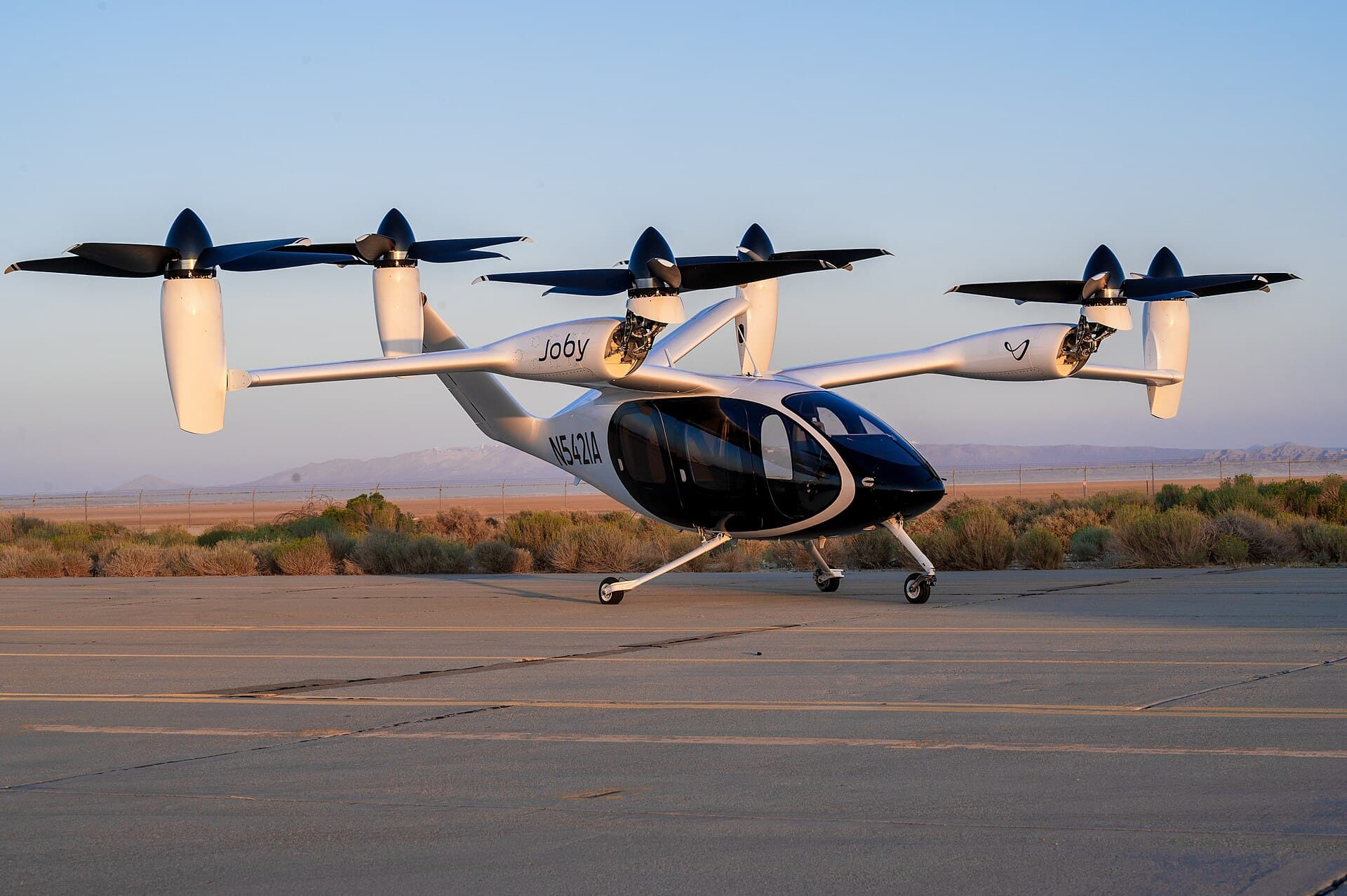
For electric air taxis to become more than premium showcases, the business case will have to hold up as well. Supporters say battery-powered aircraft could eventually offer cleaner and quieter links between airports and Manhattan, especially if they can cut a JFK-to-city trip to minutes instead of an hour or more. But the same factors that make the tests exciting also underline the limits. Until the FAA certifies the aircraft, helipads are upgraded, charging networks are in place and riders accept the service, the most likely market is not mass transit. It is a smaller, higher-priced niche for travelers willing to pay for speed.
This article was produced by Prism’s automated news system from verified source data, official records, and press releases, then run through automated quality and moderation checks before publishing. The system is built and supervised by the people who set the standards it runs under. Read our full AI policy.
Know something we missed? Have a correction or additional information?
Submit a Tip