New backlash grows against looksmaxxing, narrow male beauty standards online
Men are pushing back on looksmaxxing, calling out a profits-first online culture that turns loneliness, body anxiety and status pressure into content.

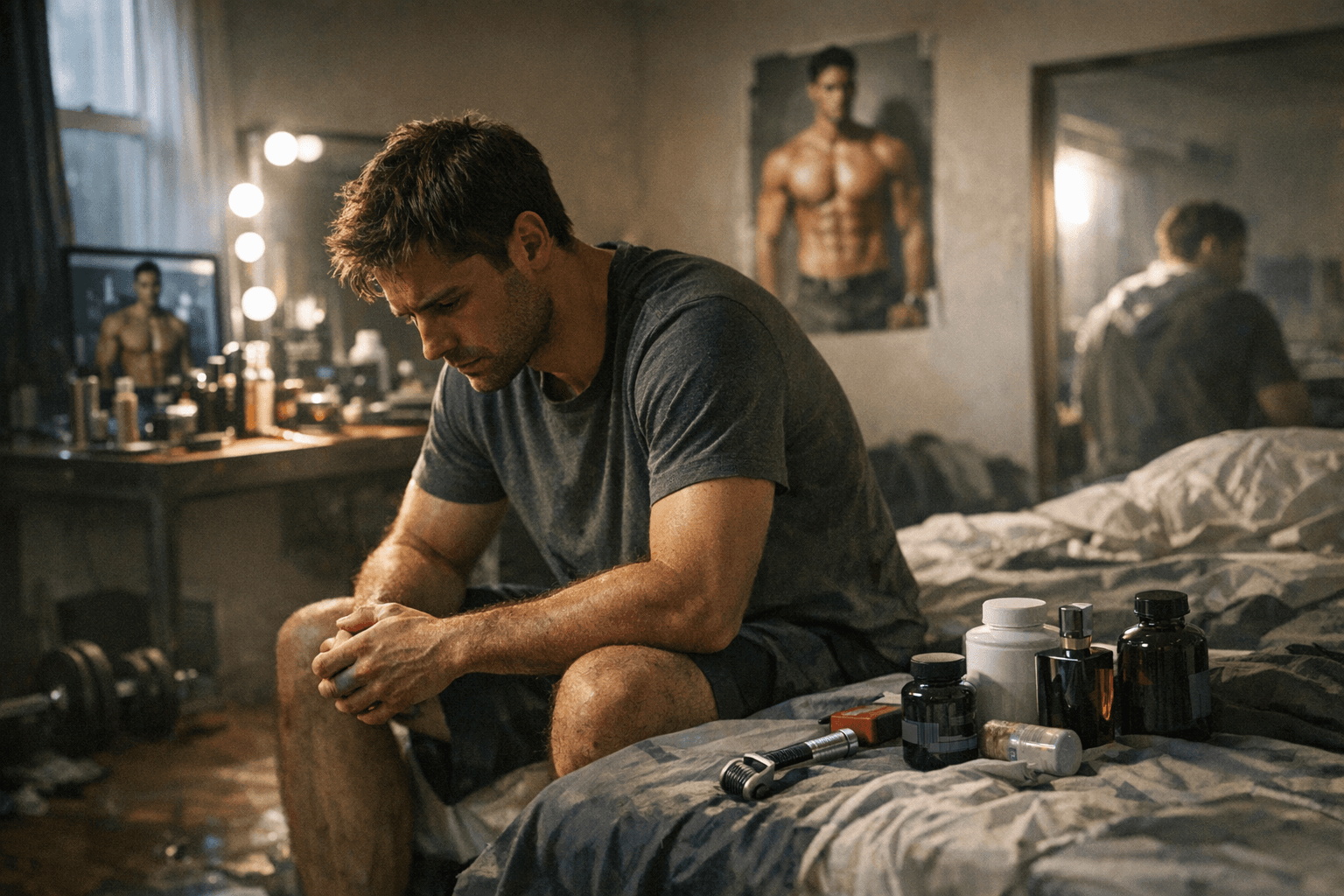
Men are starting to fight back against looksmaxxing and the wider manosphere, arguing that a flood of grooming advice, gym clips and facial-fixing hacks has drifted into a business model built on male insecurity. What began as talk of skincare and lifting has, for some creators, become a narrow ideal of chiselled faces, visible muscles and constant self-optimization.
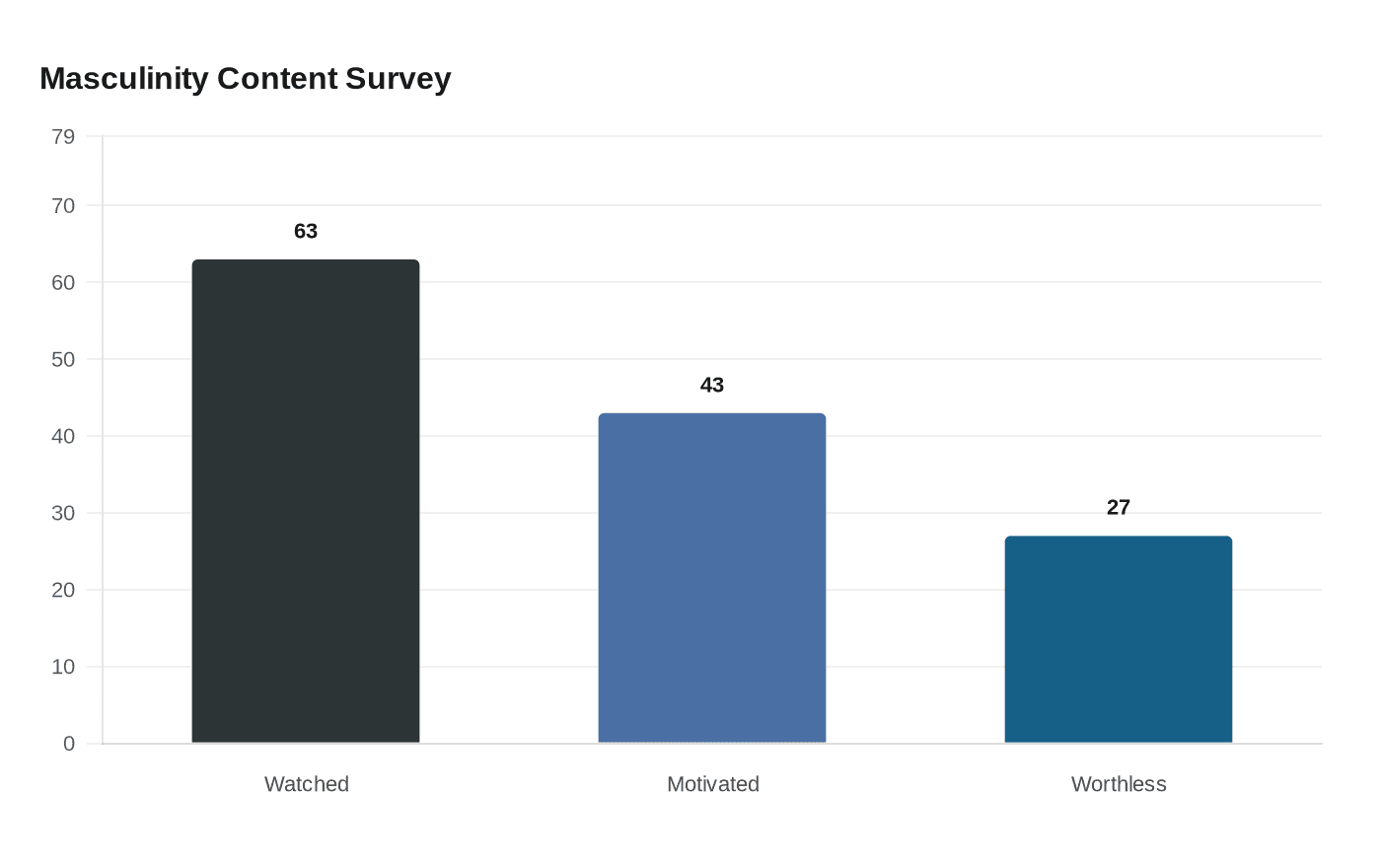
That backlash has emerged alongside hard numbers showing how deeply masculinity content has penetrated young men’s feeds. Movember said nearly two-thirds of boys and men aged 16 to 25 in the United Kingdom, the United States and Australia regularly watched or read masculinity influencer content. In its survey of more than 3,000 young men, 63% said they watched men and masculinity influencers, 43% found them motivating and 27% reported feelings of worthlessness after exposure.
Researchers and regulators have warned that the ecosystem around those videos is not just cosmetic. Ofcom’s research in June 2025 described the manosphere as a fragmented landscape that included red pill, black pill, incel, MGTOW, men’s rights activist, pickup artist and looksmaxxer communities, and said socially isolated people appeared more at risk of adopting harmful views from closed online spaces. A University of Portsmouth study published on 17 November 2025 found incel accounts were rebranding through looksmaxxing to bypass moderation and reach younger audiences, using language that could sound scientific or harmless. The team analyzed 25 months of data, including four looksmax.org posts, eight Incels.Wiki pages, 23 TikTok accounts and 332 videos.
A separate peer-reviewed study published in March 2025 in Sociologia, Health & Illness examined an online looksmaxxing community that drew 6 million unique visitors a month. It found the community encouraged invasive changes such as leg-lengthening surgery and mewing, while also promoting what the authors called masculine demoralisation, a dynamic that can push vulnerable users toward self-harm.
The counter-movement now taking shape is coming from men who say the trend has gone far beyond self-care. Dr Michael Mrozinski, a sports physician and rural doctor with 180,000 followers, said looksmaxxing had become an “absolute monster” and could include blunt facial trauma, bruising and bleeding. One of the most influential looksmaxxing creators spotlighted in the backlash is Braden Peters, known online as Clavicular, a 20-year-old with about 500,000 Instagram followers and nearly 900,000 on TikTok.
The dispute cuts to a larger public-health question: when algorithm-driven platforms reward extreme self-improvement content, evidence-based advice on sleep, exercise, nutrition and mental health can struggle to compete with faster, harsher promises. For many young men, the fight over looksmaxxing is now as much about resisting monetized shame as it is about appearance.
This article was produced by Prism’s automated news system from verified source data, official records, and press releases, then run through automated quality and moderation checks before publishing. The system is built and supervised by the people who set the standards it runs under. Read our full AI policy.
Did this article answer your question?