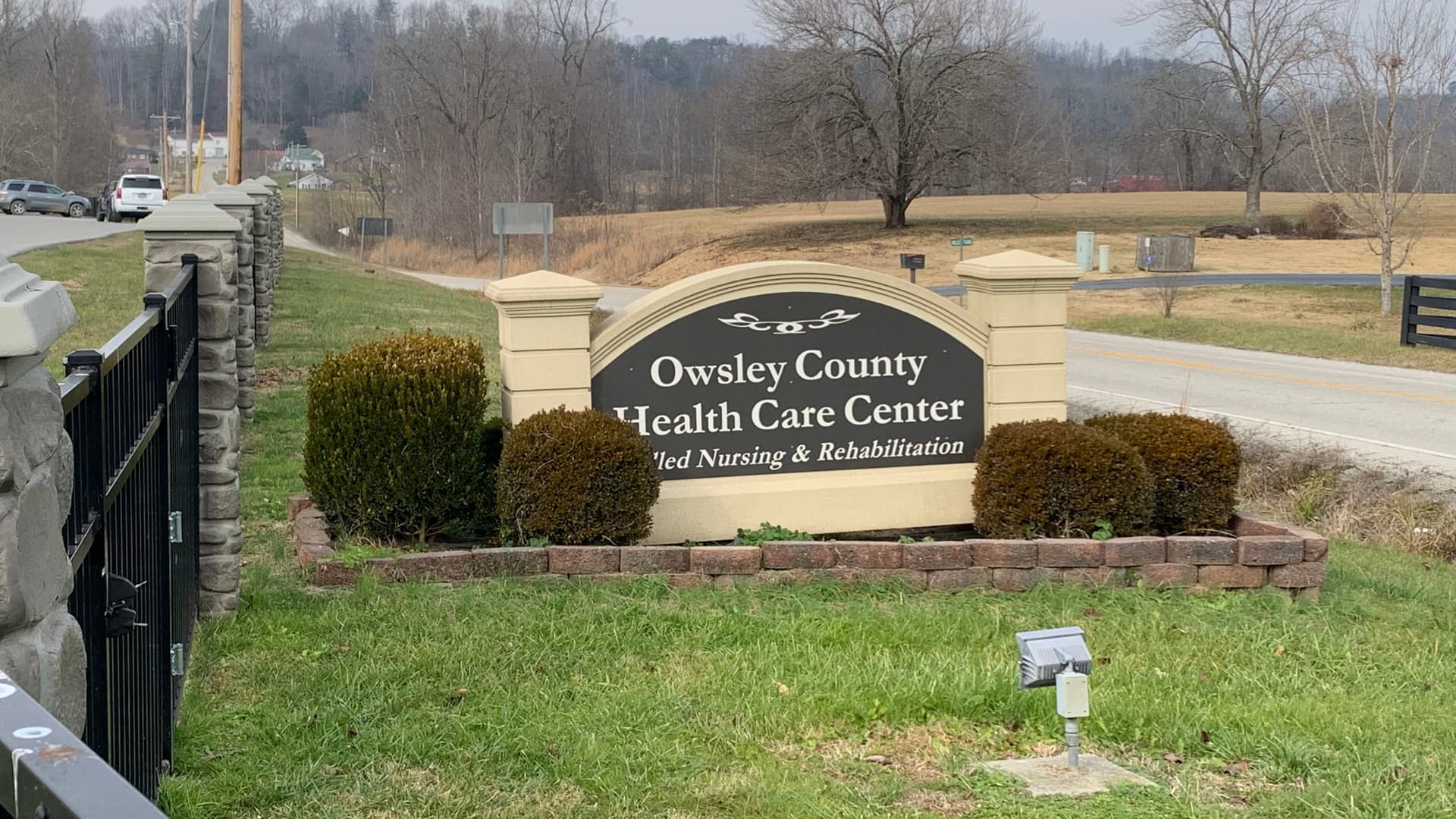
New Chartis Findings and Medicaid Shift Threaten Owsley County Care Access
Chartis finds about 41% of U.S. rural hospitals operating in the red, a trend the Booneville Sentinel says could erode obstetrics, chemotherapy and surgery access for Owsley County residents.
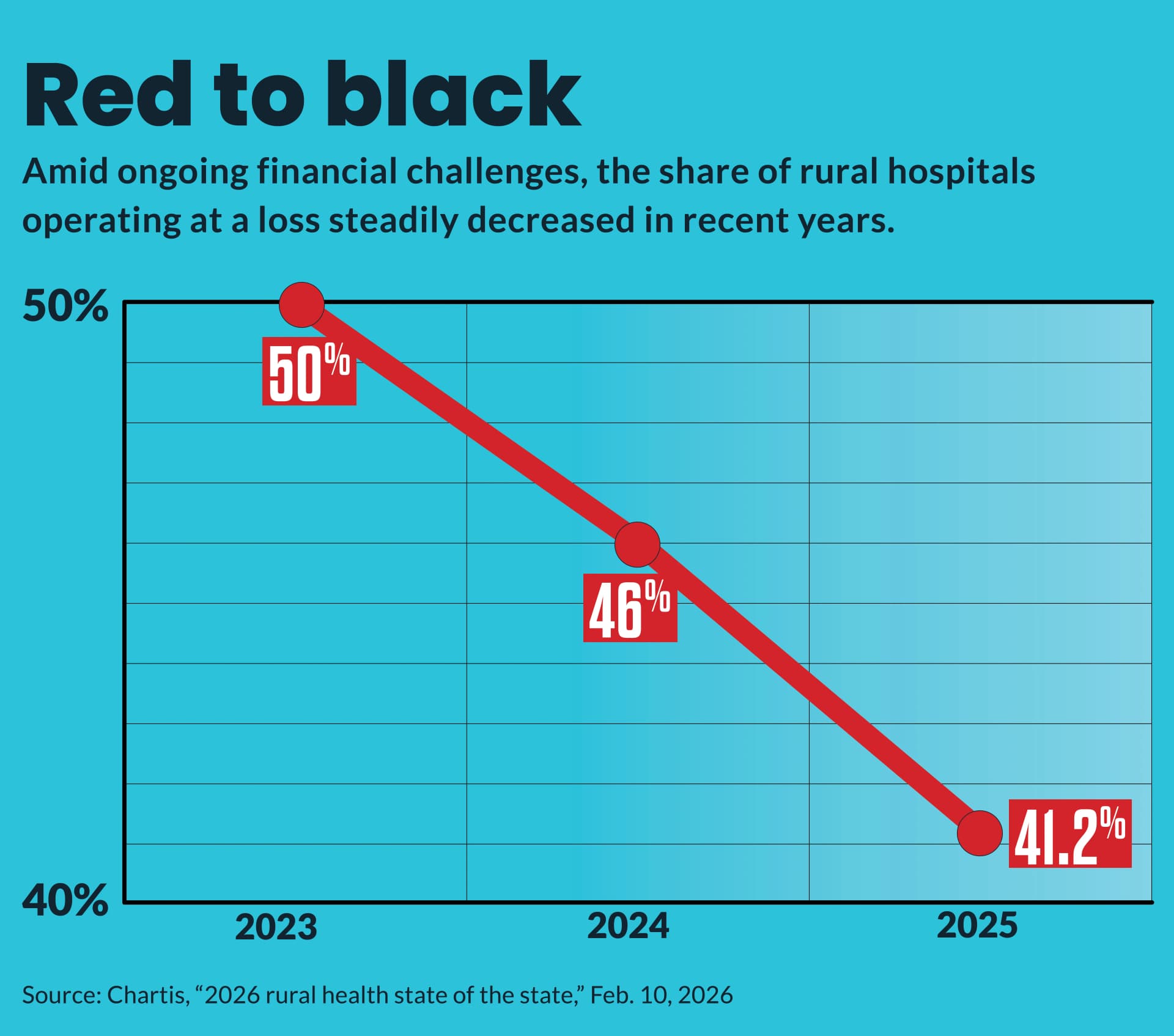
The Chartis Center for Rural Health’s 2025 "State of the Rural Health Safety Net" analysis finds roughly 41% of U.S. rural hospitals operating with negative operating margins, a figure Business Wire cites precisely as 41.2%, and the Booneville Sentinel flagged that finding on March 3, 2026 as a direct threat to local access to obstetrics, chemotherapy and general surgery in counties like Owsley.
Chartis reports a national median operating margin of 2% in its latest materials, an improvement from the prior report when 46% of rural hospitals were in the red. TechTarget’s February 12, 2026 summary described that “fewer U.S. rural hospitals are operating at a loss, but sweeping Medicaid reform over the next few years could offset these small financial improvements,” signaling fragility despite better aggregate numbers.
The Chartis analysis highlights a stark split tied to Medicaid expansion. In expansion states Chartis found a median operating margin of 2.9% with about 35% of rural hospitals in the red, while in non-expansion states the median operating margin was -0.7% with roughly 52% of rural hospitals operating in the red. TechTarget reported that Chartis links Medicaid expansion to reduced uncompensated care and higher operating margins for rural and small hospitals.
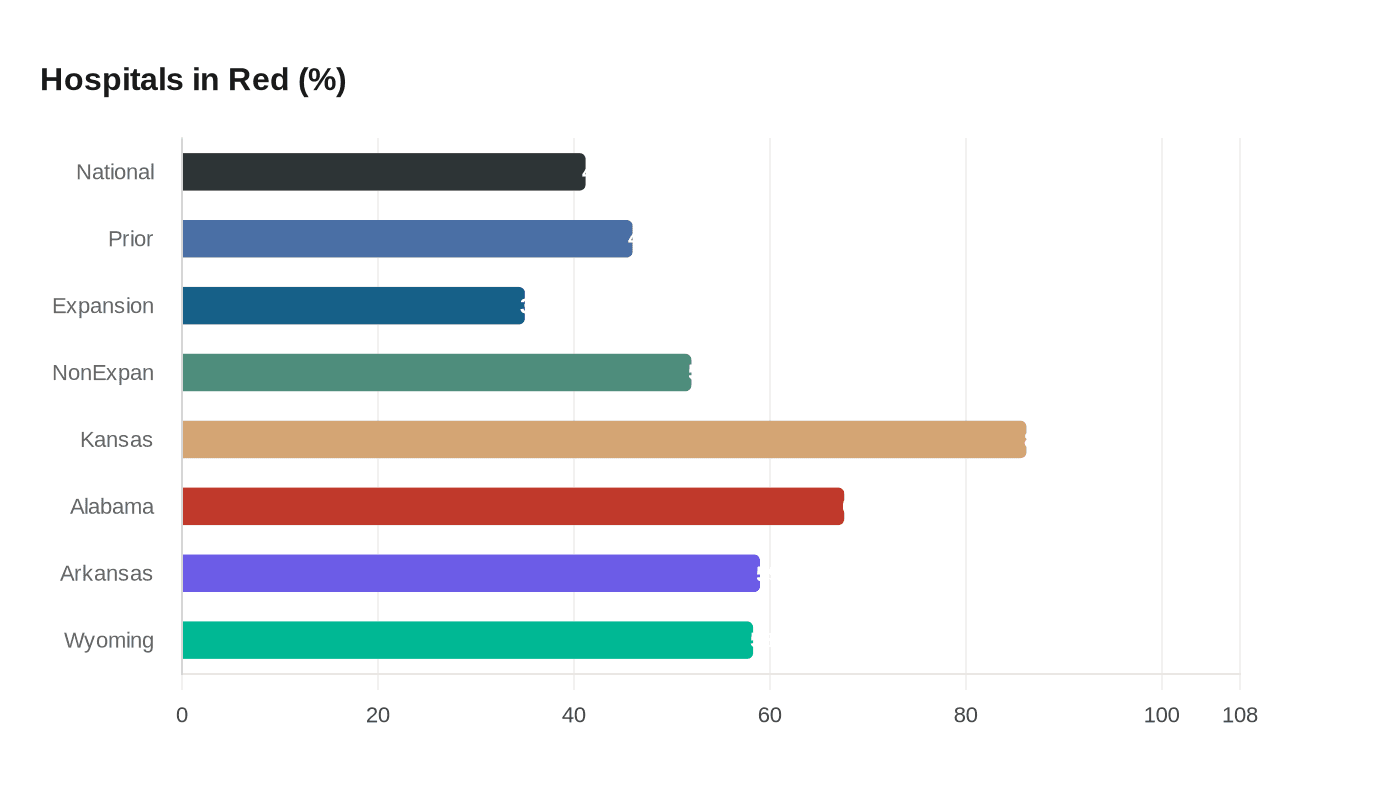
State-level extremes in Chartis’ data pose a cautionary picture for rural communities. Business Wire cites Chartis numbers showing Kansas with 86.2% of rural hospitals in the red, Alabama 67.6%, Arkansas 59% and Wyoming 58.3%. Chartis also reports that 15 states have more than half of their rural hospitals operating with negative margins, while only six states have fewer than 25% in the red. Chartis analyzed 2,081 rural hospitals for components of the study and notes that 206 rural hospitals have closed or converted to models that exclude inpatient care, such as Rural Emergency Hospital conversions, since 2010.
Chartis refreshed safety-net indicators and identified declining access to OB, chemotherapy and general surgery among leading service losses. The consulting center lists reimbursement pressure, dwindling access to care and declining population health status as primary drivers of instability. Michael Topchik, executive director of the Chartis Center for Rural Health, called the Rural Health Transformation Program an important policy development, saying, “The Rural Health Transformation Program is an unprecedented infusion of funding, and we’re pleased to see so many states directing their efforts at entrenched challenges such as workforce development, health outcomes, and technology modernization.”
At the same time Chartis warns of policy headwinds: “The Medicaid cuts that take effect in 2027 will intensify efforts to stabilize the financial viability of rural hospitals. Rural hospitals need to plan for those cuts while using RHT funding at the state level to deliver the maximum benefit from those programs and initiatives to the communities they serve,” Chartis advises in its press materials distributed February 10, 2026. Chartis’ release cites KFF and Politico reporting on the broader Rural Health Transformation Program and reconciliation-law funding that inform the federal context.
For Owsley County, the Chartis findings come with concrete choices for local leaders and providers. Booneville Sentinel’s March 3 coverage highlighted Chartis’ warnings; Chartis offers state and national data tables, heat maps and a data visualization compendium and can be reached at CCRH@Chartis.com for detailed state-level breakdowns that local hospitals and county health services may need to assess preparedness for 2027 Medicaid changes. Without targeted planning to leverage Rural Health Transformation Program resources while preparing for the 2027 Medicaid shift, Chartis’ analysis suggests the county could see further erosion of the services residents rely on.
Know something we missed? Have a correction or additional information?
Submit a Tip