New chronic wasting disease case found in Wayne County, neighbors Decatur County detection
The Tennessee Wildlife Resources Agency reported a positive chronic wasting disease test in Wayne County on December 18 after a road killed deer, coming about two weeks after a separate positive detection in neighboring Decatur County. The development matters to local hunters and residents because it increases scrutiny of deer movement, could expand management zone restrictions, and raises concerns about impacts on subsistence meat supplies and local wildlife management.
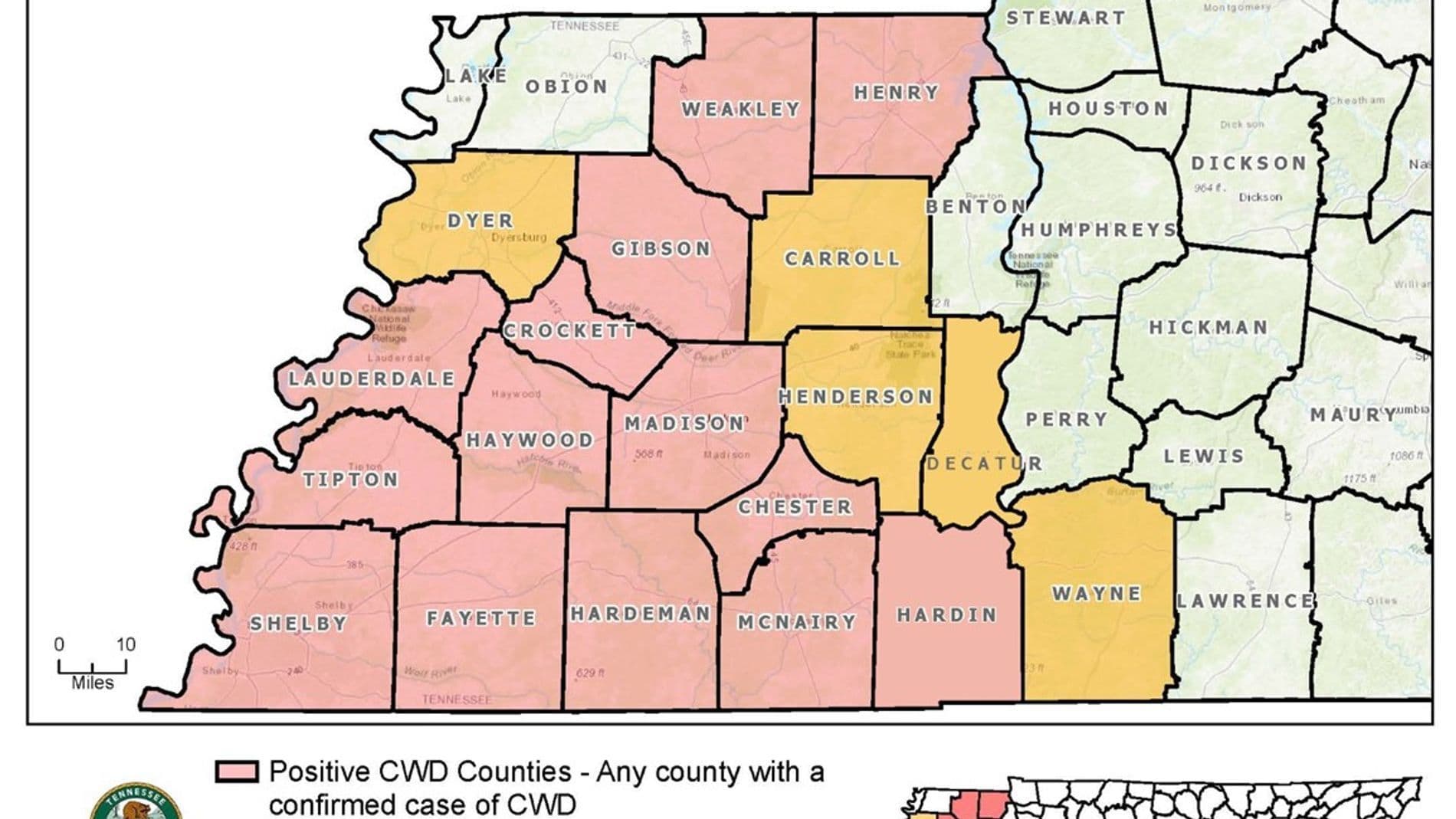
The Tennessee Wildlife Resources Agency confirmed on December 18 that a road killed deer in Wayne County tested positive for chronic wasting disease, a fatal prion illness that affects deer, elk and other cervids. The announcement followed roughly two weeks after agency testing identified a positive CWD detection in neighboring Decatur County, bringing renewed attention to surveillance and control efforts across the region.
CWD causes progressive deterioration in affected animals, with typical signs that include weight loss and stumbling or ataxia. Public health authorities note there is no known transmission of the disease to humans, but the finding prompted the agency to remind hunters about existing management zone restrictions and carcass transport rules that are applied when CWD is detected. TWRA said it has submitted thousands of samples for testing this hunting season as part of an expanded surveillance effort.
For residents of Decatur County the proximity of this latest case carries immediate practical implications. Hunters may face additional testing requirements or limits on moving deer carcasses across management zone boundaries, and local meat processors and food sharing networks could see disruptions if restrictions expand. Low income households and families that rely on venison as an affordable protein source are particularly vulnerable to these ripple effects. Wildlife managers will need to balance disease control measures with ensuring equitable access to information and testing.
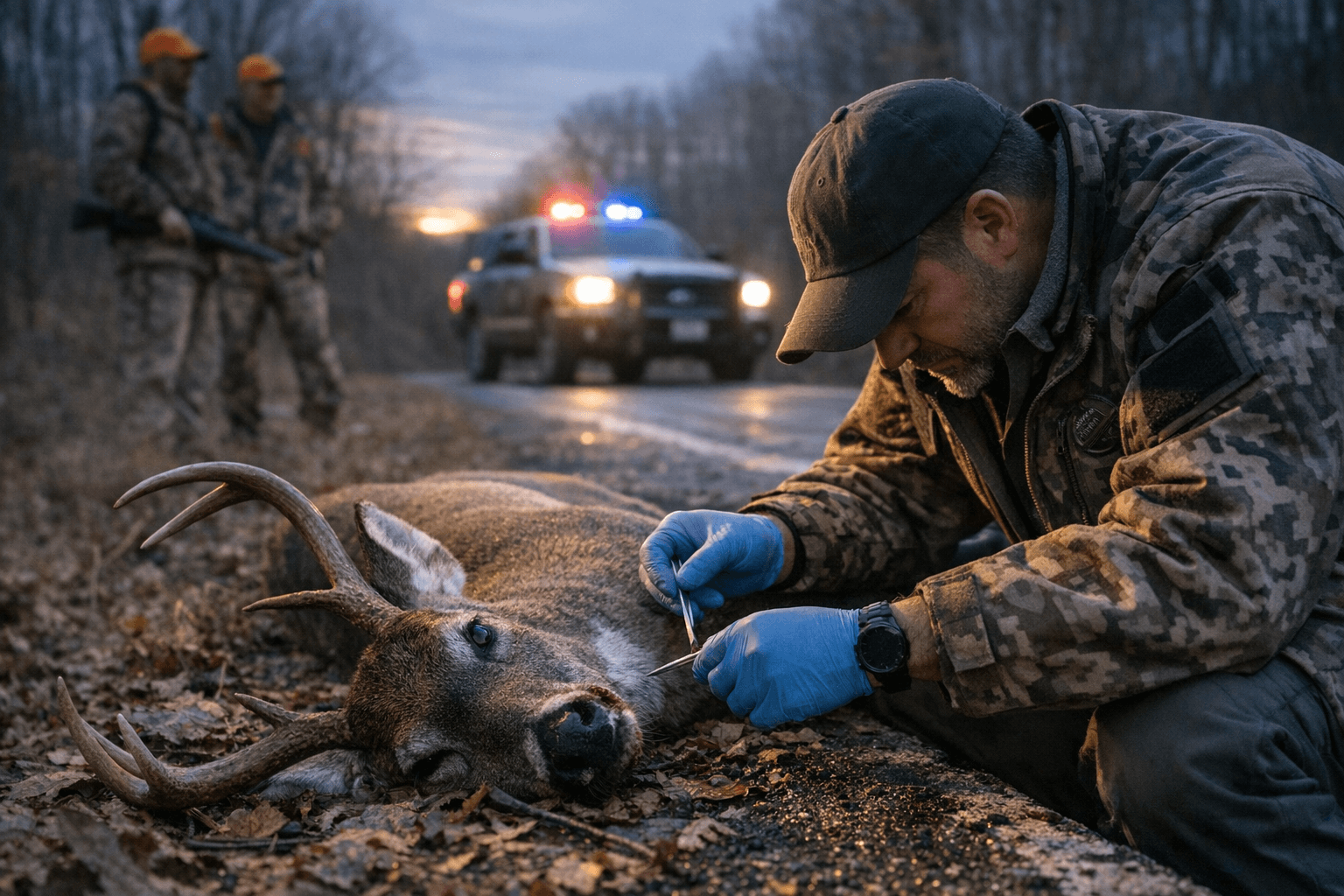
The detection in Wayne County also fits into a larger pattern of statewide surveillance. TWRA framed the new finding within Tennessee’s broader monitoring program, noting that the agency has recorded CWD in multiple counties and continues to trace patterns of spread through hunter submitted and road kill sampling. The agency emphasized continued testing and urged hunters to comply with carcass movement rules and to report animals that appear sick.
Policy questions are now likely to move to the fore locally, including how management zones are drawn, how testing is funded and how outreach reaches rural and low income hunters. In the near term residents should remain alert to TWRA updates about any changes to restrictions, and hunters should follow agency guidance on sample submission and carcass handling to help protect both wildlife health and community food resources.
Sources:
Know something we missed? Have a correction or additional information?
Submit a Tip