New federal loan caps push graduate students toward private debt
Graduate students were 16.8% of borrowers but drew 46.6% of federal loan dollars, and new $20,500 caps could push PA students into private debt.
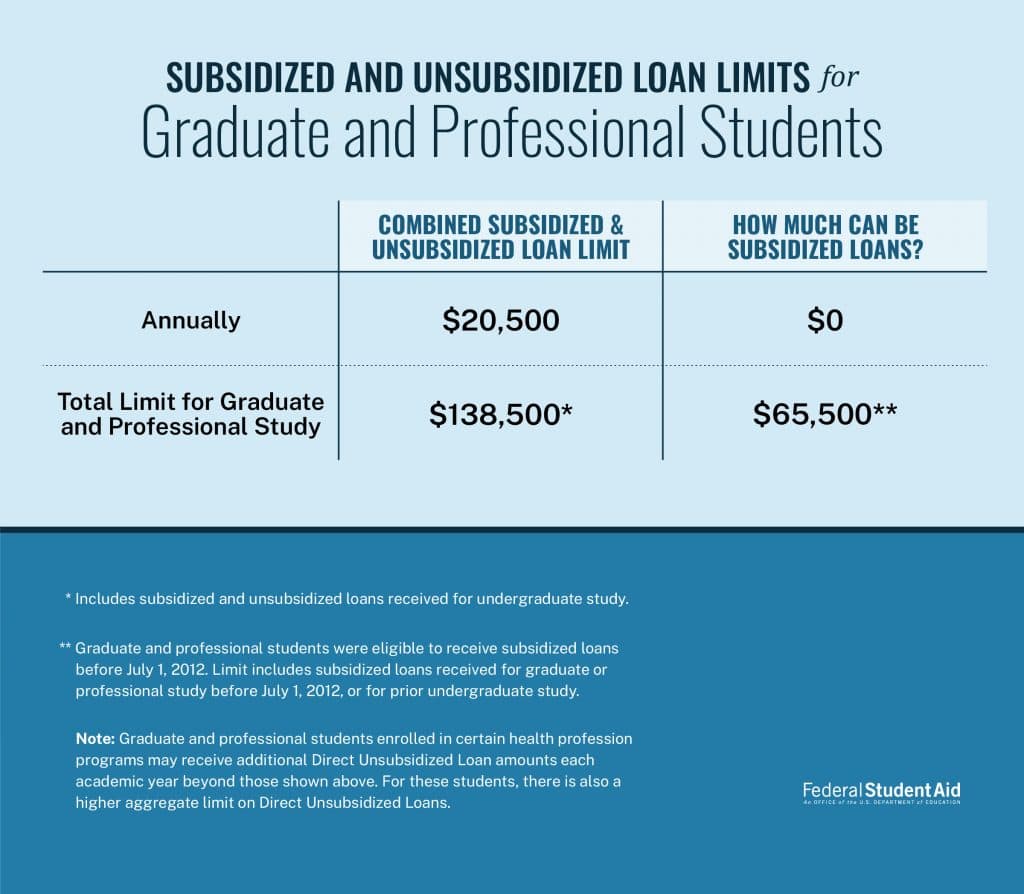
Federal Student Aid set new federal borrowing limits on July 1, capping graduate students at $20,500 a year and professional students at $50,000, while ending Grad PLUS for new borrowers. Physician assistant programs are usually master’s degrees, and their costs often run well above the new ceiling.
Graduate PLUS loans first disbursed between July 1, 2025, and July 1, 2026, carried a fixed interest rate of 8.94%. Beginning July 1, 2026, graduate and professional students starting a new course of study, moving to a new school, or taking out a Direct Loan for the first time in a program were no longer eligible for a Grad PLUS loan, although limited exceptions remained for some students already enrolled without a break in the same program and school. The rules were written under the One Big Beautiful Bill Act and related final rules to curb overborrowing and push schools to control costs.

Graduate students made up 16.8% of borrowers in 2024-25 but received 46.6% of total loan disbursements. Under the new structure, professional students face a $50,000 annual cap and a $200,000 lifetime cap, but that still leaves many health professions with gaps large enough to send students to private lenders, where rates are typically higher and repayment terms less forgiving.
The Bureau of Labor Statistics data show physician assistants had a median annual wage of $133,260 in May 2024, but students must first finance an accredited master’s program and then obtain licensure in every state. Available tuition data put average graduate tuition and fees for PA programs at about $12,279 for in-state students and $24,851 for out-of-state students in 2024-25. Broader program estimates placed the average total cost of a 27-month PA program near $98,075 for residents and $107,288 for nonresidents. At East Carolina University in Greenville, North Carolina, estimated total tuition and fees reached about $53,353.64 for residents and $103,167.14 for nonresidents, before housing, books, and clinical rotation costs.
The American Academy of Physician Associates and the Physician Assistant Education Association filed suit June 3 in U.S. District Court for the District of Columbia, arguing that a $20,500 annual cap falls far short of what PA school costs and would create an immediate barrier to entering the profession.
This article was produced by Prism’s automated news system from verified source data, official records, and press releases, then run through automated quality and moderation checks before publishing. The system is built and supervised by the people who set the standards it runs under. Read our full AI policy.
Did this article answer your question?

