New Free E-Library Brings 60 Years of Shade-Grown Coffee Research
Coffee Watch and CATIE launched a free e-library of 1,317 references, opening 60 years of shade-grown coffee research to origin actors, roasters and researchers.
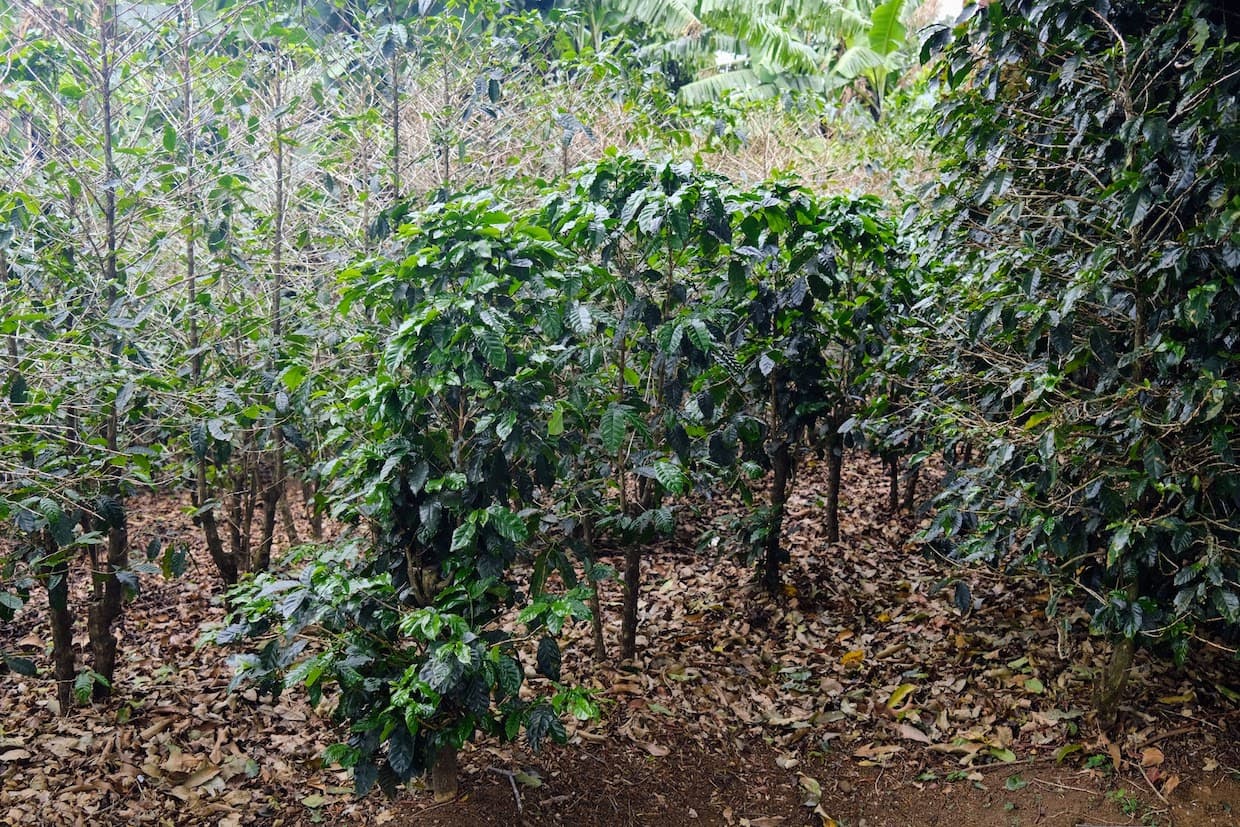
A new online Coffee Agroforestry E-Library was launched on January 20, 2026, making 1,317 academic references on shade-grown coffee freely accessible. The nonprofit Coffee Watch partnered with the Tropical Agricultural Research and Higher Education Center (CATIE) to assemble more than six decades of literature on agroforestry, biodiversity, climate resilience and farmer-centered practices into a single, searchable collection.
The collection targets the people who shape coffee on the ground: origin governments, NGOs, cooperatives, roasters and researchers. By removing barriers to access, the e-library aims to speed evidence-based decision making across policy, extension services and supply-chain sustainability programs. Smallholder farmers, extension agents and cooperative managers now have a centralized source to consult when weighing trade-offs between canopy cover, yield and ecosystem services.
Coverage spans classic and contemporary work on shade-grown systems, biodiversity outcomes under different canopy compositions, and strategies that link climate resilience with farmer livelihoods. For researchers, the database offers a foundation for meta-analyses and comparative studies that can identify gaps in regional knowledge or long-term trends. For roasters and supply-chain teams, the literature provides documented outcomes that can inform sourcing strategies, sustainability claims and support for producer-level interventions.
Historically, much agroforestry research has been dispersed across journals, theses and institutional reports, often behind paywalls or difficult to locate from origin countries. Centralizing these references lowers the transaction costs of research and extension, particularly for partners that lack institutional subscriptions. That accessibility matters for on-the-ground projects that require rapid synthesis of evidence to design shade management, agroforestry incentives or climate adaptation practices.

The e-library also creates practical opportunities for cooperatives and NGOs to bolster funding proposals and training curricula with directly cited research. Extension programs can draw on regionally relevant studies to justify trial plots or producer trainings, and researchers can accelerate collaboration by building on a common reference set. The aggregation supports more transparent, accountable decision making in origin landscapes where trade-offs between biodiversity and productivity are negotiated every planting season.
As the coffee community digests this resource, expect quicker translation of academic findings into field practice, and clearer linkages between sourcing commitments and ecological outcomes. Verify sources when applying studies to local contexts, and treat the e-library as a living base for adaptation, not a one-size-fits-all prescription. For growers, cooperative leaders and roasters, the practical next step is to explore the collection and start aligning research-backed practices with the realities of your farms and supply chains.
Know something we missed? Have a correction or additional information?
Submit a Tip