New historical marker entry highlights Marks civil rights and landmarks
A revised historical marker entry published on Dec. 14, 2025 documented the Quitman County Courthouse marker at 330 Pecan Street in Marks and listed nearby historic sites connected to local civil rights history. The update matters because it consolidates documentary photos and inscription material, offering a clearer public record that can inform preservation priorities, civic education, and community engagement across the county.
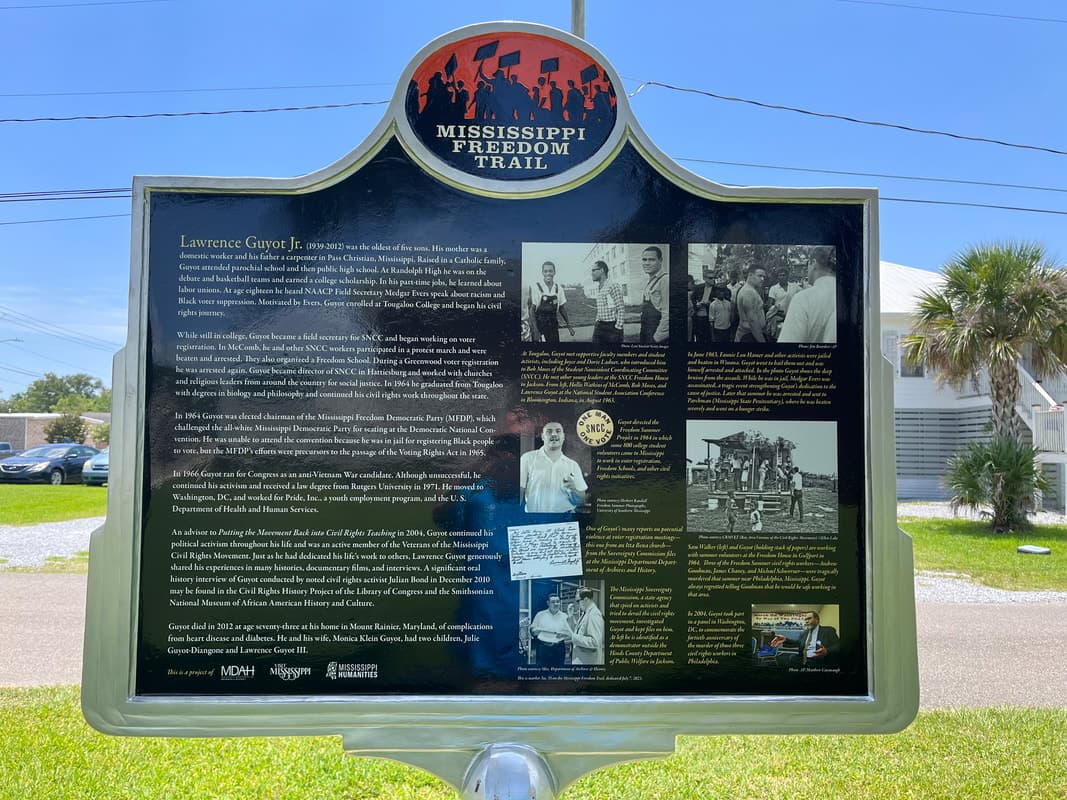
The Historical Marker Database updated its entry on Dec. 14, 2025 to include photographs and inscription material for the Quitman County Courthouse marker located at 330 Pecan Street, Marks MS 38646. The entry also enumerated a network of downtown markers that together map a concentrated set of civic and cultural sites. Those listed include Downtown Marks, Eudora A.M.E. Zion Church, Silent Grove Baptist Church, the SCLC Office, Cotton Street Neighborhood, Marks Mule Train and Poor Peoples Campaign, Madison S. Palmer High School, among others.
This consolidation places the courthouse marker in context as part of a local landscape shaped by governance, faith institutions, education, and organized civil rights activity. The courthouse sits at the intersection of legal authority and community memory, and the documentation of nearby markers underscores Quitman County's role in regional movements that addressed voting rights, economic justice, and community organizing. The photographs and inscription material offer primary source material that local officials, educators, and preservation groups can reference when planning interpretation and outreach.
For residents the updated entry has practical implications. Clear documentation can strengthen applications for preservation grants, guide heritage tourism promotion, and provide teachers with verified material for local history lessons. For civic actors the aggregation of markers highlights places historically associated with voter registration drives and organized mobilization, which remain relevant to contemporary conversations about turnout and civic participation in small counties.

Institutionally, the entry raises questions about how county government, state agencies, and nonprofit partners coordinate on marker maintenance and site interpretation. Funding decisions, signage upkeep, and access improvements will determine whether these documented sites translate into durable public benefit. The database revision creates an opportunity for municipal leaders and community groups to use a shared factual record as the basis for transparent planning, targeted preservation investments, and programs that connect younger residents to the county's civic history.
Sources:
Know something we missed? Have a correction or additional information?
Submit a Tip