New iPhones vulnerable to boot-level exploit, researchers warn
A12 and A13 iPhones can be boot-jailbroken with an unpatchable flaw, but only after physical access and DFU mode over USB.

Older iPhones and several Apple devices now sit behind a flaw that software updates cannot close. Paradigm Shift said its new proof-of-concept exploit, usbliter8, targets BootROM and SecureROM, the first code an iPhone runs at startup, which is burned into the chip at manufacture and cannot be patched in software.
The affected hardware reaches across Apple’s A12 and A13 chip families, plus Apple Watch S4 and S5 chips. That means iPhone XS, XS Max, XR, the iPhone 11 lineup, the second-generation iPhone SE, some iPads, Apple Watch Series 4 and 5, the first-generation Apple Watch SE and HomePod mini. Researchers said A14 and later hardware appears to have fixed the underlying conditions, while A11 chips are not affected in the same way because their USB implementation resets the pointer after each packet.
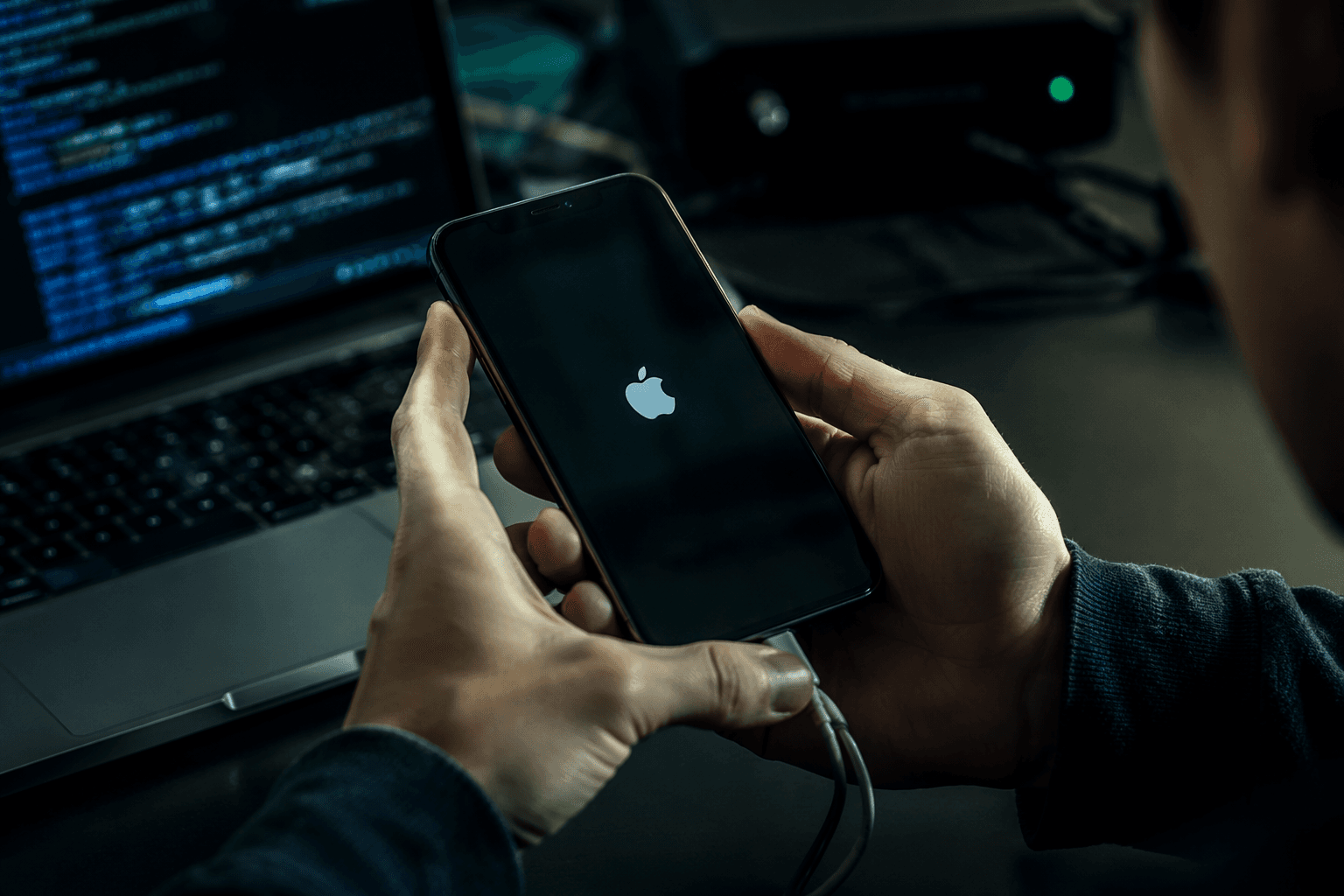
The exploit does not work like a remote break-in. It requires physical access to the device and a forced trip into DFU mode over USB, which sharply limits the threat from phishing messages, malicious links or drive-by attacks. Once inside, the proof of concept can run unsigned code during boot, load custom iBoot images without signature checks, alter DFU behavior and mark a compromised device with the familiar PWND string in the USB serial number.
That makes the bigger immediate risk less about a mass consumer crime wave and more about hands-on abuse. Stolen or seized devices are the most obvious target, and the public release also feeds the gray-market jailbreak world, where a BootROM flaw can be reused, studied and extended long after the original disclosure. The Secure Enclave is not directly compromised, but researchers said a BootROM compromise can widen attack avenues inside Apple’s security model.
Paradigm Shift released the exploit after coordinated disclosure with Apple Product Security, and no software fix is possible for affected devices. The only permanent repair is newer hardware. The finding echoes checkm8, the last widely known public BootROM exploit, which surfaced in 2019 and reached from the iPhone 4S through the iPhone X. Usbliter8 pushes that public BootROM era into a newer generation of Apple chips, and leaves owners of affected older devices with a simple but uncomfortable reality: lock the phone down physically, or move to hardware that was not built around this flaw.
This article was produced by Prism’s automated news system from verified source data, official records, and press releases, then run through automated quality and moderation checks before publishing. The system is built and supervised by the people who set the standards it runs under. Read our full AI policy.
Know something we missed? Have a correction or additional information?
Submit a Tip