New Jersey and Pennsylvania move to curb AI data center growth
New Jersey and Pennsylvania are tightening rules as AI data centers fuel backlash over utility bills, water use and grid strain.
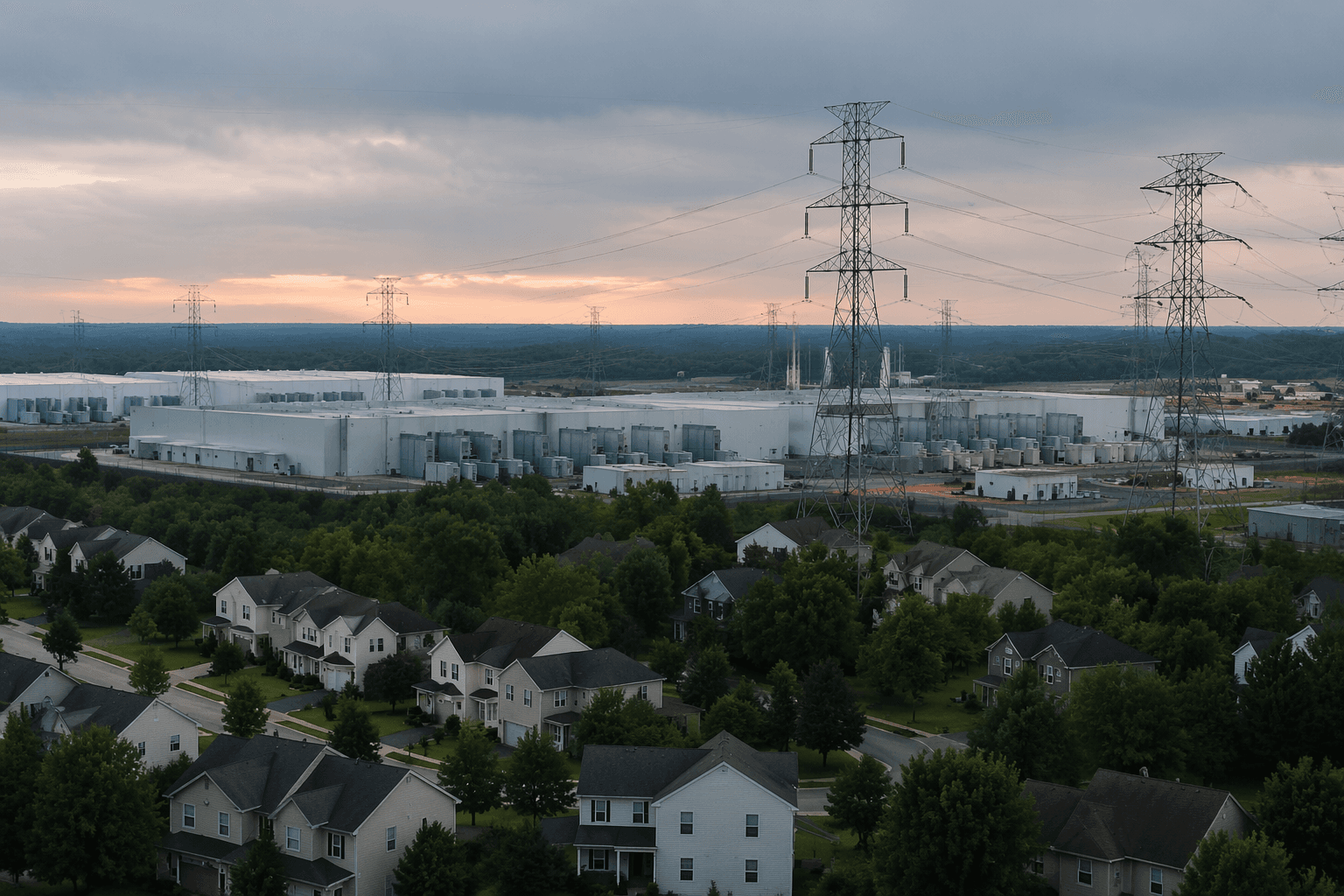
States courting AI investment are also trying to rein in the costs, and New Jersey and Pennsylvania are now drawing a sharper line around who pays for the boom. In both states, the fight over AI data centers has turned into a test of whether rapid buildout will deliver jobs and tax revenue, or push higher electricity bills, water demand and neighborhood disruption onto residents.
In New Jersey, Gov. Mikie Sherrill on May 27 announced a statewide plan she described as guardrails for data centers, arguing that the facilities are a major driver of rising energy costs and should pay their own way on electricity, transparency and community impacts. Her office said the plan is meant to address the effects of data centers on energy demand, resource use and local communities while still keeping New Jersey competitive in AI innovation.
The move followed legislative efforts already underway in Trenton. Bills advanced in April 2026 would require large data centers using 100 megawatts or more to cover at least 85% of their requested electricity for a minimum of 10 years, while also reporting energy and water consumption to regulators twice a year. The pressure on Sherrill was intense: dozens of New Jersey groups petitioned her to impose a ban, as backlash widened over rising utility bills, noise, water use, property taxes and concerns about secret deals with towns.

Pennsylvania moved in a similar direction. Gov. Josh Shapiro unveiled the full Governor’s Responsible Infrastructure Development, or GRID, Standards on May 27, expanding on a framework he first laid out in his February 2026-27 budget address. The standards would tie state support, including faster permitting and access to tax incentives, to expectations that developers fund their own power generation, provide transparency about end users, contribute to communities and meet environmental-sustainability standards.
Shapiro said Pennsylvania should be selective about projects because residents are worried about affordability, air and water pollution, noise and quality of life. The political stakes are visible in Archbald, Pennsylvania, where local reporting says the municipality has the most proposed data-center campuses in the state. Together, the two governors are signaling a broader policy split: states still want the capital and construction that AI promises, but they are increasingly unwilling to let data-center growth proceed without hard limits on energy, water and infrastructure costs.
This article was produced by Prism’s automated news system from verified source data, official records, and press releases, then run through automated quality and moderation checks before publishing. The system is built and supervised by the people who set the standards it runs under. Read our full AI policy.
Did this article answer your question?

