New Mexico governor primary tests Haaland, Bregman in open race
Deb Haaland’s national profile met Sam Bregman’s local muscle as New Mexico chose an open governor primary. Nearly 80% of independents leaned Democratic.
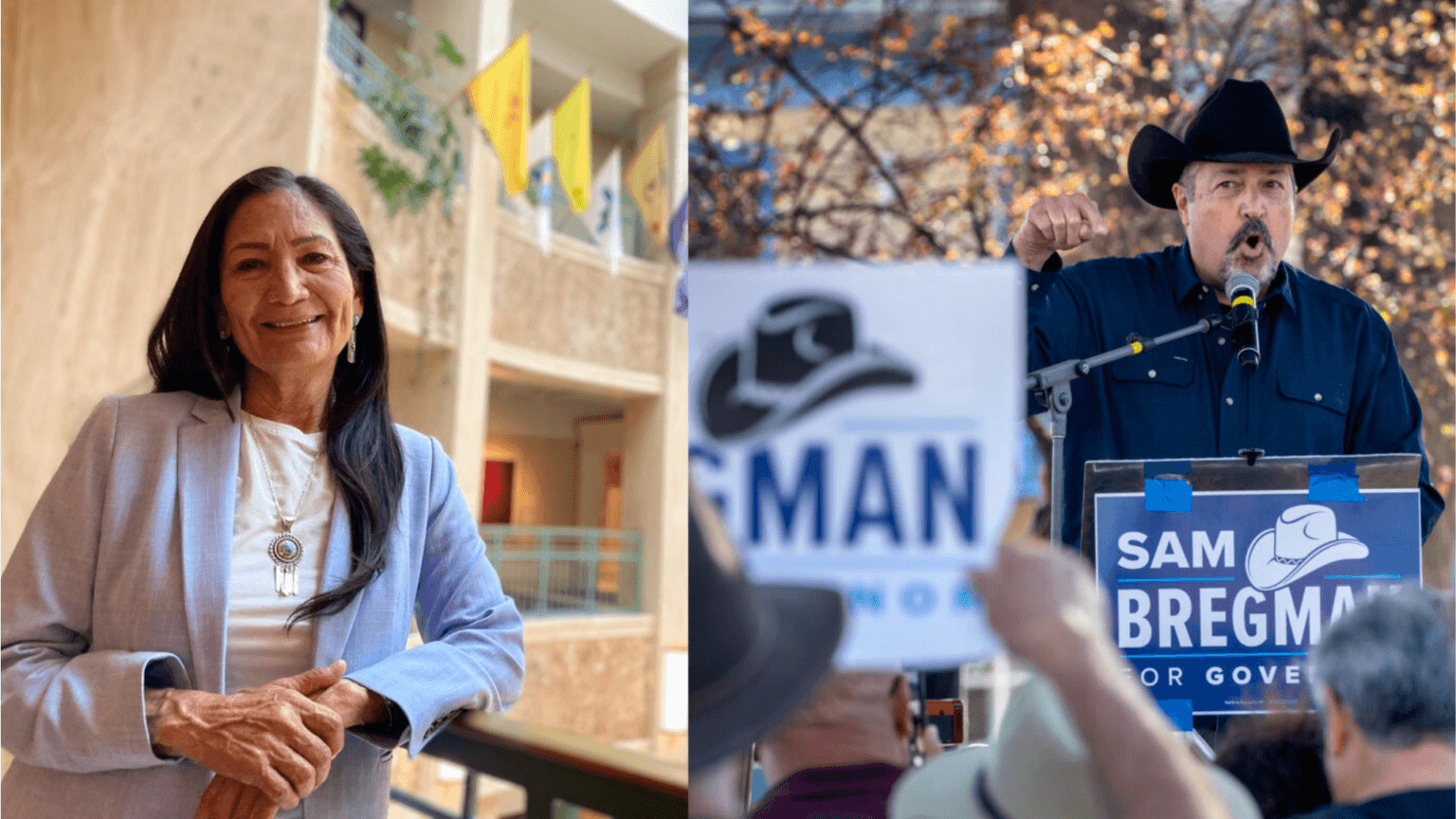
New Mexico voters chose party nominees for governor in an open race that has become a test of whether national stature can translate into statewide votes. For Democrats, the central contrast was Deb Haaland, the former U.S. secretary of the interior and former representative for New Mexico’s 1st Congressional District, against Sam Bregman, the Bernalillo County district attorney.
Haaland entered the contest with a résumé that reached far beyond Santa Fe and Albuquerque. She is the first Native American to serve as a U.S. cabinet secretary and an enrolled member of Laguna Pueblo, a biography that gave her outsized name recognition in a state where Native communities and Latino voters both shape Democratic coalitions. Bregman, by contrast, leaned on a local law-and-order profile rooted in Bernalillo County, home to Albuquerque and a large share of the state’s electorate.
The race unfolded against a bleak backdrop. New Mexico was wrestling with high violent-crime rates, chronically underperforming schools and possible cuts to federal safety-net programs, even as state revenues have been lifted by the oil boom. Those pressures made the governor’s race less about personality than about which coalition could hold together after Gov. Michelle Lujan Grisham, who is term-limited and cannot seek a third consecutive term.
That question cut across the state’s fault lines. Latino voters, Native communities, Albuquerque-area moderates and rural Democrats all carried extra weight in a contest where early reporting showed nearly 80% of independent voters choosing the Democratic ballot. In an open primary, that level of crossover mattered because independents were not just spectators; they were helping decide which message, and which candidate, could build a winning majority in November.

Republicans also had their own three-way fight, with Gregg Hull, Duke Rodriguez and Doug Turner competing for their party’s nomination. But the broader shape of the general election was already clear: the winner of the governor’s race was expected to be favored on November 3, 2026, making the primary effectively the first and most important round of the contest.
For Haaland, the race measured whether a historic national profile could outrun local power networks and retail politics. For Bregman, it tested whether Bernalillo County muscle and a tough-on-crime message could blunt her advantage. The result will help define the post-Lujan Grisham coalition in a state where tribal voters, city moderates and rural Democrats may decide whether New Mexico keeps choosing familiar local power or turns to a candidate with a national brand.
This article was produced by Prism’s automated news system from verified source data, official records, and press releases, then run through automated quality and moderation checks before publishing. The system is built and supervised by the people who set the standards it runs under. Read our full AI policy.
Did this article answer your question?

