New Mexico Wildlife Center secures over $50,000 to expand animal care diagnostics
New Mexico Wildlife Center announced it raised more than $50,000 in donations and grants to buy ultrasound diagnostic tools and other supplies to expand animal-care diagnostics.
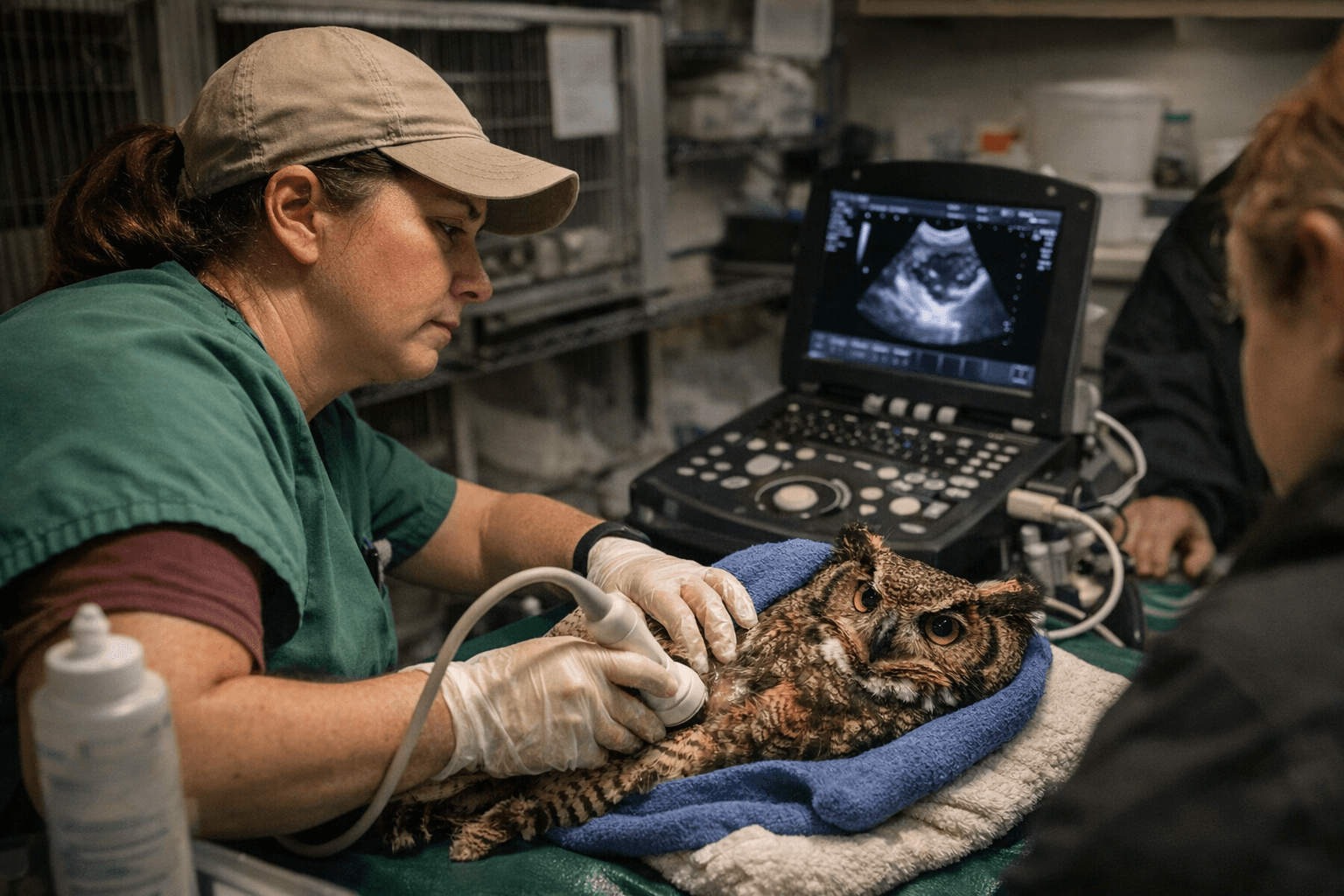
New Mexico Wildlife Center announced Feb. 21, 2026 that donations and grants totaling more than $50,000 allowed the organization to purchase ultrasound diagnostic tools and additional supplies to expand its animal-care diagnostics. KRQE reported the funding figure, and the center said the new equipment will increase its capacity to assess and treat wildlife brought to its facility.
The funding package came from a mix of public-facing donations and grant awards, the center reported on Feb. 21. Center leaders used the combined funds to acquire ultrasound machines along with consumable supplies and diagnostic accessories that the announcement identified as priorities for improving on-site evaluations of injured or ill animals.
Staff at the New Mexico Wildlife Center will deploy the ultrasound tools in triage and follow-up care, the center said in its announcement. The addition of imaging capabilities is intended to reduce reliance on external clinics for some diagnostics, allowing veterinary technicians and rehabilitators to make more rapid decisions during the initial assessment and treatment phases.
KRQE’s reporting on the Feb. 21 announcement highlighted the total raised as "more than $50,000," a level of community and grant support the center characterized as enabling immediate purchases. The center’s statement listed ultrasound diagnostic tools and "other supplies" as the initial acquisitions supported by the donations and grants.
The center’s acquisition of diagnostic equipment follows an operational model in which rehabilitation facilities invest donor funds in capital medical tools to broaden in-house care. By purchasing ultrasound units and related supplies with the donated and grant funding reported Feb. 21, the New Mexico Wildlife Center positioned itself to handle a larger share of diagnostic work directly at its facility, which the center said will improve its animal-care capacity going forward.
Sources:
Know something we missed? Have a correction or additional information?
Submit a Tip