New Mexico’s PFAS lawsuit against Air Force could reshape national claims
New Mexico’s Air Force PFAS case could force the Pentagon to pay for cleanup far beyond state lines, turning a local water fight into a national test of liability.
The contamination that made the case unavoidable
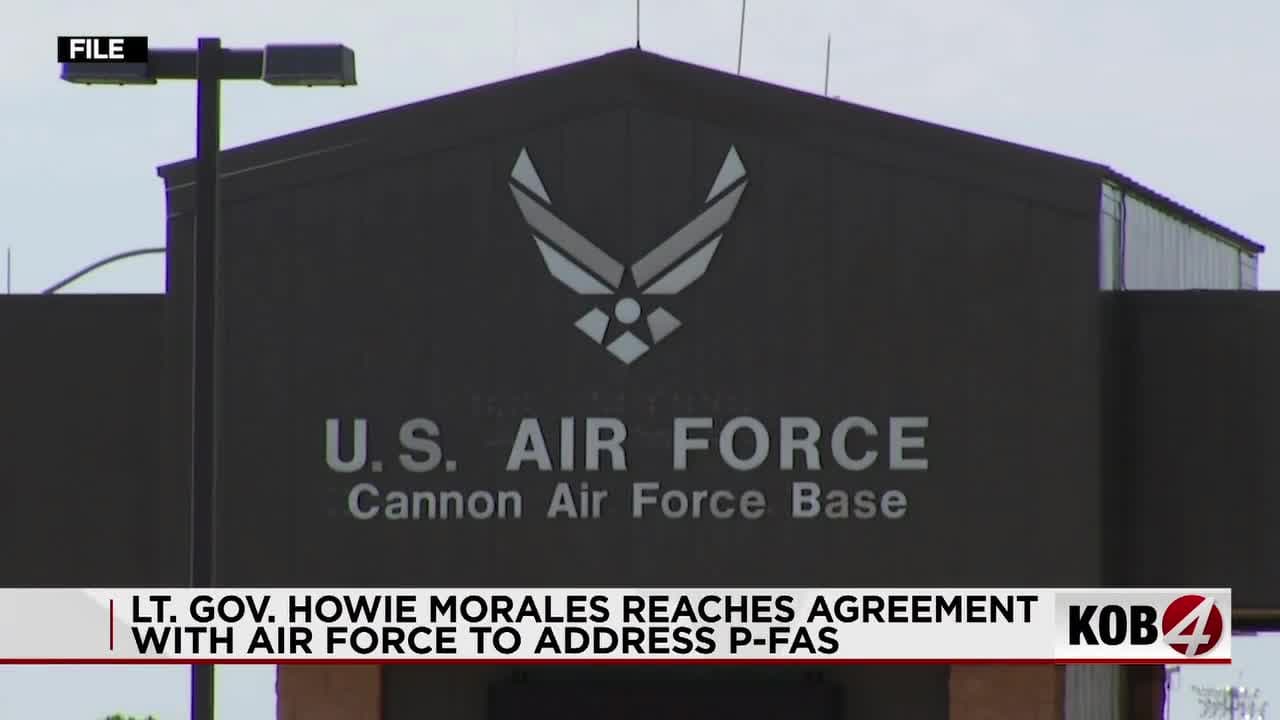
PFAS pollution near Cannon Air Force Base and Holloman Air Force Base has pushed New Mexico into a legal fight that could decide who pays when military contamination reaches wells, farms, and drinking water. The state says firefighting foam used at the bases seeped into groundwater and spread into drinking water, farmland, and livestock, turning a technical pollution problem into a direct threat to rural communities.
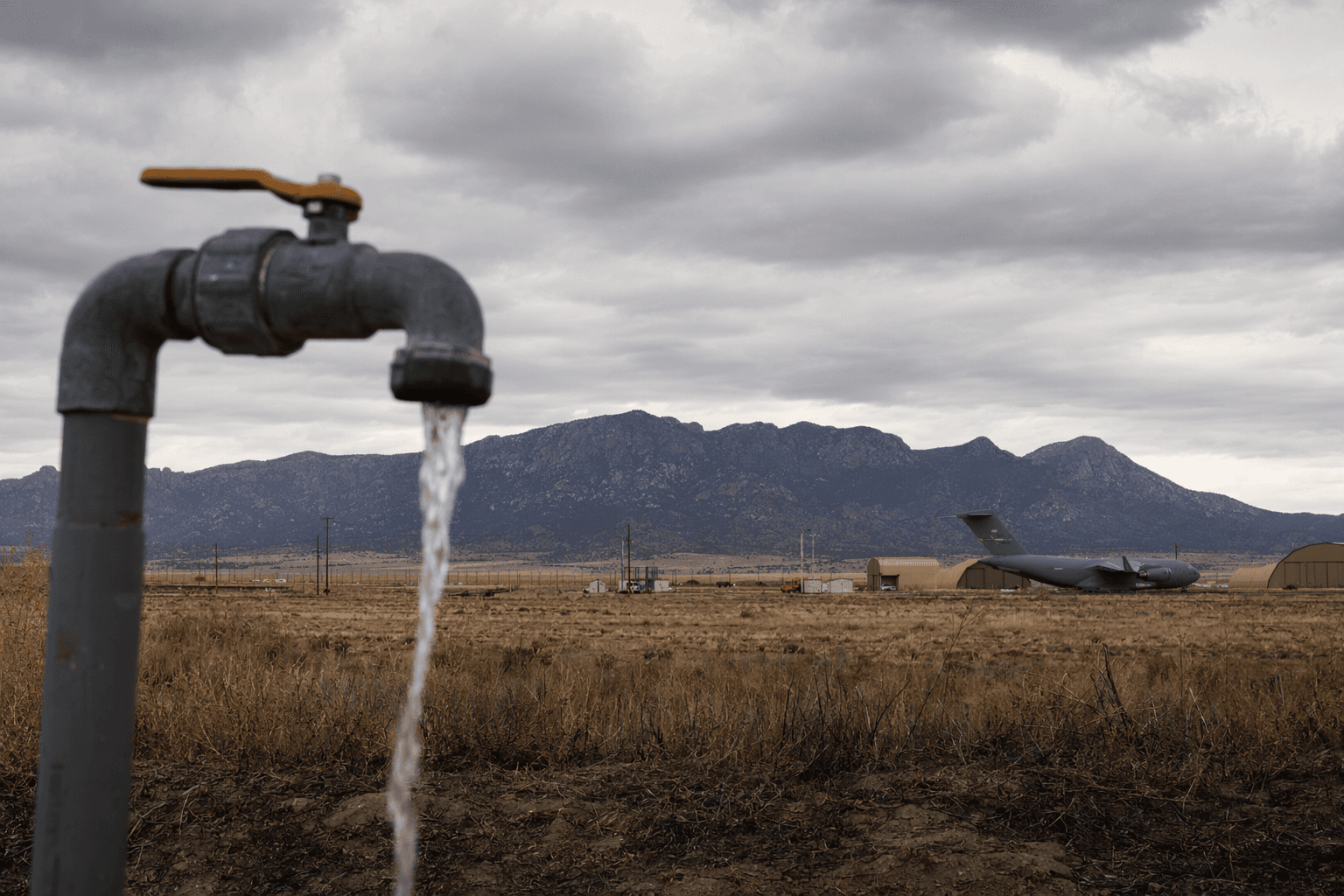
At Holloman, the state says PFAS-laden foam washed up on the shores of Holloman Lake, a man-made lake the base used for wastewater disposal for decades. In Curry County, the harm has been felt around private wells and dairy operations, where contamination can quickly become a public health issue, an economic loss, and a question of who bears the burden of cleanup when the source is federal.
State officials have also pointed to a 4,000-gallon PFAS spill at Cannon that they say was not immediately reported by the Air Force. That detail matters because PFAS cases often turn on more than contamination itself. They also turn on notice, delay, and whether communities had any chance to protect themselves before pollutants reached water supplies and soil.
How New Mexico turned local damage into a statewide legal strategy
New Mexico first sued the U.S. Department of the Air Force in 2019, after the contamination near Cannon and Holloman came to light. The state’s latest lawsuit, filed on June 23, 2025, was brought by the New Mexico Environment Department and the New Mexico Department of Justice and builds on that earlier action with a broader push to force cleanup and compensation.
House Bill 140, signed by Gov. Michelle Lujan Grisham in 2025, expanded New Mexico’s authority over PFAS cleanup and gave state officials a stronger legal footing. That matters because PFAS policy has often lagged behind the science, leaving states to fight over who has the power to make polluters act, how fast cleanup should happen, and whether affected residents get reliable access to safe water.
The lawsuit seeks several forms of relief that go beyond stopping future pollution. New Mexico wants the Air Force to stop non-emergency PFAS foam use, install water treatment, extend drinking-water lines to affected residents, add stormwater controls, and compensate property owners for losses tied to the pollution. In practice, that means the case is not just about stopping a chemical, but about rebuilding trust in water systems that should never have been contaminated in the first place.
For communities around Clovis and across Curry County, those remedies are not abstract. Water treatment and drinking-water lines can determine whether families keep using private wells or must depend on expensive temporary fixes. Compensation matters too, because PFAS contamination can depress property values, strain farm operations, and leave residents with costs they did not cause and cannot easily absorb.
Why the case could shape national PFAS claims
The stakes reach well beyond New Mexico. The state’s claims are moving within the South Carolina multidistrict PFAS litigation, which includes 10,000-plus cases from across the country. Federal judges have signaled that New Mexico’s Cannon case could serve as a bellwether for PFAS claims under Superfund law, making it a potential reference point for how courts handle federal liability in future cases.
That is why this lawsuit is being watched as a national precedent, not just a regional dispute. If New Mexico prevails, states could gain a stronger path to force the federal government to pay for PFAS cleanup when military operations contaminate local water supplies. The budget implications would be significant: the Pentagon could face larger cleanup obligations, and taxpayers would ultimately absorb more of the cost unless Congress or the Department of Defense changes how it funds environmental remediation.
The legal question is especially important because PFAS contamination is sprawling, expensive, and persistent. Cleanup can require long-term water treatment, new infrastructure, ongoing monitoring, and property-level fixes that stretch for years. A ruling that strengthens state authority could ripple through other PFAS cases nationwide, shifting the balance of power in disputes where the federal government has historically had more leverage than affected communities.
What the recent groundwater agreement changes, and what it does not
In recent weeks, New Mexico and the Air Force announced a verbal agreement for collaborative groundwater sampling and cleanup efforts at Cannon. State officials described that as a breakthrough after years of deadlock, and the deal suggests the parties may be willing to work together on at least some parts of the contamination problem.
The March 2025 deal with four Curry County dairy farmers helped move that process forward. By agreeing to test and possibly treat private wells, the state created a concrete pathway for dealing with contamination where it is already affecting livelihoods, and officials have described that agreement as a catalyst for renewed meetings with Air Force leadership.
Still, the broader fight is far from over. Groundwater sampling can reveal how far PFAS has moved, but it does not answer the larger question of who pays for decades of contamination tied to military foam, or how quickly affected residents will see relief. That is why New Mexico’s case now sits at the intersection of public health, environmental justice, and federal spending: it could determine whether communities near military bases have to keep fighting for safe water one well at a time, or whether the government that caused the pollution will finally be forced to pay for the cleanup.
Know something we missed? Have a correction or additional information?
Submit a Tip