New Museum reopens in New York with doubled space, new exhibit
The New Museum returned to the Bowery with twice the space and a new exhibition, turning a two-year shutdown into a statement about uncertainty and reinvention.

The New Museum reopened its doors on the Bowery with a second building, roughly twice the space, and an inaugural exhibition designed to signal a larger ambition for the institution and for New York’s cultural scene. After about two years closed for expansion, the Manhattan museum welcomed the public back on Saturday, March 21, 2026 with “New Humans: Memories of the Future” at the center of its reopening.
For the New Museum, which first opened in 1977 on Prince Street, the expansion was not a routine renovation but a decade-long project that pushed the institution into a new phase. The reopened campus broadens what visitors can expect from the museum, adding space for contemporary art at a moment when museums across the city are being asked to justify not just their collections, but their purpose. The reopening has been treated as one of New York’s major cultural events of 2026, a rare occasion when architecture, exhibition-making and institutional identity all land at once.
Museum director Lisa Phillips described the reopening as a transformative moment for the museum and the city, a formulation that matches the scale of the project itself. The new building and expanded footprint give the New Museum a chance to present itself less as a single venue than as a larger platform for experimentation. That shift has mattered to critics, who have framed the reopening as a rethinking of what a museum can be rather than simply a return to normal operations.
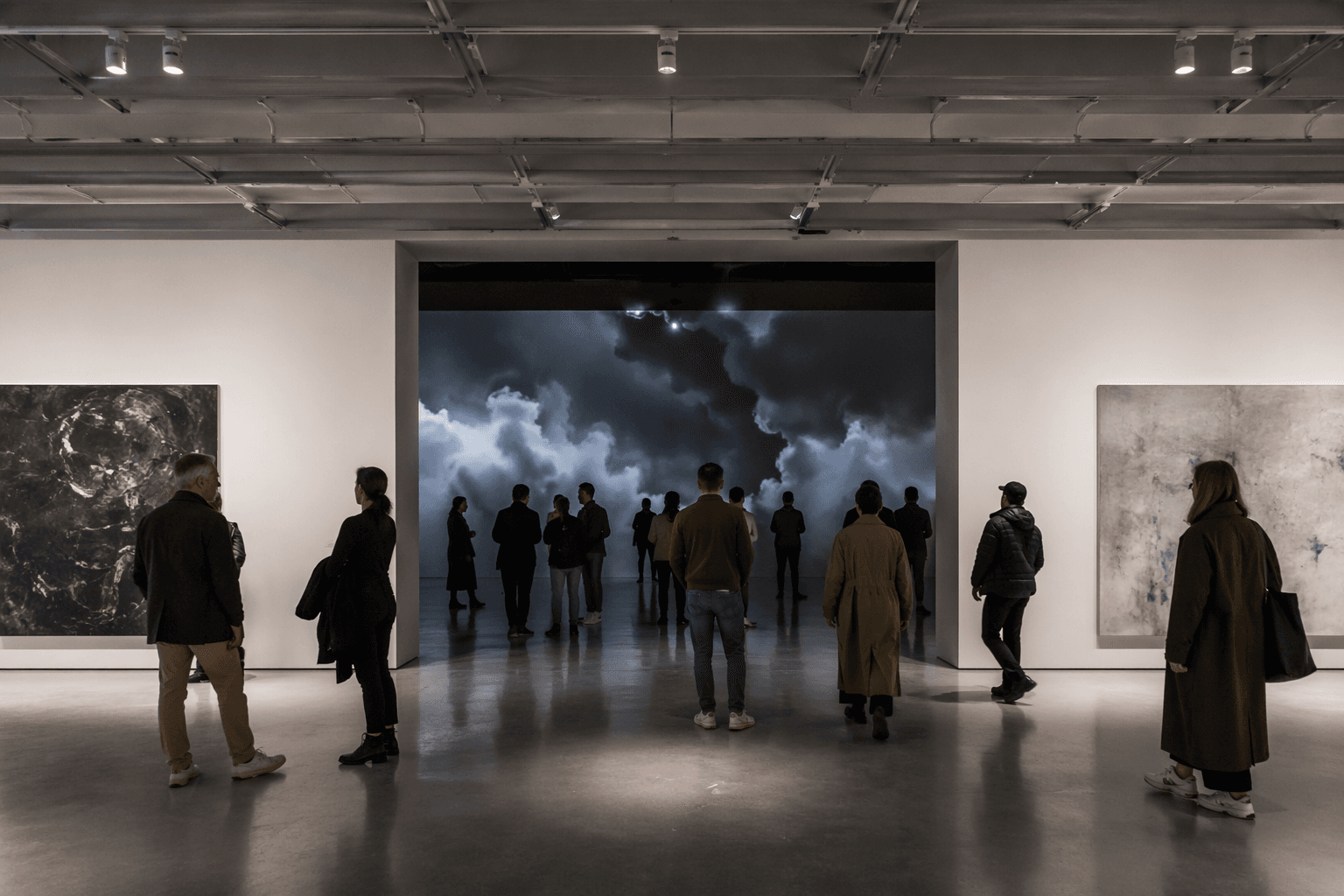
The first exhibition, “New Humans: Memories of the Future,” carries that argument into the galleries. The title alone suggests an institution looking past the certainty of old cultural scripts and into a more unsettled present, one shaped by memory, projection and revision. In that sense, the reopening feels calibrated to the broader mood around public institutions: less faith in grand declarations, more interest in archiving the unstable, the failed and the unfinished. The New Museum, long defined by its willingness to challenge convention, has now made expansion itself part of that mission.
This article was produced by Prism’s automated news system from verified source data, official records, and press releases, then run through automated quality and moderation checks before publishing. The system is built and supervised by the people who set the standards it runs under. Read our full AI policy.
Know something we missed? Have a correction or additional information?
Submit a Tip