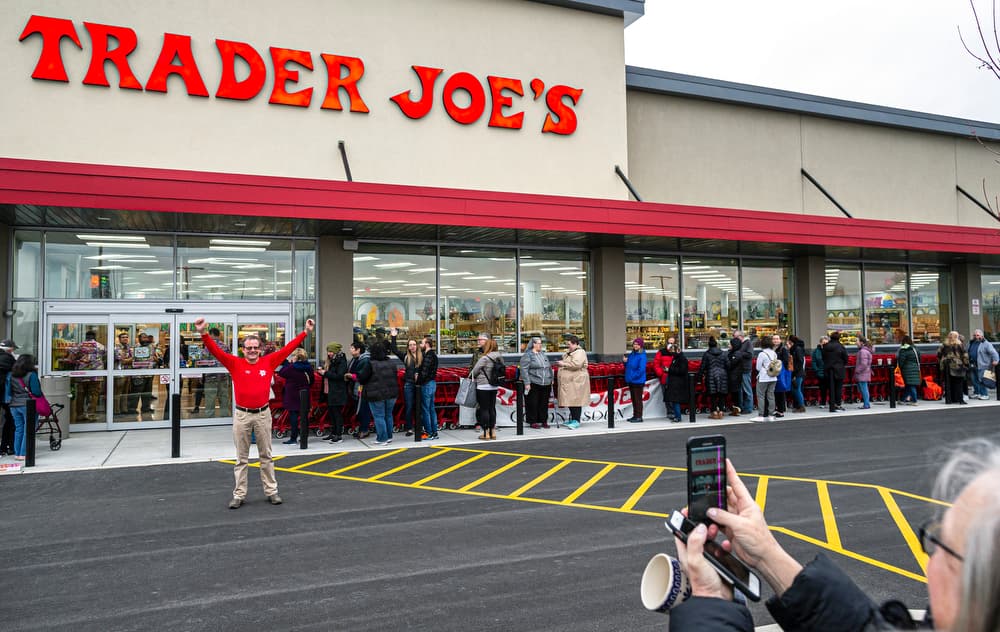
New oversized Trader Joe's opening draws crowds and staff questions
A social post captured crowds and surprise at an unusually large Trader Joe's grand opening, signaling potential impacts on crew staffing and store operations. Workers may face bigger crews and more complex scheduling.
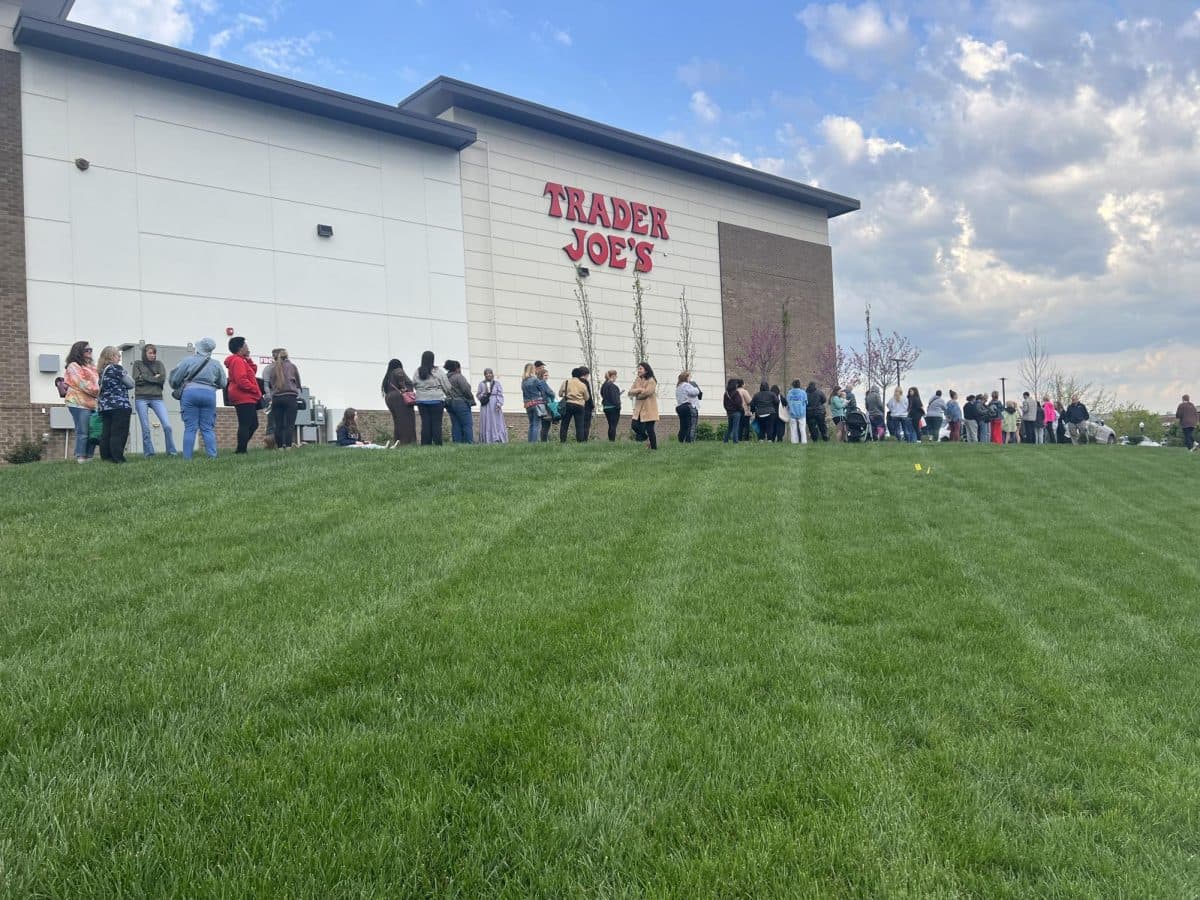
Shoppers and employees reacted quickly after a user shared on-the-ground impressions from a Trader Joe's grand opening, noting the location felt much larger than typical stores and drawing strong customer interest. The thread's immediate snapshots and replies highlighted how a bigger footprint can change day-to-day operations for crew members and managers.
The original post, titled "I'm at the 1959s grand opening TJs," generated a stream of comments comparing the layout and size to other Trader Joe's locations. Many commenters focused on aisle width, the number of registers, and the overall scale of the space, describing the site as noticeably roomier than the chain's usual neighborhood-format stores. Other users asked where the store was and traded comparisons to local footprints, signaling intense shopper curiosity and likely high early traffic.
Beyond consumer excitement, the thread included responses from people who identified as crew or insiders. Those replies raised operational questions that matter to workers: how many crew members will be scheduled, whether shifts will be lengthened to handle peak crowds, and how stocking and inventory flows will be managed in a larger selling area. A larger store footprint can require additional backroom space, more frequent restocking cycles, and shifts in how teams divide responsibilities between front-end service, floor merchandising, and perishables handling.
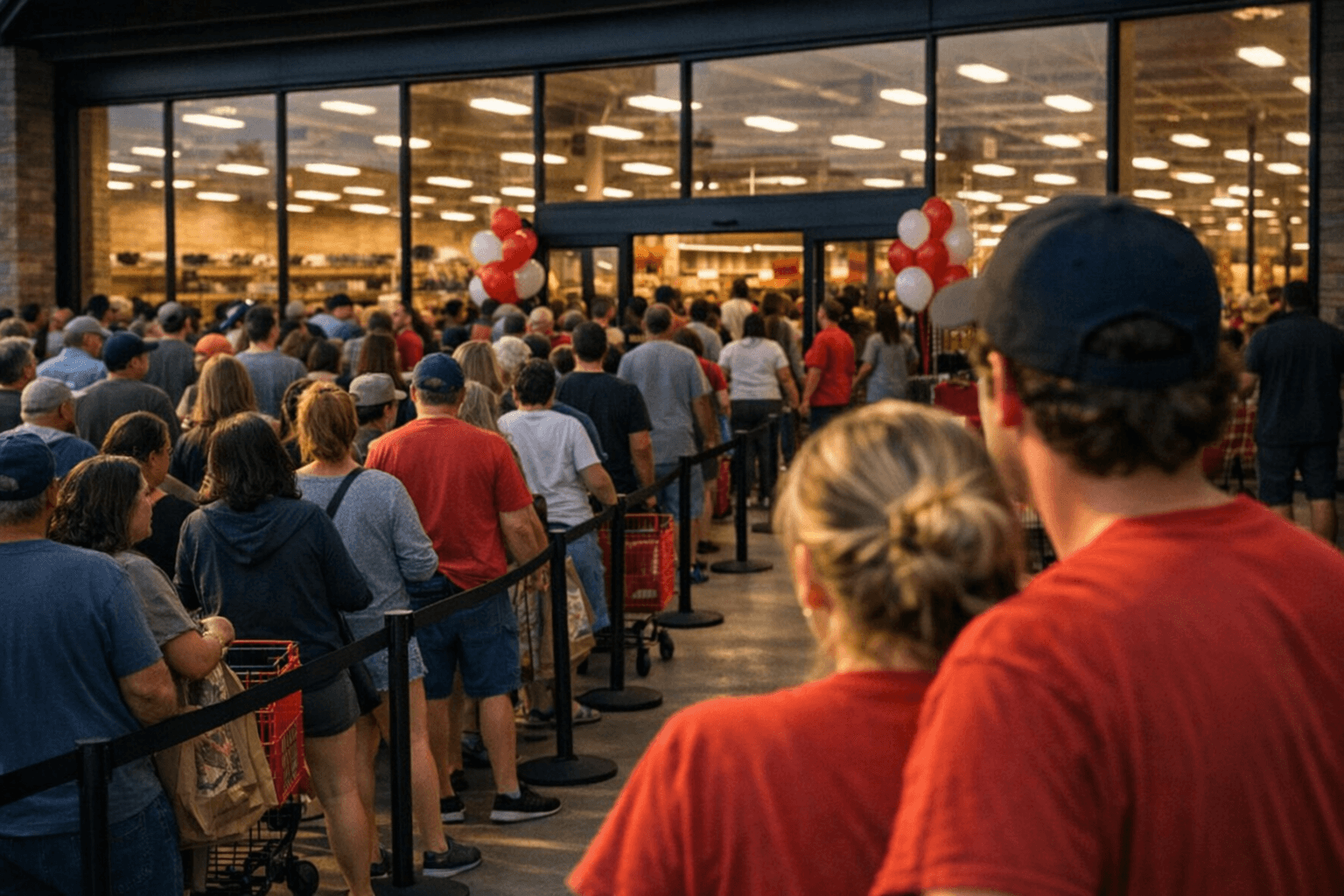
For crew members, a grand opening at a scaled-up location typically means a short-term surge in foot traffic and long lines, followed by an adjustment period as managers refine staffing and workflows. Larger stores often need a bigger permanent crew or more flexible scheduling to cover expanded hours, multiple registers, and higher customer volume during weekends and evenings. Training demands can also rise when new equipment, expanded product lines, or different layout conventions are introduced.
From a management perspective, a bigger Trader Joe's footprint may change inventory ordering patterns and storage logistics, increase reliance on cross-trained crew, and require tighter coordination between store leads and district management to balance labor costs with service levels. For shoppers, the payoffs can include a wider selection and improved navigation, but those gains depend on how quickly the crew stabilizes staffing and service routines.
This local reaction thread offers an early look at how one Trader Joe's opening could ripple through crew schedules and store operations. As the store moves past grand opening crowds, employees and managers will be watching hiring updates, shift patterns, and scheduling notes to see whether the larger footprint becomes a model for future openings or a one-off experiment in space and service.
Sources:
Know something we missed? Have a correction or additional information?
Submit a Tip