New safety concerns mount over unapproved weight loss drug retatrutide
Retatrutide is still in clinical trials, yet it is being sold online and pushed through a market with little guardrails. FDA says unapproved versions can skip safety, quality and storage checks.
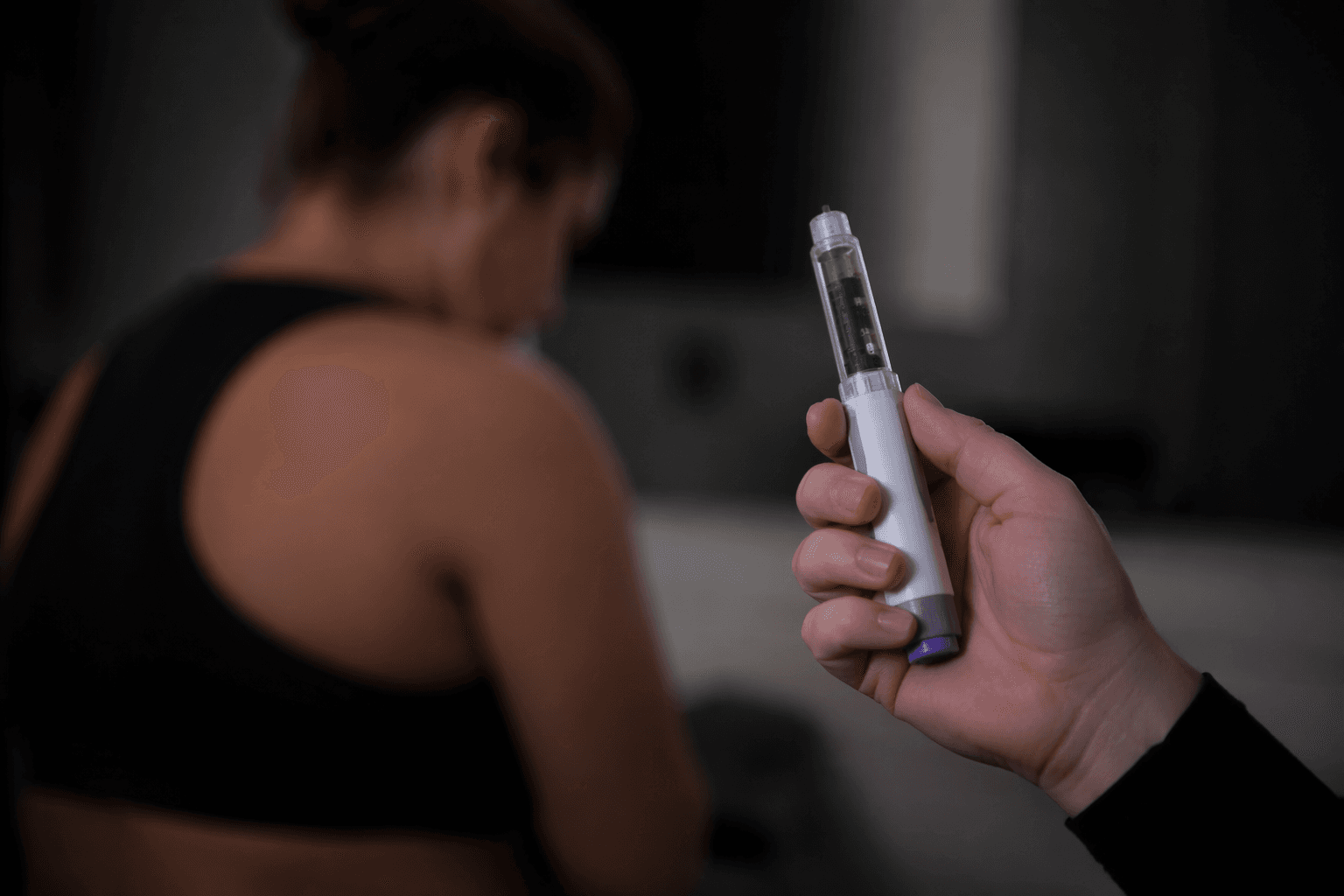
People are already getting retatrutide before the Food and Drug Administration has approved it, and that is the safety gap now drawing scrutiny. The investigational Eli Lilly injection, designed to hit GIP, GLP-1 and glucagon receptors, is still in clinical trials, but FDA says unapproved versions of GLP-1 drugs do not undergo review for safety, effectiveness or quality before they are marketed.
The demand is easy to see in Lilly’s own results. In a Phase 3 obesity study announced May 21, 2026, the highest dose of retatrutide helped patients lose 28.3% of their body weight, or 70.3 pounds, on average over 80 weeks. Roughly 45% of the 2,500 patients in that trial lost at least 30% of their body weight, and nausea and diarrhea were more common at higher doses. In a separate Phase 3 trial in adults with obesity and knee osteoarthritis, Lilly said on December 11, 2025, that 9 mg and 12 mg doses produced up to 28.7% average weight loss over 68 weeks and meaningful pain relief.
Those results have helped fuel a market that is already moving faster than the regulator. CBS News reported that retatrutide was being sold online even though it was not authorized outside clinical trials, a situation with no modern precedent. FDA has said it has issued warning letters to websites and sellers marketing retatrutide products as unapproved new drugs, and an FDA search shows warning letters in 2024 and 2025 tied to retatrutide sales claims.
The broader risk is not just unauthorized access, but unstable supply chains and weak oversight. FDA has warned that compounded GLP-1 drugs can arrive warm or with insufficient refrigeration, which can affect drug quality, and it has told patients not to use injectable GLP-1 drugs that arrive without proper cold storage. The agency has also used a green-list import alert, 66-80, to try to stop GLP-1 active ingredients with quality concerns from entering the United States supply chain.
Lilly says seven additional Phase 3 retatrutide trials were expected to finish in 2026, underscoring how much is still being studied even as the drug is already circulating in gray-market channels. The appeal is obvious, especially after CNBC reported that the highest-dose group reached weight-loss levels previously associated mainly with bariatric surgery. The hazard is just as clear: the drug’s full safety profile is still being defined, and patients who get it outside trials may be taking on unknown risks long before the FDA has signed off.
This article was produced by Prism’s automated news system from verified source data, official records, and press releases, then run through automated quality and moderation checks before publishing. The system is built and supervised by the people who set the standards it runs under. Read our full AI policy.
Know something we missed? Have a correction or additional information?
Submit a Tip