New SNAP rules expand work requirements and cut federal spending
SNAP is being squeezed from two directions: more adults face work rules, and 18 states can now bar some sugary foods. The result is a leaner safety net for low-income households.
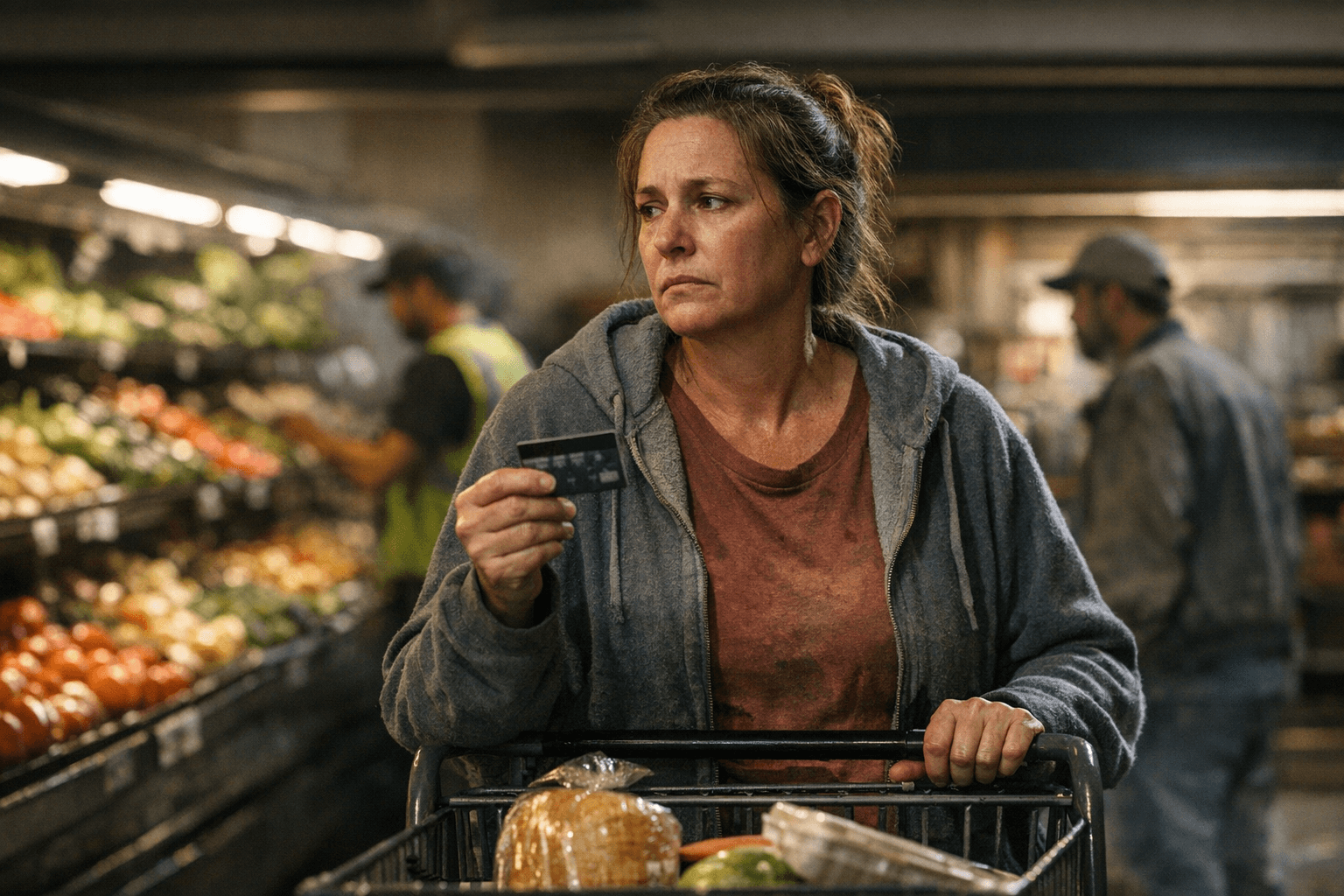
The new reality for a SNAP household
For a family already stretching every dollar, the changes land at the kitchen table, not in a policy memo. An adult up to age 64 can now be pulled into new work requirements at recertification, and in many states the grocery cart itself may shrink if soda, candy or other restricted items are no longer covered.
That combination matters because SNAP is supposed to soften hunger, not just manage it. The latest overhaul changes who can stay enrolled, how long people can remain eligible and, in some places, what they are allowed to buy with their benefits. Low-income households now have to navigate a program that is tighter on access and more conditional on behavior.
What Congress changed
The biggest shift came from the FY2025 budget reconciliation law, enacted on July 4, 2025. The Congressional Research Service says the law significantly changes SNAP benefits, administrative costs and work rules, and it is estimated to reduce federal SNAP spending.
The work-rule changes are especially consequential. USDA says it is still issuing guidance on the new requirements for able-bodied adults without dependents, or ABAWDs, which includes changes to exception criteria and waiver criteria. Reporting on implementation says the rules now reach adults up to age 64, and the standard being enforced is 80 hours a month of work, training or volunteer activity.
These requirements do not only hit new applicants. They also apply when someone newly joins SNAP or when a household comes up for recertification, which is the moment many families discover that a previously stable benefit is no longer guaranteed. The National Conference of State Legislatures says people newly subject to work requirements may begin to lose benefits, and USDA memorandums implementing the changes were reported to take effect in November 2025.
The scope is large enough to shift the program’s national footprint. Analysts cited from the Congressional Budget Office estimated that the work-requirement changes will reduce SNAP participation by 2.4 million people per month on average over the next 10 years. That is not a small administrative trim. It is a meaningful reduction in the number of people able to rely on the program at all.
How the administration is reshaping what SNAP covers
Congress set the floor for change, but regulators have been changing the grocery aisle too. The Trump administration has pushed states to use SNAP waivers to limit purchases of soda, candy and other ultra-processed foods, framing the effort as part of Health and Human Services Secretary Robert F. Kennedy Jr.’s “Make America Healthy Again” agenda.
On August 4, 2025, Agriculture Secretary Brooke L. Rollins signed six new state waivers at an event in Washington, D.C. that also featured Kennedy, FDA Commissioner Marty Makary, and governors Kim Reynolds of Iowa and Patrick Morrisey of West Virginia. According to reporting, the six states added at that point were Colorado, Florida, Louisiana, Oklahoma, Texas and West Virginia.

Those were added to earlier approvals for Arkansas, Idaho, Indiana, Iowa, Nebraska and Utah. By December 2025, reporting said 18 states had been allowed to adopt some form of restriction on what SNAP recipients can buy, and more states were still moving toward soda and candy bans.
This is a major shift in practice because SNAP has long functioned as an income-support program with broad food choice. The new waivers narrow that choice in the name of nutrition policy. Supporters argue that this is a way to modernize the program and align public dollars with healthier diets. Critics see a different message: that low-income households are being told to prove their worthiness twice, first by work rules and then by a narrowed shopping list.
Who is most affected
The people most exposed to these changes are adults with unstable work schedules, limited transportation and thin household budgets. That includes ABAWDs who may have to document hours of work, training or volunteering, as well as people who are newly applying or facing recertification after their situation changes.
The benefit restrictions also fall unevenly. Households in waiver states can face different purchasing rules depending on where they live, which means a family’s SNAP dollars can buy different baskets of food across state lines. That creates a program shaped less by need than by geography, with state decisions now affecting what low-income parents can actually put in the cart.
Retailers and state agencies are caught in the middle as well. Grocers have to adjust systems for eligibility and item restrictions, while states must interpret shifting federal guidance and administer new rules. The result is more complexity in a program that already serves millions of people who often have the least time and resources to navigate paperwork, deadlines and changing eligibility standards.
Why advocates say the stakes are bigger than the grocery aisle
Anti-hunger advocates and health-policy scholars say the changes are not just technical adjustments. A JAMA Health Forum piece described the 2025 law’s structural changes as historic and warned they may have generational consequences for beneficiaries. The Center on Budget and Policy Priorities said the administration’s actions follow what it called the largest SNAP cut in history and warned that the waiver push could harm participants.
Their concern is not only about calories or budgets. It is about the role SNAP plays in reducing food insecurity, protecting children and stabilizing households during periods of low wages, illness or job loss. When work rules become broader and food rules become narrower at the same time, the safety net becomes harder to access and less flexible once people are in it.
The administration has argued the opposite, saying it is modernizing SNAP to better serve health goals, steward taxpayer money and encourage healthier diets. But the cumulative effect is clear: Congress cut and tightened the program, USDA is still writing the guidance that will enforce the new work rules, and state waivers are now rewriting what the benefit can buy. For millions of households, SNAP is no longer just a lifeline. It is a more conditional one, and the consequences will be measured in skipped meals, reworked budgets and benefits lost at the worst possible moment.
This article was produced by Prism’s automated news system from verified source data, official records, and press releases, then run through automated quality and moderation checks before publishing. The system is built and supervised by the people who set the standards it runs under. Read our full AI policy.
Did this article answer your question?