New study finds neuron migration damages DNA in developing brain
New research suggests neuron migration itself can fracture DNA as cells squeeze through tight brain tissue, then repair most breaks within 24 hours.
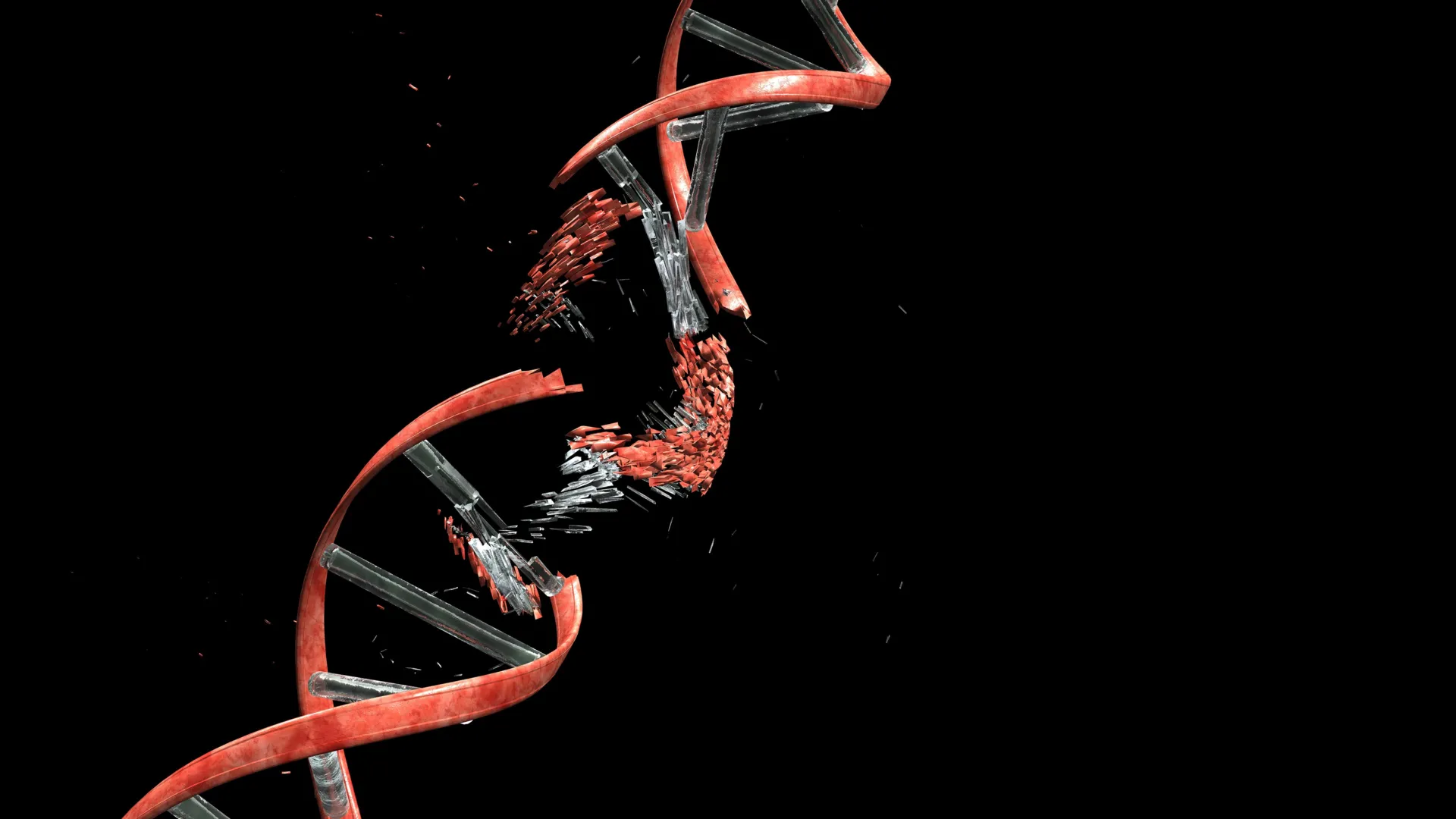
New work suggests the developing brain may pay a molecular price every time a newborn neuron squeezes through crowded tissue to reach its final home. In a study published in Nature on June 17, 2026, researchers led by Mineko Kengaku and collaborators found that migration in the developing cerebral and cerebellar cortices was accompanied by massive DNA double-strand breaks driven by mechanostress as cells passed through narrow interstitial spaces.
The team, which included scientists from Kyoto University, the University of Tokyo, Nagoya University, Kindai University, the University of Osaka, Tokyo University of Science and the Mechanobiology Institute at the National University of Singapore, recreated that journey by guiding neurons through microchannels designed to mimic the tight spaces inside developing brain tissue. Fluorescent markers showed DNA breaks forming as the cells moved through the channels and then disappearing after they reached the other side. The striking implication is that some DNA damage may be a routine part of building brain circuitry, not simply a sign that development has gone wrong.

The breaks were detected without visible nuclear-envelope rupture, distinguishing the process from what is often seen in migrating cancer cells. Genome sequencing showed that the lesions tended to occur in transcriptionally inactive regions, and the damaged DNA was repaired through non-homologous end-joining during brain development without causing cell death. The institutional summary said most breaks were repaired within 24 hours and left no lasting functional effects in the cells studied.
That repair system mattered. When the researchers deleted ligase IV at the onset of neuronal migration, double-strand breaks accumulated in cerebellar neurons and were tied to moderate transcriptional changes in genes involved in synaptic function, neuronal development, stress responses and immune responses. In mice, blocking repair did not prevent normal development, but the animals later developed mild, progressive balance difficulties from early adulthood.
The findings give a new framework for thinking about how the brain is built. Instead of treating DNA damage in young neurons only as a hazard to be avoided, the study points to a developmentally normal stress that cells must manage as they wire the cortex. That could help explain why some neurons are more vulnerable than others and why human genome-instability syndromes affecting the cerebellum may leave lasting effects that emerge long after early brain development is complete.
This article was produced by Prism’s automated news system from verified source data, official records, and press releases, then run through automated quality and moderation checks before publishing. The system is built and supervised by the people who set the standards it runs under. Read our full AI policy.
Did this article answer your question?