New U.S. Wildland Fire Service Chief Pledges More Aircraft, Faster Response
The new federal wildfire service says it will add aircraft early, but drought, heat and fragmentation are already testing whether the system is truly ready.
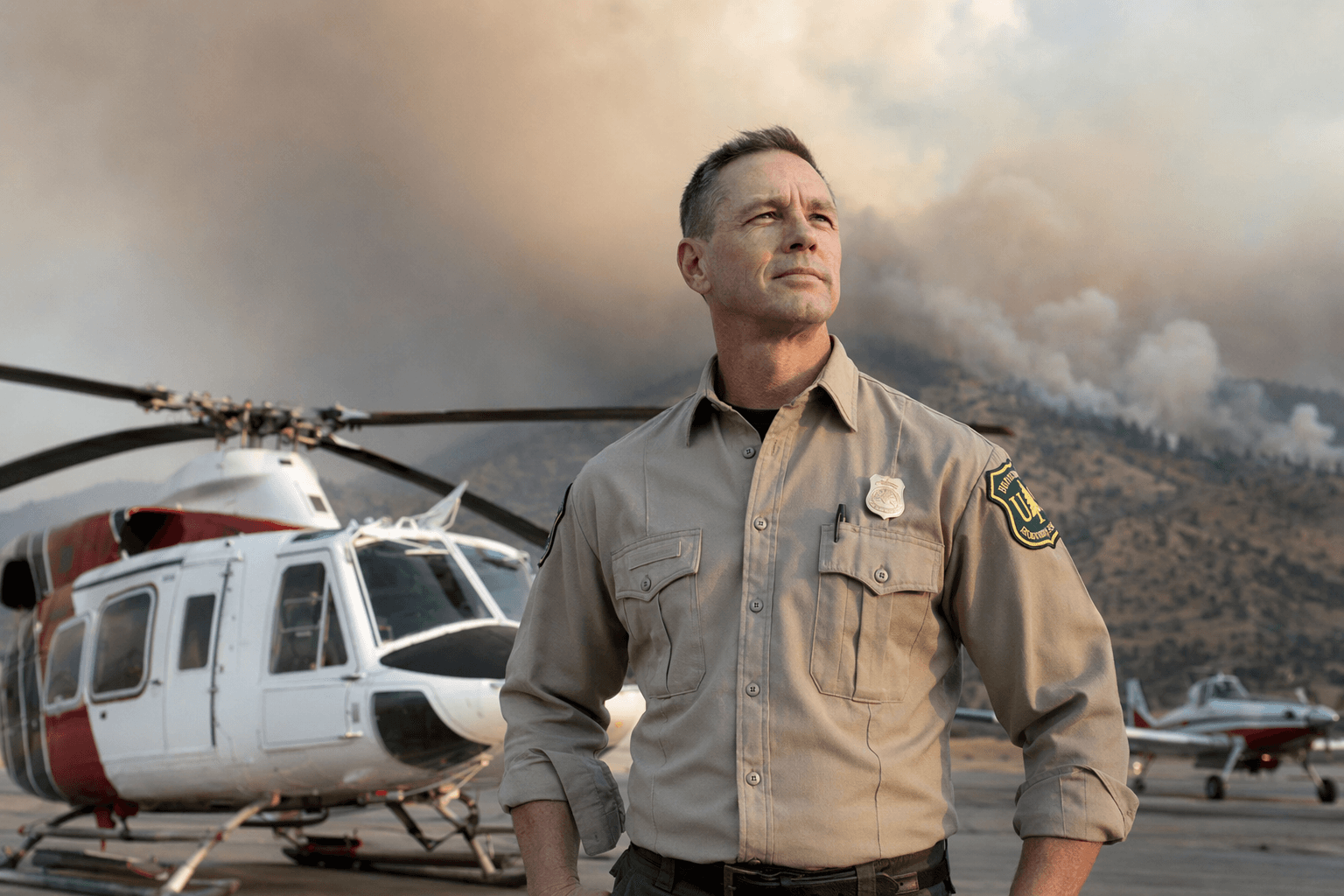
The new U.S. Wildland Fire Service is promising more aircraft before flames surge, but its real test is whether crews, planes and coordination are in place before the West dries out further.
Brian Fennessy, the new head of the service, said the agency is “trying to bring on additional aircraft and bring them on early,” a signal that federal managers want to get ahead of the season rather than scramble once fires explode. The service sits inside the U.S. Department of the Interior, not as a standalone Cabinet agency, and Interior says it was established in January 2026 as part of a historic modernization of federal wildfire management.
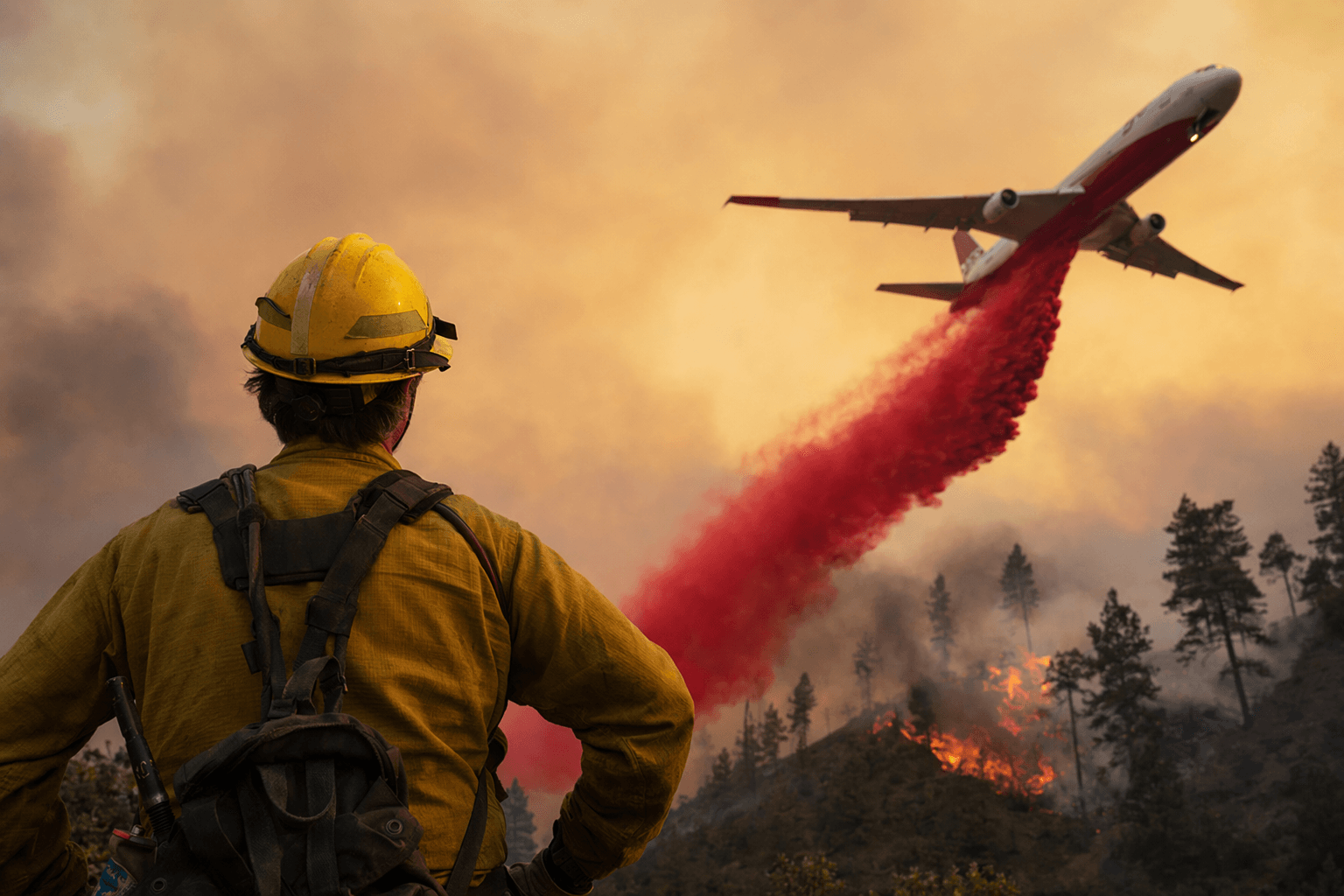
Interior announced on January 12 that it was taking the next step to establish the service, which consolidates wildland-fire programs across the Bureau of Indian Affairs, Bureau of Land Management, National Park Service, Office of Aviation Services, Office of Wildland Fire and U.S. Fish and Wildlife Service. The department says the goal is a more integrated, cost-efficient and operationally effective federal response that better protects lives, communities, critical infrastructure and public and tribal lands.
The policy push began months earlier. On September 15, 2025, Interior and Agriculture outlined a plan to modernize wildfire response nationwide, citing fragmented systems that had slowed federal action. The FY 2026 Interior budget says the new service is meant to unify federal wildland fire resources and operations, a structural fix aimed at response needs, safety objectives and risk reduction.
That overhaul is being launched into a difficult spring. NOAA’s spring 2026 outlook forecast worsening or developing drought in many parts of the West and south-central Plains, along with above-normal temperatures across most of the United States. The National Interagency Fire Center says its significant wildland fire potential outlook is a four-month decision-support tool for fire managers, meant to identify where fire risk is above, below or near normal as weather and fuels change.
The fire season is already showing strain. AccuWeather projected 65,000 to 80,000 wildfires and 5.5 million to 8 million acres burned nationwide in 2026, compared with 77,850 wildfires in 2025 and a historical average of 68,707. As snowpack and fuel moisture lag normal levels in parts of the West, early-season activity is arriving before the new federal structure has had time to prove itself.
Fennessy’s aircraft pledge and the department’s promise of consolidation now meet the same test: whether federal wildfire management can deliver more speed, more pre-positioned resources and more prevention before the next ignition becomes a disaster.
This article was produced by Prism’s automated news system from verified source data, official records, and press releases, then run through automated quality and moderation checks before publishing. The system is built and supervised by the people who set the standards it runs under. Read our full AI policy.
Did this article answer your question?