New World Cup rules spark confusion, and quick VAR reversals
A Tim Ream caution disappeared in seconds, but the deeper fight was over whether the new World Cup rulebook made decisions clearer or just harder to decode.
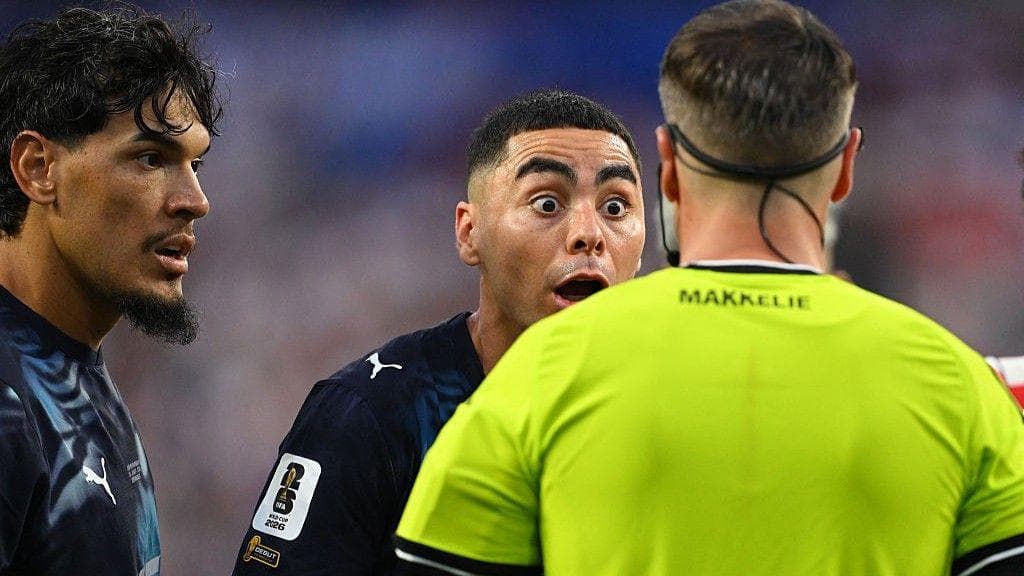
A yellow card vanished and a dive booking appeared in the United States-Paraguay match, but the bigger question was not who was punished. It was whether the 2026 World Cup’s new rulebook is making officiating cleaner on the field while making the logic harder for fans, players and broadcasters to follow.
The International Football Association Board approved the overhaul at its 140th Annual General Meeting in Hensol, Wales, on February 28, 2026, and the tournament in the United States, Mexico and Canada became the first major event to use it. FIFA chief refereeing officer Pierluigi Collina said the amendments were meant to tackle discrimination, cut time-wasting, increase match tempo and improve the player and fan experience.
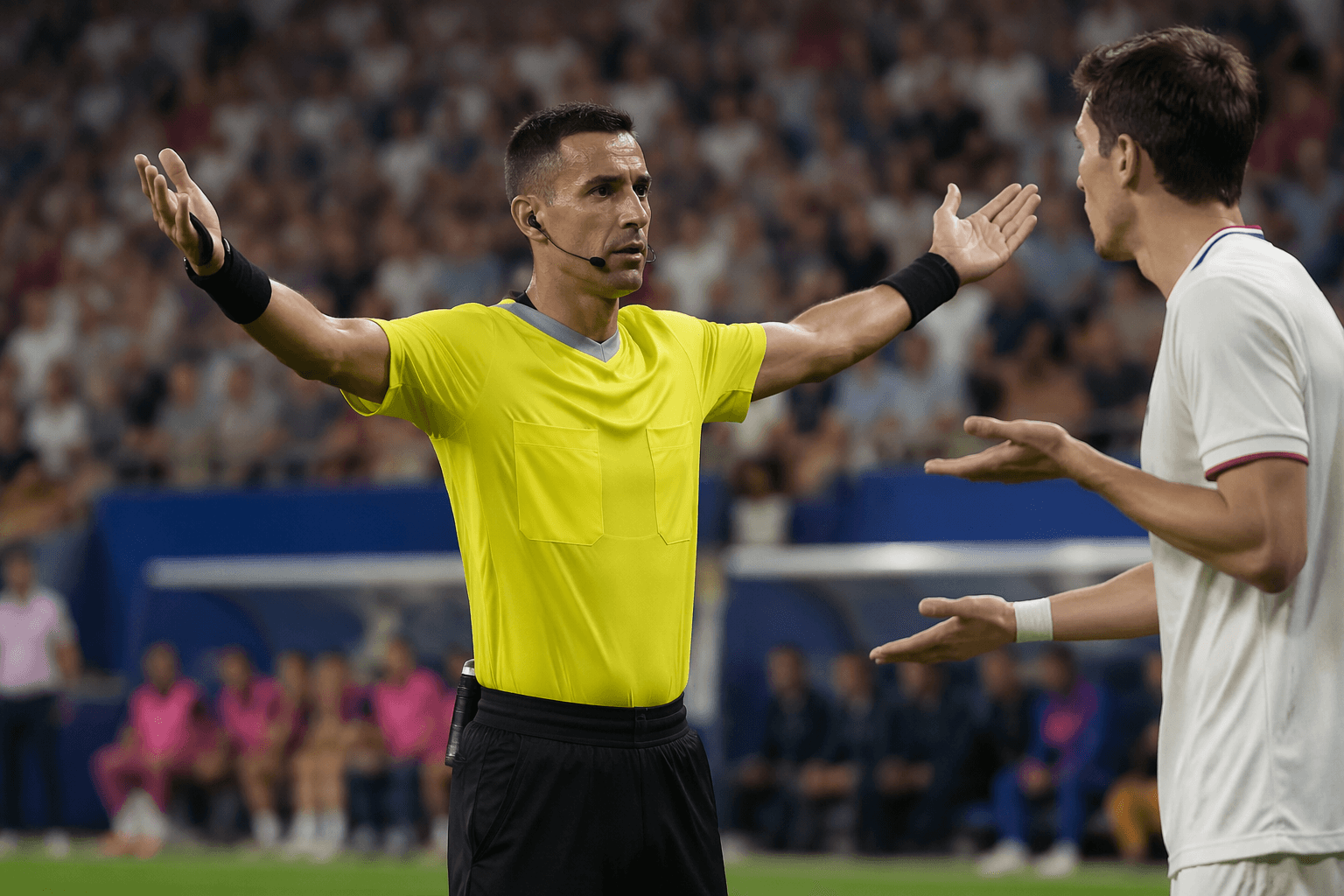
The package gave VAR broader reach, including the power to correct mistaken identity, fix a wrong second yellow that turns into a red card and overturn some incorrectly awarded corner kicks if the mistake is caught quickly enough. The Ream-Almiron sequence showed how narrow that authority can still be. Dutch referee Danny Makkelie sent the incident to the pitchside monitor after Paraguay’s Miguel Almiron went down, then reversed the caution on U.S. captain Tim Ream and instead booked Almiron for diving.
That outcome looked straightforward to many viewers, and BBC commentator Danny Murphy praised it as the right call and said rules that punish diving are a good thing. But BBC Sport reported that IFAB’s mistaken-identity wording applies only when a referee has clearly penalized the wrong player in a specific incident, and that the offence itself cannot be reviewed. In other words, a decision can feel intuitively correct and still sit outside the rule that was actually written. Well-placed sources told BBC Sport that Makkelie’s decision was wrong, and FIFA had not immediately clarified the situation.
The timing makes the confusion more consequential. The World Cup opened with four matches, three opening ceremonies, wins for two host nations and a draw for the third host nation, then moved into eleven straight days with four matches followed by three days with six. With that volume of games, the tournament is forcing everyone to learn the new laws at speed. The real test now is not simply whether VAR can find the right answer, but whether the new system can explain itself well enough to keep its legitimacy intact.
This article was produced by Prism’s automated news system from verified source data, official records, and press releases, then run through automated quality and moderation checks before publishing. The system is built and supervised by the people who set the standards it runs under. Read our full AI policy.
Know something we missed? Have a correction or additional information?
Submit a Tip