New World screwworm confirmed in Texas cattle, New Mexico dog
Screwworm has reappeared in Texas cattle and a New Mexico dog, forcing federal officials to race to contain a parasite that eats living flesh.
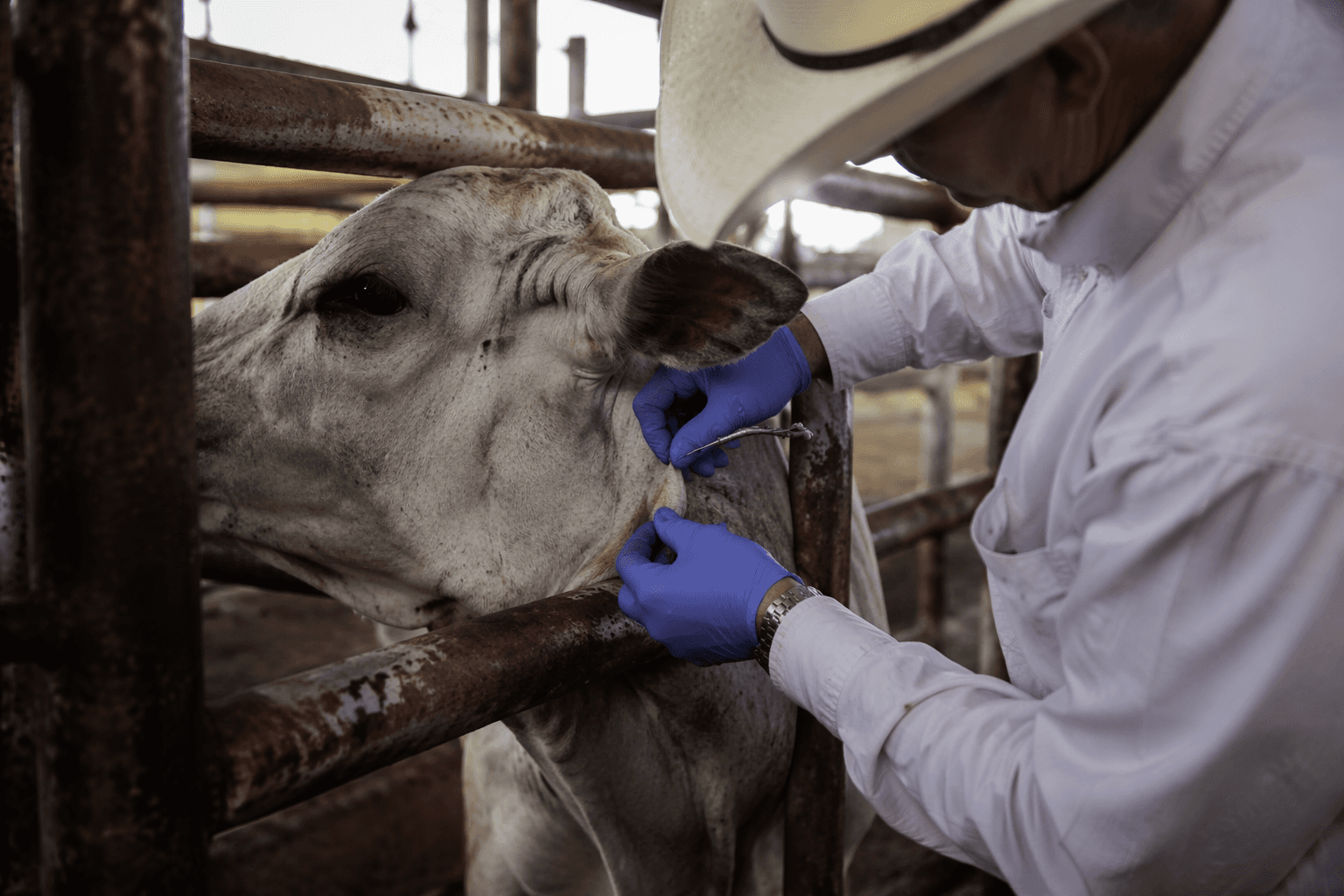
A flesh-eating parasite that had been eliminated from the United States for decades has turned up again in Texas cattle and a dog in New Mexico, putting livestock, pets and nearby food-supply networks under fresh pressure. Federal officials have confirmed five U.S. detections in less than a week, a rapid spread that is testing how fast agencies can locate, quarantine and suppress the insect before it gains a wider foothold.
The first U.S. case was confirmed June 3 in a 3-week-old calf in Zavala County, Texas, after larvae were found in the animal’s umbilical area. A second case followed June 5 in another calf in Zavala County, about 5.6 miles from the first detection. On June 8, officials confirmed two more cases: a calf in La Salle County, Texas, and a dog in Andrews County, Texas. USDA later reclassified the dog as New Mexico’s first confirmed case, and said the animal had not traveled to Mexico or Texas, prompting investigators to examine the property where it lived.
USDA says New World screwworm can infect livestock, pets, wildlife and, less commonly, people and birds. The larvae burrow into the flesh of living animals, causing serious damage and economic losses. In response, USDA says it is working through a national One Health effort with state partners on surveillance, reporting and control, while continuing to disperse 100 million sterile insects per week in Mexico and along the U.S.-Mexico border. The federal coordination effort is being led through the U.S. One Health Coordination Unit-New World Screwworm Interagency Working Group, co-led by USDA, the Centers for Disease Control and Prevention and the Department of the Interior.
The outbreak has also revived a long-running agricultural threat that once spread across the South. USDA says the pest has been present in the United States since at least 1842 and became a major problem in the Southeast in 1933 before eradication was completed in 1966 through the sterile insect technique pioneered by Edward F. Knipling. The agency estimates the eradication program benefits the U.S. livestock industry by more than $900 million a year, a figure that underscores what is at stake if the fly regains ground.
The response now extends beyond Texas. USDA has opened or operates sterile-fly dispersal facilities in Mexico, including a site in Tampico, and says its Tuxtla facility can release up to 100 million sterile flies per week. Ranchers and industry observers say the detections are already affecting livestock markets and movement, and the tightening border response has left some West Texas operations empty. The next phase will hinge on whether surveillance, treatment and containment move faster than the parasite does.
This article was produced by Prism’s automated news system from verified source data, official records, and press releases, then run through automated quality and moderation checks before publishing. The system is built and supervised by the people who set the standards it runs under. Read our full AI policy.
Know something we missed? Have a correction or additional information?
Submit a Tip

